






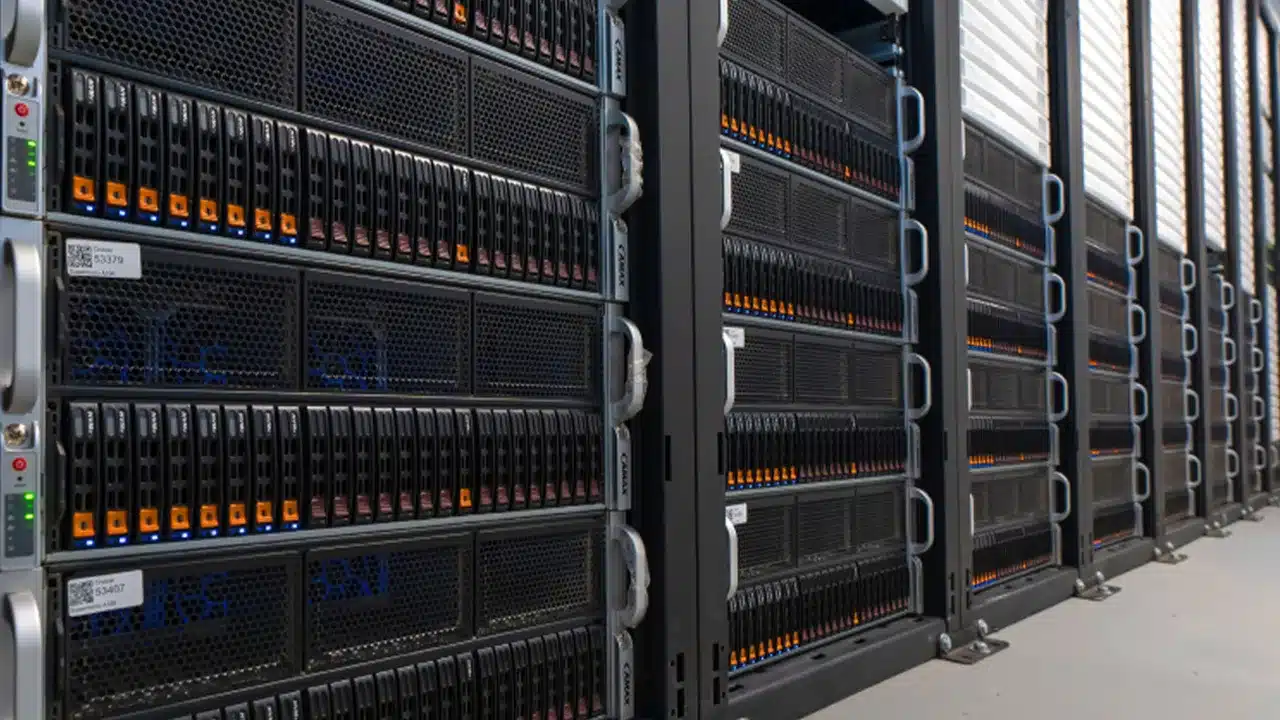
Recent lease filings across major markets reveal a clear pattern: new AI-focused infrastructure is being secured at scale. These agreements show that operators are moving quickly to lock in capacity before demand tightens further. The expansion of US data centers is no longer just about storage and compute; it is increasingly tied to concentrated AI workloads. As a result, leasing activity has become an early indicator of where the next generation of AI clusters will emerge.
US Data Centers Anchor the Next Wave of AI Infrastructure
These filings show a move from spread-out deployments to concentrated compute hubs. AI workloads need dense setups of GPUs, networking, and power, which work best in clusters. This is leading operators to secure larger connected spaces rather than smaller, separate sites.
The increase in hyperscale leases underscores the need for larger, more integrated setups. These deals often cover whole facilities or campuses built for high-performance computing. By securing space early, companies can set up their infrastructure without delays.
Power availability is a major factor in choosing sites. AI clusters consume much more energy than traditional workloads, so reliable, scalable power is essential.
From Empty Land to AI Powerhouses
Many new leases are for undeveloped or newly expanded sites. Developers are preparing land for high-density data centers, enabling custom layouts that meet advanced cooling and networking requirements.
The rise in hyperscale leases is turning these sites into long-term infrastructure hubs. Operators are signing multi-year deals that support big investments, creating stability for both developers and tenants.
These projects also draw in supporting industries, equipment suppliers, construction companies, and energy providers, all of which help build these clusters. Over time, this forms a local ecosystem around each site.
Geography Becomes Strategy in Cluster Formation
Getting a lease is just the first step in building an AI cluster. Operators also need to invest in specialized infrastructure, such as high-capacity networking, advanced cooling, and backup power supplies.
Cooling is now a key concern. AI workloads generate significant heat, so more efficient cooling solutions are needed. Liquid cooling and other advanced methods are becoming more common.
Network connectivity is also crucial. AI clusters depend on fast data transfer between nodes, which requires strong fiber connections and low-latency networks.
Supply Constraints Shape Leasing Behavior
Rising demand for data center space is causing supply shortages. Space is key. Scratched-up space in key markets is becoming scarce, so companies are securing leases earlier in the development process.
Pre-leasing is now common. Operators commit to space before construction finishes to make sure it will be available, reducing the risk of delays when they are ready to deploy infrastructure.
These supply limits also affect pricing and contract terms. As demand rises, landlords have greater negotiating power, potentially leading to higher costs for tenants.
Strategic Implications for Enterprises and Providers
The growth of AI clusters is changing how companies plan their infrastructure. They now have to think about capacity, location, and scalability, which calls for a more strategic approach to leasing.
Providers are responding with more flexible options. Some are building modular facilities that can expand over time, letting tenants grow their operations as demand increases.
The growth of US data centers also affects competition. Companies that secure the best locations early get an edge, allowing them to set up infrastructure faster and run more efficiently.
Risk And Opportunity In Early Cluster Positioning
Getting in early on new clusters offers big opportunities. Companies can secure essential resources like power, connectivity, and space before they become scarce.
However, early commitments come with risks. Market conditions can shift, changing demand and prices. Companies need to weigh the benefits of early access against the risk of over-investing.
Building clusters also means working with local stakeholders. Communities need to support the infrastructure for large data centers, including handling environmental and regulatory issues.
What Comes Next for AI Infrastructure Expansion?
The current surge in leasing is likely to keep going as AI adoption increases. New clusters will appear in both established and new markets, further changing the data center landscape.
New technology will also shape future developments. Better hardware and cooling systems may change how clusters are built, leading to more efficient and compact facilities.
Collaboration across the industry will be key. Developers, operators, and governments need to work together to address shared challenges, such as supporting sustainable growth and reliable infrastructure.
Final Perspective on AI Cluster Growth
Lease Activity as a Leading Signal
These filings offer useful insight into future infrastructure trends. They show where companies are investing and how they plan to grow, making them a key sign of where the industry is headed.
Building Clusters that Last
Successful AI clusters need more than just space. They rely on power, connectivity, and skilled workers. Long-term planning is crucial for steady growth.
Securing Advantage Through Early Moves
Companies that move early can secure key resources and build a strong position, laying the groundwork for future growth. The ongoing expansion of US data centers will be central to shaping the AI landscape.
Source: Insights & Research








