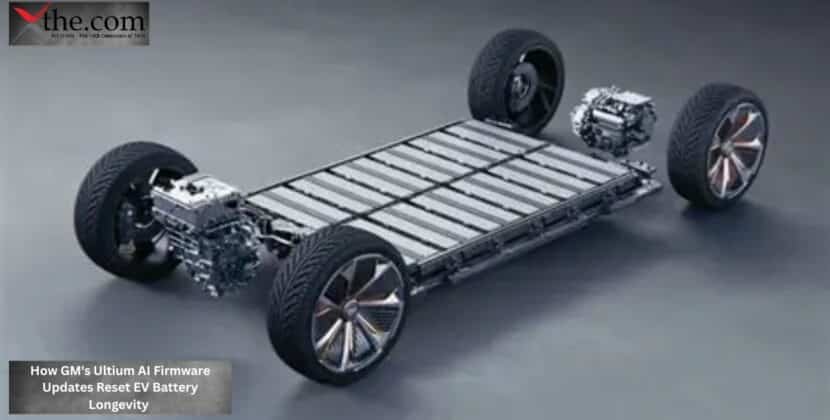






Detroit, Mich. Replacing the battery in a modern electric truck can cost more than buying a small gasoline car. This high price is why automakers now see software as just as important as the vehicle’s hardware. For electric pickup and SUV owners, the main concern has shifted from range to battery wear. They want to know how much battery capacity will be lost after 100,000 miles, frequent fast charging, and years of hot weather.
This concern is at the heart of General Motors (GM)’s new software approach for its GM Ultium vehicles. GM is moving away from fixed factory settings and toward adaptive firmware that learns from how drivers use their vehicles, how they charge, and the conditions they drive in. This shift could change how people view EV battery life and the long-term costs of owning an electric vehicle.
Why GM Ultium Depends on Software More Than Hardware
Electric vehicle batteries usually do not fail suddenly. Instead, they wear unevenly. One part might overheat from frequent fast charging; another could break down more quickly after months in hot climates; and a third could develop voltage problems after heavy towing.
Traditional battery designs use fixed safety limits to avoid major damage. The problem is that this approach wastes potential performance since the system cannot adjust as conditions change.
This is where the battery management system stands out. On GM’s Ultium platform, firmware updates now serve as real-time adjustments rather than just bug fixes. Engineers can change charging patterns, temperature limits, and how regenerative braking works, all without touching the hardware.
The competitive pressure is evident. Tesla established the blueprint years ago by improving range and capacity through wireless updates. The ongoing Tesla rivalry now goes beyond vehicle acceleration and charging systems to predictive battery intelligence.
GM’s new solution uses AI-powered calibration to protect battery health over time while still meeting performance goals for large EVs like the Chevrolet Silverado EV and GMC Hummer EV.
The Expanding Role Of the Battery Management System
Today’s battery management system does more than just monitor the battery. It works like an operating system that controls how energy moves through the vehicle.
A large EV battery pack contains thousands of lithium-ion cells that must be kept balanced in terms of temperature and voltage. Even small differences can lead to bigger problems over time. If one part of the battery often runs hotter than the rest, the whole pack can wear out unevenly. This imbalance can cut down the usable range long before the battery’s expected lifespan is reached.
GM engineers now use machine learning to spot these issues early rather than waiting for the battery to lose performance. The hardware changes charging habits on the fly.
This is where predictive maintenance matters for business. If a vehicle can spot future stress, it can lower charging intensity before any real damage happens. For fleets, delivery services, and rideshare companies, this could mean their vehicles last several years longer.
Picture two identical electric vehicles. One often fast-charges after towing heavy loads in the heat of Arizona, while the other charges overnight in milder weather. Older systems treat both trucks the same. AI-driven systems, however, adjust battery protection based on each truck’s real-world use.
This kind of personalized battery care could be a major selling point for General Motors (GM) in the coming years.
How AI Changes EV Battery Life
Battery wear accelerates over time due to small, repeated damage. High temperatures, frequent fast charging, and unstable voltage slowly damage the battery’s chemistry.
GM’s software aims to spot these hidden patterns before they get worse. With AI energy recovery and smart firmware, the vehicle can spread electrical loads more widely during braking and acceleration.
For example, traditional regenerative braking attempts to capture as much energy as possible. However, AI systems can balance energy recovery with heat management. This small change might give up a bit of short-term efficiency, but it helps keep the battery stable for longer.
Across the industry, battery life is becoming the next big battleground. Most buyers now trust that EVs are quick and have enough range. What they are unsure about is how much the car will be worth after eight or ten years.
This uncertainty is why AI-driven chemical balancing in US-made electric vehicle batteries is becoming more important. Instead of letting battery cells become uneven over time, advanced firmware works to keep their performance balanced. This helps prevent weak cells, a major cause of battery capacity loss over time.
The term AI-driven chemical balancing might sound complex, but its real benefit is simple: fewer costly battery replacements and more predictable costs for owners.
The Business Stakes Behind the Tesla Rivalry
The Tesla rivalry is about more than just market share. Investors now judge automakers by their software skills, ongoing service income, and how well they use data.
Tesla showed that over-the-air updates can boost customer satisfaction even years after a car is sold. GM now seems set to bring this kind of flexibility to its Ultium vehicles, leveraging its large manufacturing base.
The financial impact is big. Batteries that last longer mean automakers face fewer warranty claims. They also help boost lease and resale values. If firmware alone can improve EV battery life by ten to fifteen percent, it could save the industry billions.
This shift also changes how dealerships work with customers. Instead of mostly depending on in-person service, automakers can now send battery updates remotely. In the future, updates might include better predictive maintenance tools for fleets, insurance companies, or subscription services.
This change makes cars more like smartphones, where software keeps improving long after you buy the product.
Why Firmware May Matter More Than Future Battery Chemistry
New battery technology often makes headlines, and solid-state prototypes are popular at conferences. Still, many engineers believe that improving software could deliver real-world benefits faster than pursuing new battery chemistry.
That’s why GM keeps investing in AI-powered battery analytics. Current lithium-ion batteries still have significant room for improvement in efficiency and durability.
The future will likely favor automakers who can blend strong hardware with smart software. In this setting, the battery management system is not just for safety. It becomes the key to earning customer trust.
Drivers may never notice the firmware running behind the scenes, but they will see the difference when their five-year-old EV still has a better range than expected. The next stage of the EV market will not be shaped just in factories, but by the algorithms that manage every charge, temperature change, and energy use throughout the life of the car.
Source: GM-UMTRI study confirms advanced safety technologies reduce crashes and injuries