






Las Vegas, Nev. More than 65% of commercial freight operators in long-haul logistics are holding off on fleet-on-fleet electrification because they are unsure if the grid can handle the extra demand. This uncertainty is a major obstacle to updating transport operations and keeps older diesel fleets running even with strict regulations in place. The impact of megawatt-class charging on US industrial power procurement outlines the fundamental shifts required to support the adoption of heavy-duty electric vehicles. The recent order for Tesla semis is a key moment for the industry, prompting utilities and logistics companies to reconsider their power infrastructure from the ground up.
The Electrification Milestone for The Tesla Semi
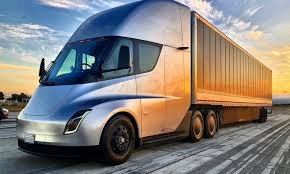
Rolling out a Class 8 electric vehicle fleet changes the financial picture for long-haul logistics. In the past, companies were reluctant to shift from diesel due to concerns about range and slow charging. WattEv’s recent order of the Tesla Semi shows that the industry is now ready to make this shift on a large scale. The order includes 370 trucks, with over 300 set to operate near the Port of Oakland.
With megawatt charging, operators can cut downtime by a large margin. A Tesla Semi can recharge up to 60% of its battery in just 30 minutes. This fast charging helps logistics companies meet tight schedules and avoid the long waits associated with slower charging methods.
The Infrastructure Bottleneck and the Grid
To scale up this technology, local electrical grids need major upgrades. Industrial sites can’t run multiple heavy-duty chargers without investing in dedicated substations. Utilities also have to adjust to the sudden increases in demand as more fleets switch to Class 8 electric trucks.
Installing MCS chargers at freight depots sets out a new standard for high-power commercial transport. When companies use multiple chargers simultaneously, the total power demand quickly reaches megawatt levels. Upgrading these sites requires close teamwork among transport operators and local utility companies. The Port of Oakland is now a real-world test site for meeting these high-power needs without straining the local grid.
Rethinking Energy Procurement Strategies
Now, logistics companies need to invest directly in energy generation and storage. Buying trucks is no longer separate from managing their power supply. WattEV uses a model that combines vehicle leasing with the construction of megawatt-scale charging infrastructure.
This approach lowers capital risk for fleet operators. It moves the responsibility of building infrastructure from individual carriers to dedicated service providers. Using MCS chargers also means trucks spend more time driving and less time charging.
But as zero-emission fleets grow quickly, the utility chain comes under pressure. Local power companies now have to plan a new transformer upgrades and more distribution lines. Industrial electricity buyers need to secure long-term contracts for stable prices and avoid peak-hour surcharges that could offset the savings from switching to electric vehicles.
Long-Term Financial Consequences
Modern freight transport depends on predictable energy costs. Moving from diesel to electric power lowers operating costs over a vehicle’s life. However, the initial cost of installing a high-power electric grid remains high.
One megawatt charging cabinet can cost several hundred thousand dollars. This means businesses have to rethink their capital spending. The shift to electric trucks also means logistics companies need to act as energy managers, keeping a close eye on electricity use and charging schedules for batteries.
Regulators are also changing to help with this transition. Alliances between public and private groups are accelerating the installation of high-power infrastructure at major freight hubs. California’s success offers a clear example for the rest of the country, showing how to grow sustainable freight operations without closing economic efficiencies.
The Future Of Freight Corridors
Switching to zero-emission freight is a lasting change in how industrial operations use electricity. In the future, networks will depend on connected heavy-duty vehicles with high-power delivery systems. Companies that update their energy strategies now will save money in the next decade. Soon, freight corridors will be entirely changed by clean energy and advanced charging systems.
Source: Tesla Blog