






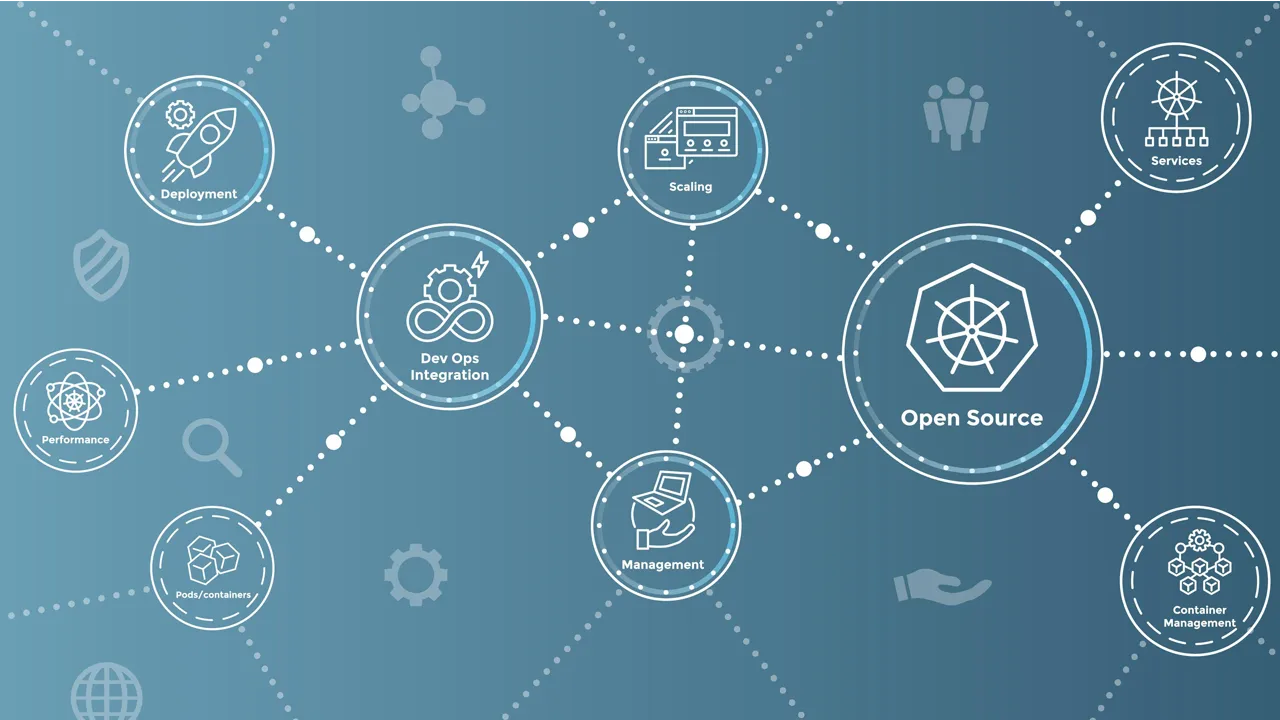
The enterprise cloud environment now uses containerized infrastructure as its primary deployment framework, establishing Kubernetes as the essential platform for modern application delivery. The security enhancements that cloud systems have implemented since Google Cloud introduced its security recommendations and tools to customers have created a new trade-off, requiring organizations to increase operational activity while safeguarding their systems.
The new system enhancements make it more resilient to configuration errors and security threats, but they create additional work for engineering and security teams, who must monitor system activity, enforce rules, and maintain ongoing compliance with regulations.
Strengthening Kubernetes Security by Default
With Kubernetes, an organization can achieve operational stability; however, because of its complexity, users must invest time in configuring their own security. Google Cloud uses its security frameworks to reduce operational workload for users by implementing automated security controls and enhanced identity management systems.
Kubernetes has been modified to address the following three common security vulnerabilities: excessive permissions for roles, insecure application programming interfaces, and incorrect configurations for operations. By implementing security earlier in the software development lifecycle, organizations can find and fix potential vulnerabilities before code is put into production.
The objective is to reduce the number of attack surfaces without requiring every team or team member to become a Kubernetes security expert.
The Hidden Cost: Operational Overhead
The security enhancements create a visible advantage but introduce hidden costs through increased operational requirements. The implementation of restrictive default settings requires teams to create explicit definitions for permissions, network policies, and workload behaviors that were previously allowed to operate without restrictions.
The security improvements in Google Cloud require organizations to implement tighter control frameworks, resulting in longer application deployment times and more complex maintenance processes.
The engineering teams now have to dedicate additional hours to handling configuration tasks, policy review, and compliance verification across multiple clusters.
Policy Management Becomes a Full-Time Function
The most significant transformation of contemporary Kubernetes deployments has emerged through the implementation of policy-as-code frameworks. The tools establish security protocols that protect multiple clusters throughout their operations, but they create additional difficulties for users during installation and maintenance.
Organizations need to control three types of policies: identity access controls, network segmentation rules, and workload restrictions.
Google Cloud has integrated these controls into its managed Kubernetes offerings, but teams must customize them to their specific operational requirements. The security management process has evolved into an ongoing task that requires security teams to maintain constant watch over security activities.
Increased Monitoring and Observability Requirements
Implementing strict security measures requires organizations to adopt more effective monitoring methods for their systems. Teams require complete visibility into cluster operations to verify that their security measures do not stop valid operations.
The system requires three monitoring functions: API call tracking, workload behavior monitoring, and policy enforcement log analysis.
Google Cloud provides tools to support this visibility, but organizations must still invest in configuring and interpreting these systems effectively.
The lack of adequate monitoring delays security enhancements and degrades system performance.
Impact on Development Speed
The stronger Kubernetes security measures create development delays due to their unexpected effect. Developers must complete additional tasks, including establishing tighter access controls and obtaining security approvals, before they can deploy their applications.
Implementing these steps improves system integrity, but it reduces operational efficiency when organizations fail to handle them properly.
Google Cloud uses automated systems to address this problem within its security-first approach. However, engineering teams must balance two competing demands: maintaining security and achieving rapid development.
The Shift Toward DevSecOps Maturity
The current modifications aim to accelerate the adoption of DevSecOps practices, which embed security measures directly into development operations. Security functions are now an integrated part of the deployment process, rather than an independent task.
The team must work together to develop security policies that meet both operational requirements and functional needs.
Google Cloud established its Kubernetes ecosystem to enable this framework through built-in capabilities that handle policy implementation and compliance monitoring.
The organization’s success depends on its level of maturity.
Trade-Off Between Security and Flexibility
The main difficulty introduced by modern Kubernetes security improvements is that organizations must choose between two competing needs: protection and operational freedom. The implementation of stricter security controls decreases organizational risk, yet creates obstacles that slow down testing and implementation of new developments.
Startups and fast-moving teams will experience friction because of this situation. The increased governance requirements large enterprises face are necessary to maintain compliance standards and risk management procedures.
Google Cloud demonstrates its need to balance two opposing goals through its security updates, which provide stronger protection while still allowing users to customize their security settings.
Resource Implications for Teams
Managing current Kubernetes security demands staff members with expertise in three essential areas: cloud security, policy management, and infrastructure automation.
Organizations with fewer than 50 staff members face difficulties maintaining operations without conducting employee education or bringing in new workers, while bigger companies require full-time security engineers.
Managed services within Google Cloud’s ecosystem reduce certain operational demands, but users must have advanced knowledge to fully leverage available features.
Long-Term Benefits of Stronger Security
The long-term benefits of enhanced Kubernetes security measures come at the cost of increased system maintenance. The system achieves greater stability through three factors: decreased vulnerability exposure, enhanced compliance alignment, and reduced production incidents.
The system will require less manual labor due to future automation improvements and better tools that will emerge over time.
Google Cloud develops better methods for Kubernetes security management that maintain high levels of protection.
Conclusion: Security That Demands More, but Delivers More
The current Kubernetes security enhancements provide better protection for cloud infrastructure. The new security features create hidden costs by requiring more resources and making operational tasks more challenging.
Organizations using Google Cloud platforms face two challenges: they need to implement stronger security measures and handle them without disrupting their innovation process.
People face a clear choice between two security options: they must invest more resources in current security work to obtain better protection, which provides stronger long-term defense capabilities.
Source: News, tips, and inspiration to accelerate your digital transformation