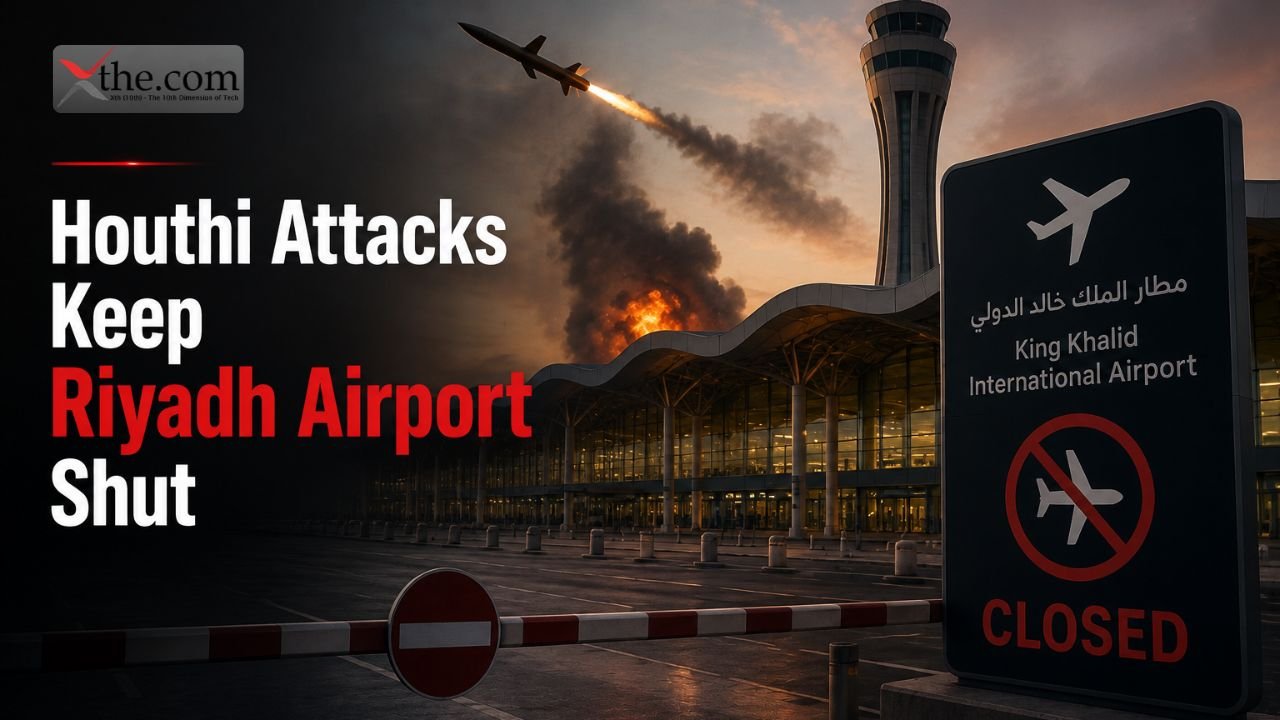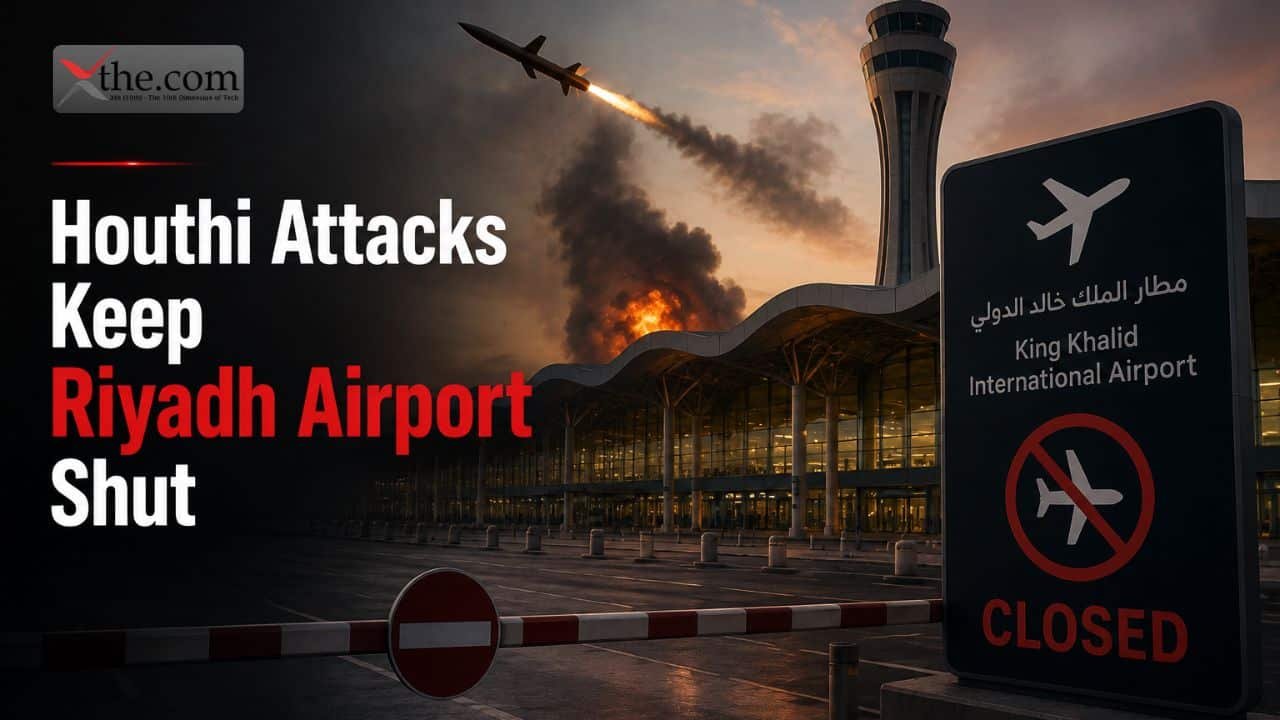
Riyadh Airport Stays Closed Until Oct. 17 as Houthi Attacks Enter Third Day
Saudi Arabia’s capital endured a third consecutive day of drone and missile attacks on Monday, October 12, with authorities saying the assault on Riyadh’s King Khalid International Airport has killed 12 people and wounded more than 300, and officials announcing the airport will remain closed until October 17. The extended closure of the kingdom’s busiest aviation hub, combined with a wave of intercepted missiles aimed at Riyadh and Khamis Mushait, has turned a regional conflict into a live test of civilian infrastructure resilience and global airline logistics.
The October 10 strike on the airport’s domestic flight terminals was the deadliest, killing 12 people and injuring 309 in figures released by Saudi authorities and reported by CNBC, with Al Jazeera later raising the death toll to at least 13 and the injured above 300. A follow-up attack on October 11 killed one person and injured 11, Al Jazeera reported, and Monday’s interceptions were the third straight day of Houthi fire aimed at the Saudi capital. The group’s targeting of a major international airport marks an escalation in a campaign that has historically focused on oil facilities and border regions.
The Human and Aviation Toll
The casualty figures from the October 10 strike alone, 12 dead and more than 300 wounded, place it among the deadliest single attacks on Saudi civilian infrastructure in the kingdom’s recent history. The victims at an airport terminal are travelers and workers, a profile that makes the attack’s indiscriminate character harder to frame as anything other than what it is, and the Saudi-led coalition’s public statements have reflected that framing.
The aviation consequences compound the human damage. With King Khalid International Airport closed through October 17, airlines have canceled flights and rerouted traffic across the region. CNBC reported about 100 flights had diverted to other airports, citing flight tracking data, and the closure ripples through connecting itineraries for travelers transiting one of the Gulf’s major hubs during what remains a peak travel period for the region.
Travel Warnings Multiply
The diplomatic response accelerated alongside the military one. Australia and New Zealand joined the United Kingdom, United States, Canada, France, Germany, Japan and others in issuing travel warnings for the region, CNBC reported, a synchronized advisement that reflects how quickly the threat picture has changed for civilian aviation. Travel warnings from that broad a coalition of governments typically follow intelligence assessments rather than headline reactions, and their simultaneity suggests shared concern about the durability of the current de-escalation frameworks.
For airlines, the practical effect of layered travel warnings extends beyond cancellations. Insurance costs for Gulf routes rise, crew scheduling gets harder when airports close on short notice, and carriers face pressure to reroute away from airspace that a week ago was routine. The October 17 reopening date announced by Saudi authorities is itself a planning assumption, and any extension would force another round of schedule surgery across the industry.
Trump Says the U.S. May Join the Fight
President Donald Trump said over the weekend that the United States may join Saudi Arabia in retaliation against the Houthis, remarks CNBC carried on both October 11 and October 12, a statement that, if acted upon, would insert American forces directly into a conflict that has so far been prosecuted by the Saudi-led coalition with U.S. logistical and intelligence support. The comment came as the broader regional situation remained volatile, with strikes on Saudi infrastructure, tanker incidents in nearby shipping lanes, and diplomatic maneuvering over the Strait of Hormuz all proceeding in parallel.
The Houthis’ ability to sustain multi-day campaigns against the Saudi capital reflects their entrenched position in Yemen’s civil war and their access to increasingly sophisticated missile and drone technology. Interception of Monday’s missiles, a Houthi missile toward Riyadh and two toward Khamis Mushait destroyed before impact, testifies both to the coalition’s defensive capabilities and to the volume of fire being directed at Saudi territory.
The Strait of Hormuz Thread
Running alongside the Riyadh attacks is a separate diplomatic track with direct implications for global energy markets. Iran’s Foreign Ministry spokesperson Esmail Baghaei said on October 12 that Iran was reviewing a U.S. response to its proposal on reopening the Strait of Hormuz, the waterway through which a significant share of the world’s oil transits and which has been the center of tension throughout the year’s escalations.
The linkage between the Riyadh airport attacks and the Hormuz negotiations is not coincidental. Both are elements of the same regional conflict structure, and progress on one track tends to move the incentives on the other. A credible ceasefire framework for shipping would reduce the pressure on oil markets that the airport attacks have intensified, while escalation against Saudi civilian infrastructure makes diplomatic flexibility harder for the kingdom and its partners.
Why an Airport Became a Target
Striking a major international airport is a different kind of escalation from the oil facility and border attacks that have defined this campaign for years. Airport terminals are dense civilian spaces, and an attack on one forces a government to weigh the continuity of commercial aviation, public confidence and international connectivity against the security response it chooses to mount. Saudi authorities have had to manage both the human consequences for the travelers and workers affected and the operational consequences for the airspace above the kingdom.
The timing compounds the disruption. Closing the kingdom’s busiest hub through October 17 keeps airlines, insurers and cargo operators adjusting schedules for a week rather than a day, and each additional day of closure adds rerouting costs across the region’s network. The announced reopening date has therefore become a variable of its own, one that carriers and markets will treat as provisional until authorities confirm it.
What the Next Week Holds
Three variables will determine how this story develops. The airport’s October 17 reopening date is the most immediate, since a functioning capital airport is a baseline requirement for the kingdom’s international connectivity. The question of direct U.S. military participation, following Trump’s weekend statement, would represent the largest escalation option available to the coalition. And the Hormuz negotiation track, with Iran reviewing an American response to its reopening proposal, offers the only currently visible path toward reducing regional tensions.
For the more than 300 people injured in the October 10 attack and the families of the 12 killed, the geopolitics are already concrete. For the airlines rerouting around closed Gulf airspace, and for oil markets trading on every headline from the region, the next seven days will be defined by whether the violence that began on October 10 stays contained within its current scope or draws in the additional actors who now say they are considering entry.
Frequently Asked Questions
Why is Riyadh airport closed?
King Khalid International Airport has been closed since the October 10, 2026 Houthi attack that killed 12 people and wounded more than 300, with Saudi authorities announcing it will remain closed until October 17. About 100 flights have diverted to other airports.
How many people died in the Riyadh airport attack?
Saudi authorities said the October 10 attack on the airport killed 12 people and injured more than 300. A separate attack on October 11 killed one person and injured 11, and a third day of strikes followed on October 12.
What did Trump say about the Houthi attacks?
President Trump said over the weekend that the United States may join Saudi Arabia in retaliation against the Houthis, a statement that would mark direct American military involvement in the conflict if acted upon.
Are other countries warning against travel to Saudi Arabia?
Yes. Australia and New Zealand joined the United Kingdom, United States, Canada, France, Germany, Japan and others in issuing travel warnings for the region following the attacks on Saudi airports.