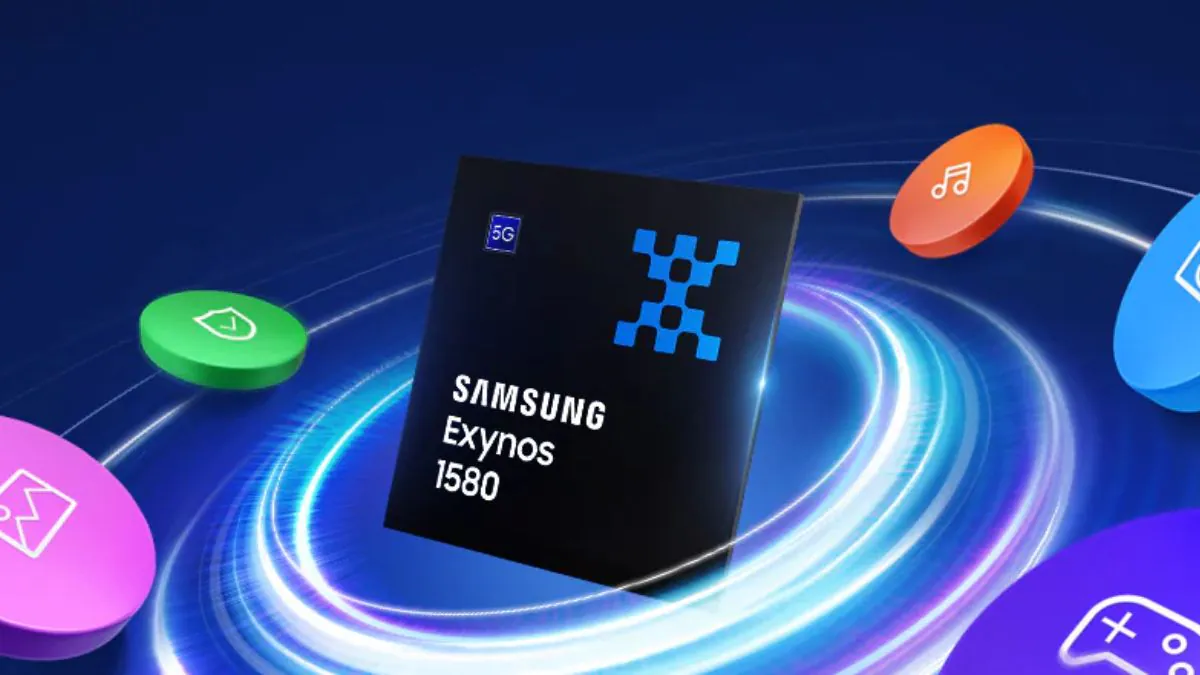
The production of Samsung’s next-generation AI processors is officially underway. This is significant because it represents a major leap forward for mobile computing technology as a whole. Samsung’s semiconductor division has ramped up production of its Exynos AI chip, as it represents a major step toward robust mobile AI processing capability.
The industry is moving towards on-device AI chips because this technology enables smartphones to perform AI tasks without relying on cloud services. The result enables smartphones to execute AI tasks faster while protecting user privacy and maintaining operational efficiency.
A New Phase for Exynos AI Chips
Samsung’s goal with its Exynos AI chip is to incorporate advanced machine learning capabilities into its mobile processors. The new designs enable mobile AI computing through purpose-built chip architectures that support both general and AI computing.
Samsung uses hardware-based AI acceleration to boost performance in common smartphone tasks, including camera processing, voice recognition, and real-time translation.
This development strengthens the company’s position in Samsung semiconductor AI innovation, where hardware and intelligence are increasingly designed together rather than separately.
Why On-Device AI Is Becoming Essential
The demand for quick data processing, together with secure data management and operational efficiency, requires the development of on-device artificial intelligence processors. The advanced functions of cloud-based artificial intelligence systems require constant internet connectivity, leading to operational interruptions.
Exynos AI chip technology enables smartphones to perform local data processing tasks. The system protects user privacy by minimizing wait times by storing confidential data on the device.
Mobile AI processors reduce reliance on external servers, improving AI performance when users experience weak internet connections.
Improving Smartphone AI Performance
The Exynos AI chip is designed to improve AI performance across various smartphone application domains. These include computational photography, real-time language translation, predictive text, and personalized user experiences.
Dedicated AI hardware enables users to complete tasks that required extensive processing power in the past more efficiently. The system optimization process improves mobile application response times and creates a more seamless user experience.
On-device AI chips provide continuous access to performance enhancements that operate optimally during offline periods or low-bandwidth scenarios.
Advancing Mobile AI Computing Architecture
Mobile AI computing developments are driving fundamental changes in smartphone design. AI has become a fundamental element that now defines processor architecture for modern systems.
The Exynos AI chip uses dedicated AI cores and accelerators, enabling machine learning processing to run separately from the main CPU and GPU. This specialization improves performance while decreasing total energy usage.
Samsung semiconductor AI development efforts will help the company develop hardware plans that support the rising demand for intelligent computing in mobile devices.
AI Chipset Production and Manufacturing Strategy
The launch of artificial intelligence chip production for Exynos processors demonstrates Samsung’s end-to-end manufacturing operations. The company is making substantial investments in semiconductor manufacturing technologies, enabling it to develop its upcoming artificial intelligence workloads.
The mass production of Exynos AI chips requires sophisticated manufacturing methods that enable high-density transistor designs while achieving maximum energy savings.
The mobile AI processor market requires this investment because companies need to develop competitive products that deliver exceptional performance and energy efficiency.
Impact on Battery Life and Efficiency
The primary benefit that on-device AI chips provide to users comes from their ability to deliver power savings. The architectural design of smartphones enables them to reduce data transfer rates and lower energy usage by relying less on cloud-based computing.
The Exynos AI chip uses its design to distribute workloads across processing units, assigning AI tasks to the most efficient units available.
Smartphone AI performance maintains its strength during AI-heavy tasks because this feature improves battery life.
Competitive Landscape in Mobile AI Chips
The launch of Exynos AI chip production establishes Samsung as a competitor against other semiconductor companies that develop AI-based mobile processors. The race to dominate mobile AI computing is intensifying as demand for intelligent smartphone features continues to grow.
Samsung semiconductor AI development establishes the company as an essential player for future mobile AI technological advancements.
The competition between companies will drive AI chipset development, creating more powerful and efficient devices across the industry.
Challenges in Scaling AI Chip Production
Even though there has been significant progress on the operational side, producing Exynos AI chips poses challenges in the manufacturing process. Manufacturing advanced semiconductor chips requires precision engineering and substantial capital investment.
The production of mobile AI processors must maintain the same performance level throughout each phase of the production process for quality assurance.
Optimizing on-device AI chips for better performance and energy efficiency requires ongoing improvements in both hardware and software.
Conclusion: Intelligence at the Core of Mobile Devices
Samsung achieves a crucial milestone with the production launch of its Exynos AI chip, a major accomplishment for both Samsung and the semiconductor industry.
Samsung demonstrates its commitment to transforming smartphone capabilities through the development of device AI chips and the enhancement of its semiconductor AI expertise.
Mobile AI processors will need to incorporate dedicated AI hardware components to create faster, smarter user experiences that operate more efficiently.
Source: SAFE™ Forum 2026