






Brownsville, TX,
Atomic Answer: SpaceX successfully conducted a 33-engine full-duration static fire of the Starship V3 Super Heavy booster on May 7, clearing the final hurdle for Flight 12. The V3 architecture delivers 10% more thrust than previous versions, fundamentally shifting the ROI for heavy-lift satellite deployment and deep-space logistics.
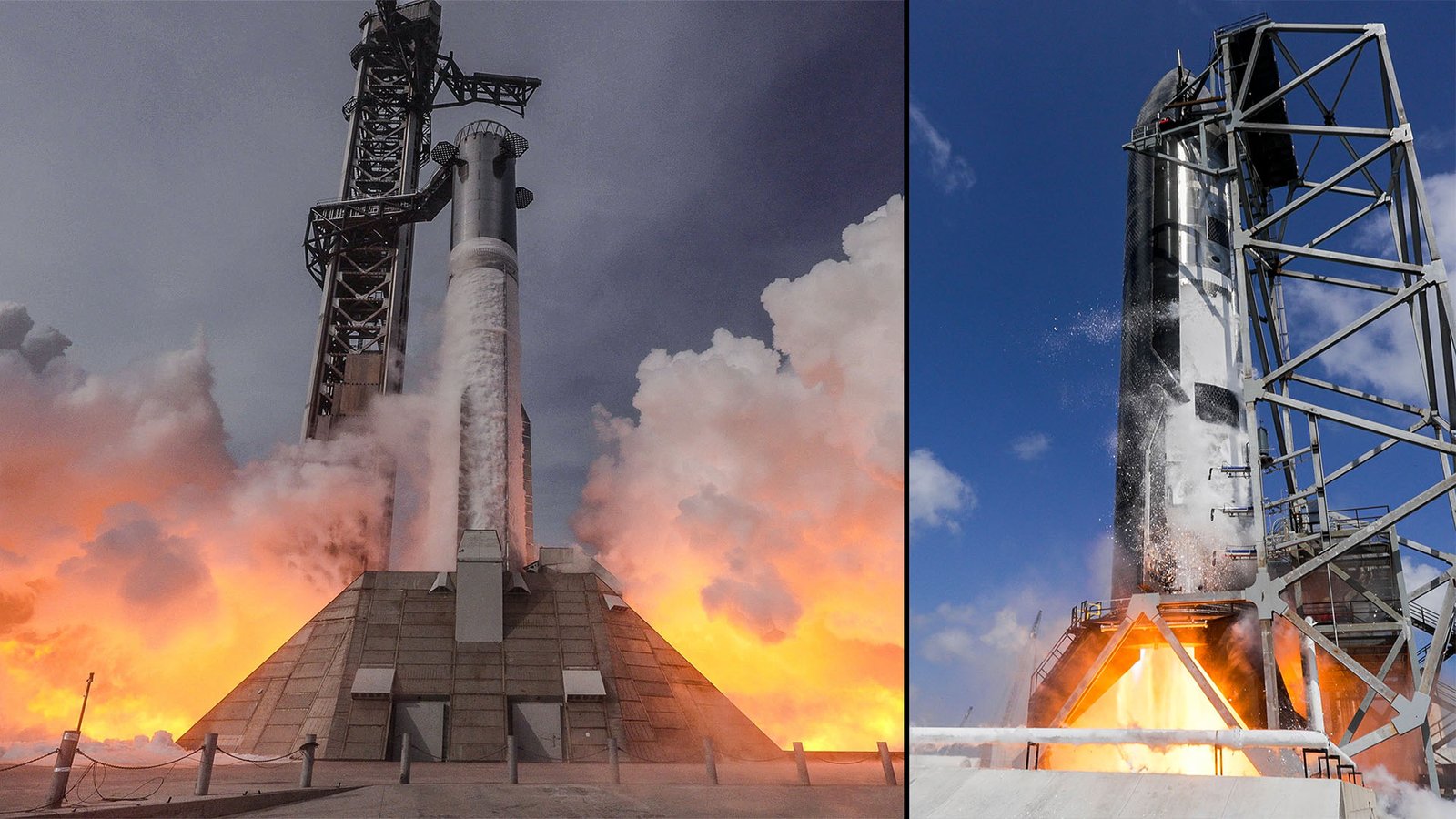
The ground shook along the Gulf Coast, marking a major moment in human spaceflight. At 4:00 PM local time, the SpaceX Starship V3 prototype reached a key milestone that many thought would take another year of testing. The Booster 19 static fire was more than a routine engine check; it proved the power of the most advanced launch vehicle yet. When the smoke cleared, the data showed a flawless ignition, confirming the new V3 design can handle the intense conditions of reaching orbit.
Engineering the Next Generation of Heavy Lift
Moving to the V3 platform is a big step from earlier test flights at Starbase, Texas. The V2 boosters showed that the catch system and hot staging could work, but V3 is designed for frequent, reliable commercial launches. The test used the new Raptor 3 engines, which feature a simpler bolt-on design that removes external plumbing and boosts each engine’s power by almost 20%.
By simplifying the engine’s exterior, SpaceX has made the booster lighter and more reliable. During the SpaceX Starship V3 Booster 19 full-thrust static fire in May 2026, all 33 engines maintained steady pressure throughout the test. This steady performance is crucial for Flight 12, which will carry the largest payload yet. The way SpaceX managed the noise and heat from the Raptor 3 engines shows that the launch pad and flame detector can now handle the extra power from the upgraded booster.
The Operational Path to Flight 12
Now that the static fire is done, the Starbase Texas team is starting the final steps before the next orbital launch. The main goal for V3 testing is to show that a stainless steel rocket can be prepared as quickly and efficiently as a commercial airplane. The Booster 19 static fire provided the data needed to confirm that the fuel systems can handle the colder, faster-flowing liquid oxygen and methane required for three-phase, bigger engines.
The progress, this progress speeds up the Flight 12 countdown, moving the expected launch date up by several weeks. In the aerospace world, this fast pace is rare. Each successful ground test reduces the risk of problems during flight, helping SpaceX get closer to its goal of rapid reuse. Checking all 33 engines at once shows how advanced the new automated software is for the Starship system.
Foundations for the Mars Architecture
The long-term significance of today’s success reaches far beyond the immediate goal of satellite deployment. Every modification found in SpaceX Starship V3 is a direct response to the requirements of the long-duration Mars architecture. To reach the red planet, the vehicle must be capable of lifting hundreds of tons of propellant to orbit for in-space refueling operations. The increased efficiency of the Raptor 3 engines is a prerequisite for these tanker flights, as it allows for a greater margin of error during the complex docking maneuvers required in low Earth orbit.
The successful full-thrust static fire of SpaceX Starship V3 Booster 19 in May 2026 demonstrates that the rocket’s heavy-lift power can meet the needs of missions to other planets. By showing the booster can handle the intense shaking of a full-power launch without damage, SpaceX has confirmed its deep-space plans are on track. The move from testing to reliable operations is now in sight.
A New Benchmark for Aerospace Productivity
The global launch market is changing. Old models of disposable rockets and slow development can’t keep up with the fast, repeated testing shown this week. As V3 gets closer to its first flight, the cost of sending things to orbit should drop significantly, making space more accessible to new industries.
The successful static fire of Booster 19 is the final green light for what would be the program’s busiest year. Now that the hardware and software are ready, the next step is launch. The next few months will show if V3 can make space travel as common as flying across a continent. For now, the sound of 33 engines has given a clear answer.
Executive Procurement Checklist
- Logistics: Monitor launch costs-per-kilogram as V3 enters the active rotation.
- Infrastructure Risk: Increased thrust requires pad reinforcement at Starbase to avoid “concrete rain.”
- ROI Implications: Rapid reusability of V3 boosters could reduce launch intervals to <48 hours by 2027.
- Action Step: Monitor FAA NOTAMs for the finalized Flight 12 window (expected May 15).








