






Fremont, CA,
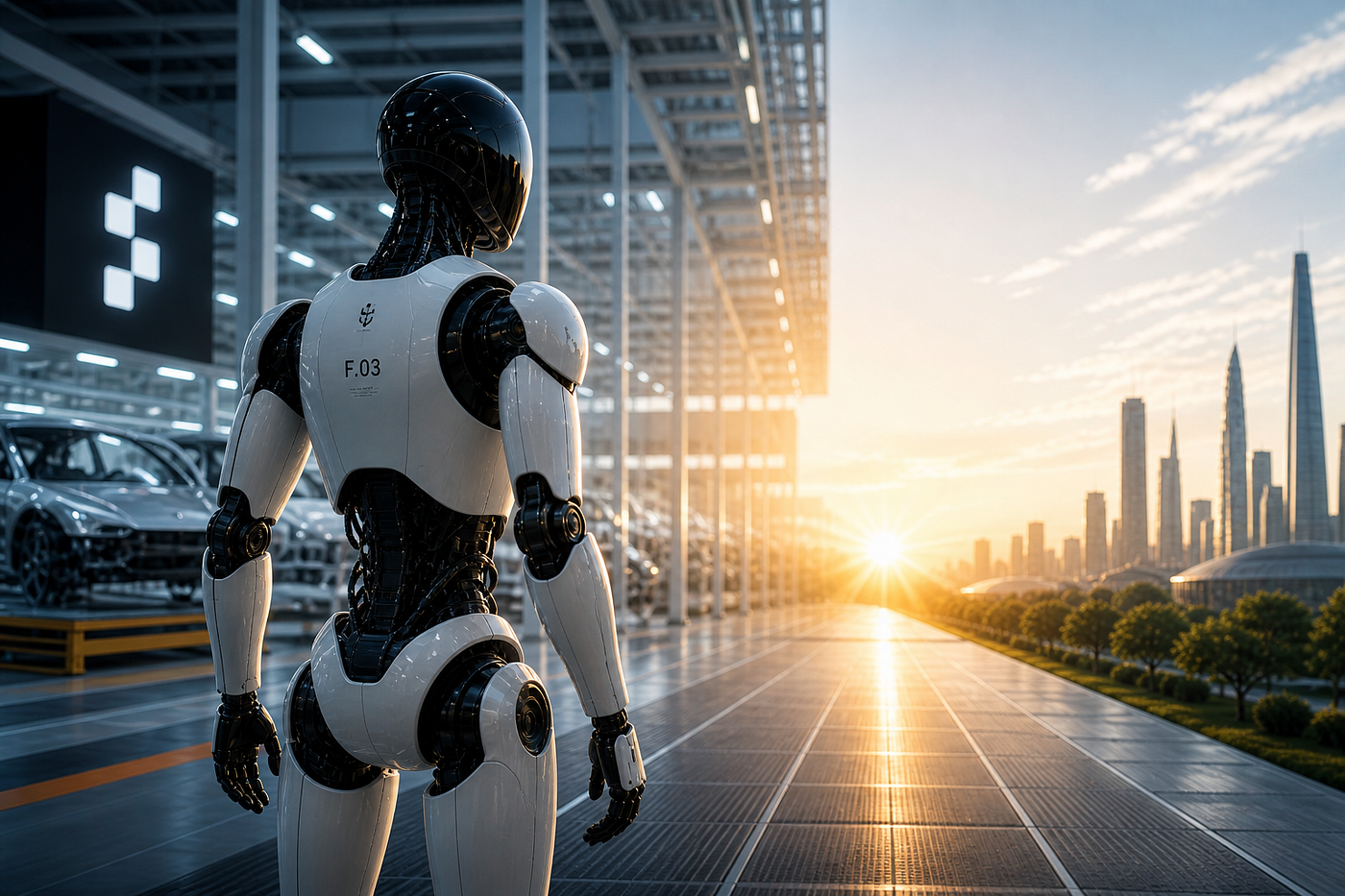
Atomic Answer: Tesla has begun final validation of Line 1, the first dedicated high-volume production facility for Optimus Gen 3 at Fremont. This manufacturing milestone confirms the S-curve ramp-up scheduled for mass production, moving humanoid robotics from R&D to a viable industrial labor asset.
An unexpected production stop at an auto plant can cost over $1 million every hour. This is why manufacturers continue to look for ways to improve labor efficiency even after years of automation. Traditional robots still struggle with unpredictable tasks such as cable routing, material handling, and final inspection. Tesla thinks the next phase of its Optimus production line could solve these problems.
Tesla Optimus Gen 3 is at the heart of this effort. It’s the company’s latest humanoid robot built for large-scale use in factories. Earlier versions focused on showing off movement and simple warehouse tasks, but this one is designed to improve real-world factory costs. Tesla is testing whether these robots can handle repetitive work at a scale that truly changes how factories operate, not just support existing systems.
Why Tesla Is Treating Optimus As A Manufacturing Asset.
Robotics has always been a core focus for Tesla. The company already runs some of the world’s most automated car factories, especially in Fremont and Texas. What makes Tesla Optimus Gen-3 different from earlier robots is its flexibility.
Traditional robotic arms work well in controlled settings. They can drive, lift, and perform tasks, but they struggle when things change. For example, if a connector is out of place or a part is turned the wrong way, humans usually have to step in. Tesla’s humanoid robots are designed to handle these unpredictable situations.
Right now, the Optimus production line is being tested on fast-paced factory tasks that need quick movement and adaptability. This is where advanced touch sensors are crucial. Rather than using cameras, Optimus relies on physical feedback to sense pressure, texture, and resistance as it works.
This is important because real factory work is rarely as controlled as a lab. If a humanoid robot can distinguish between a loose wire and a secure assembly, it could help reduce inspection delays.
The Economics Behind Humanoid Robot Deployment
The conversation about the return on investment for humanoid robots has changed significantly over the past two years. At first, people doubted whether these robots could be cost-effective compared to specialized machines.
Tesla’s main point is that large-scale robot use can replace human labor.
A car factory that runs around the clock might have thousands of workers handling logistics, assembly, packaging, and inspections. Even using a moderate number of humanoid robots could lower labor costs, reduce overtime, cut training expenses, and minimize downtime.
For Tesla, the equation goes beyond wages. The company also benefits from vertically integrated AI infrastructure, battery production, and software optimization. That gives Tesla an advantage few competitors can match in TSLA labor automation initiatives.
Morgan Stanley analysts have estimated that deploying humanoid robots such as suck robots would add trillions of dollars in long-term value to manufacturing. While these numbers are still just predictions, they show why more investors see Tesla Optimus Gen 3 as a way to boost profits, not just as a futuristic experiment.
Fremont as the Testing Ground for AI Manufacturing
The term Fremont Factory AI now means more than just automated car production. Tesla is turning its Fremont plant into a real-world testing ground where machine learning works directly with factory processes.
This difference is important.
In most factories, AI is mainly used for forecasting or quality checks and remains separate from the main operations. Tesla, however, brings together robotics, computer vision, neural networks, and factory data into one system. The Optimus project is a key part of this approach.
Picture a factory where humanoid robots switch tasks as needed, depending on where slowdowns happen. One robot might move parts during a supply rush, while another checks quality if problems arise. This kind of flexibility could change how factories are managed.
The success of Tesla Optimus Gen 3 production ramp and enterprise labor impact in 2026 depends on whether Tesla can maintain reliability under real-world production stress. Investors may tolerate prototype failures. Manufacturing executives will not tolerate repeated downtime.
Tactile Intelligence Could Decide the Outcome.
Many robotics companies still focus too much on cameras and vision systems. While cameras are important, touch is often what really matters in factories.
Tesla’s focus on advanced tactile sensors shows it understands this challenge. A humanoid robot building battery parts needs to sense the appropriate force. Too much pressure can damage materials, while too little can cause defects.
Humans make these adjustments naturally, but teaching robots to do the same with machine learning is still hard.
If Tesla succeeds, the implications extend far beyond automotive production. Warehousing, aerospace, electronics, pharmaceuticals, and retail logistics all face labor shortages and rising operational costs. That explains why enterprise interest in humanoid robot ROI continues accelerating despite technical skepticism.
The Competitive Pressure On Global Manufacturing
Tesla isn’t the only company working on humanoid robots. Firms in the US, China, and South Korea are also investing in industrial AI. However, Tesla has a key advantage: it already has the infrastructure to deploy these systems.
The company can test TSLA labor automation directly inside active factories rather than relying solely on controlled pilot environments. That compresses development timelines and produces operational data that competitors may struggle to replicate.
The main question isn’t if the humanoid robots will be used in factories, but when, how many, and at what cost.
For business leaders facing rising labor costs, worker shortages, and slow productivity, Tesla Optimus Gen-3 could change how factories operate, much as cloud computing changed software. Companies that move quickly may gain lasting cost advantages.
The next year and a half will show if the Optimus production line becomes a real manufacturing tool or stays just an ambitious project. Whatever happens, it will shape how industries think about labor automation and resilience for years to come.
Executive Procurement Checklist
- Labor Strategy: Re-evaluate 2027 warehouse labor budgets in light of <$30k unit price targets.
- Infrastructure Risk: High-density robot charging requires facility power upgrades for 48V surges.
- ROI Implications: Human-grade tactile sensors allow for automation of delicate wiring and assembly tasks.
- Action Step: Review the mid-year “Optimus Reveal” for finalized hand-dexterity specifications.
Source: AI & Robotics








