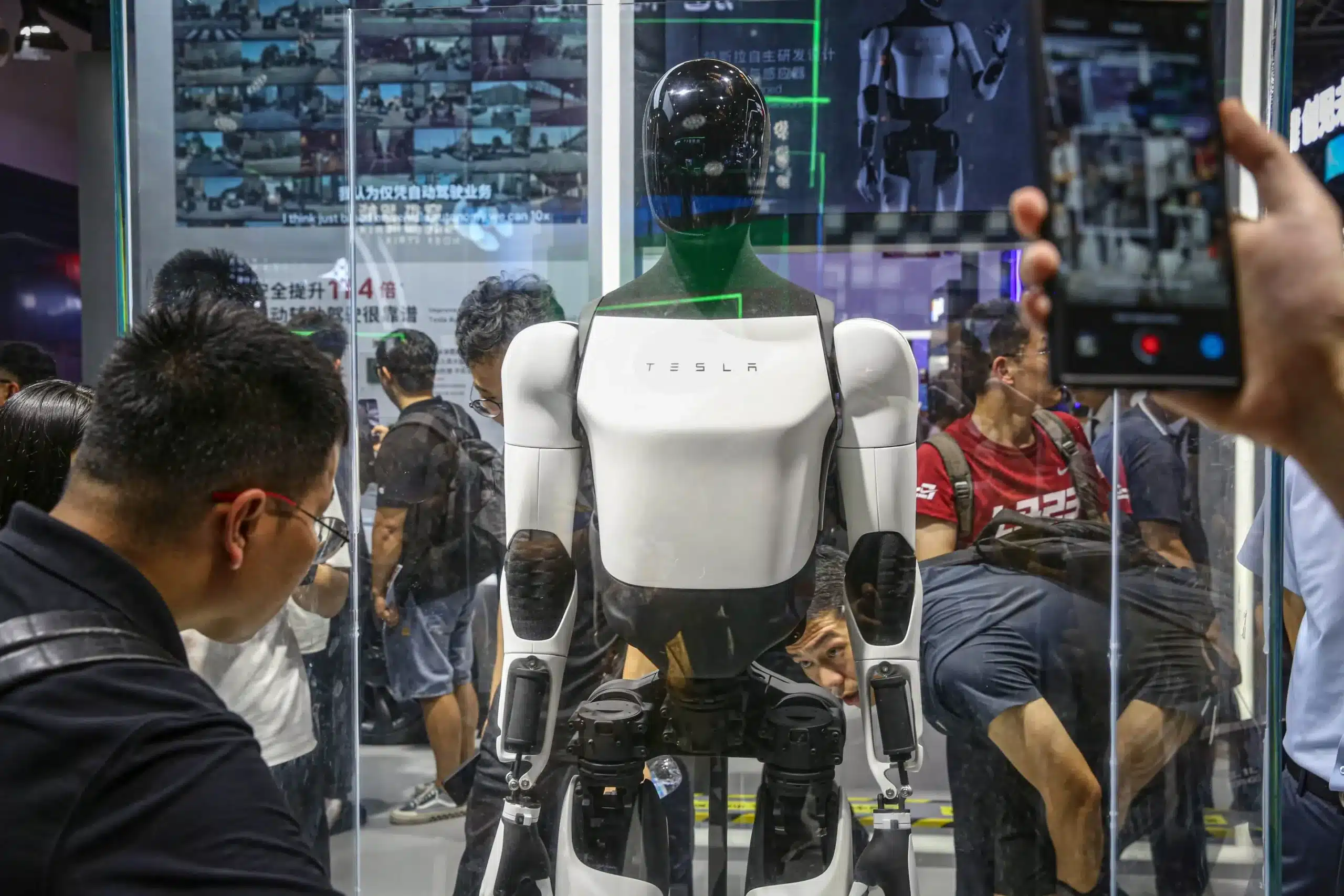
A new phase in industrial automation is emerging as Tesla advances its robotics program. Recent developments suggest that its humanoid and factory-based systems are beginning to demonstrate autonomous task-switching capabilities, marking a significant leap for Tesla robots AI.
This shift goes beyond traditional automation, introducing machines that can dynamically adjust their roles within production environments. As a result, the future of factory automation is moving toward systems that not only execute tasks but also decide which tasks to perform.
From Fixed Automation to Adaptive Robotics
Traditional factory robots are programmed to perform specific, repetitive tasks. The systems work efficiently but require manual reprogramming whenever production requirements change, as they cannot adapt to new demands.
Tesla’s introduction of its robot AI marks an important advancement toward the development of adaptive robotics. The systems use their environmental analysis capabilities to identify which areas require their most effective deployment.
The factory automation system now enables machines to operate beyond their predefined functions by adapting their behavior to actual operational requirements.
How Self-Task Reassignment Works
The self-task reassignment system relies on sophisticated artificial intelligence models that analyze data from various sensors, cameras, and industrial production equipment. The models assess multiple elements, including workflow interruptions, equipment downtime, and task importance.
The analysis results indicate that Tesla robots’ AI systems can autonomously switch between tasks without requiring any human assistance.
Robots use their autonomous capabilities to manage resources, enabling them to respond to changing needs while continuing to produce goods. The current factory automation systems achieve their objective by reducing operational downtime, thereby improving efficiency throughout the entire production process.
Improving Efficiency and Productivity
The first advantage of self-task reassignment leads to better work output. The robots achieve optimal task distribution through their ongoing process, which prevents any section of the production system from becoming a bottleneck.
Tesla factories achieve higher production rates through their use of robots and AI technology without needing to expand their workforce. The system uses real-time task redistribution to ensure all resources are used as efficiently as possible.
New developments in factory automation enable factories to operate with less human monitoring, allowing workers to devote more time to handling advanced, mission-critical tasks.
Integration with Manufacturing Systems
The robots require connection to entire manufacturing systems because self-task reassignment needs those systems to function properly. The system needs to connect to three components: production planning software, inventory systems, and factory floor machines.
Tesla robots’ AI can obtain real-time information about production needs and limitations through this system integration. The system enables organizations to make better decisions through improved operational coordination.
The upcoming factory automation systems require this type of connectivity because they will operate as a linked network rather than as separate systems.
Flexibility in Production Lines
Manufacturers today need flexible production systems to handle multiple product lines and unpredictable demand patterns. Existing automation systems struggle to operate under varying production conditions.
Tesla’s robot AI system, which enables dynamic task assignment, solves this problem. Robots can switch between various functions as required, enabling production systems to operate more flexibly.
The ability to maintain operational flexibility gives manufacturing facilities a strategic advantage, enabling them to adapt to market shifts without major system changes.
Workforce Implications and Human Roles
The increasing presence of autonomous robotics technology leads people to question how it will affect human job functions. Automation technology eliminates specific physical work requirements while creating new employment opportunities that require expertise in overseeing systems, maintaining equipment, and designing systems.
People will move into supervisory and analytical roles as Tesla’s robots and AI enable them to work with machines to improve operations. The factory automation trend requires companies to develop new workforce training programs because employees need skills to handle their new job responsibilities.
Challenges in Autonomous Task Management
Self-task reassignment can improve operations. The task allocation system must function correctly, as any errors will lead to production disruptions and quality defects.
Creating precise AI models requires organizations to gather large amounts of data while they continuously enhance their systems. The Tesla robot’s AI system needs to develop its ability to execute complicated tasks while making choices that support its production objectives.
Implementing such systems in factory automation environments requires organizations to invest heavily in both their infrastructure and integration processes.
Safety and Regulatory Considerations
The development of autonomous robots makes safety requirements more essential. System safety requirements must be designed to ensure safe operation with human workers while meeting all regulatory requirements.
Tesla robots’ AI will use advanced safety protocols during deployment, including real-time monitoring and fail-safe mechanisms.
The factory automation process needs a balance between safety and efficiency because it serves as the foundation for adopting new technologies in a sustainable and responsible manner.
Competitive Impact on Manufacturing
Tesla’s development of robotic systems will create major changes throughout the entire manufacturing sector. The technologies companies choose to implement will provide them with advantages through improved operational efficiency and enhanced adaptability.
The implementation of Tesla robots AI into production systems will establish new performance standards for factory automation technologies.
Manufacturers will increase their spending on AI-based robotic systems to compete in a changing marketplace.
Conclusion: A New Era of Intelligent Manufacturing
The emergence of self-task reassignment in Tesla’s robotics program creates a major advancement for industrial automation. Using this technology, Tesla’s robot AI system enables robots to switch between operational tasks, thereby developing new production capabilities.
The invention transforms factory automation systems by replacing traditional fixed automation with systems that drive ongoing operational improvements.
The upcoming manufacturing project faces obstacles, but its efficiency gains, flexibility improvements, and productivity enhancements make it essential for upcoming manufacturing developments.
Sources: Tesla Blog