






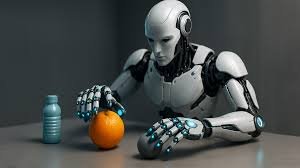
Robots are getting better at sensing the world around them as their sense and touch improve. In 2026, Tactile AI explained how robots sense and handle objects, pointing out a major shift: machines are beginning to feel their way through complex tasks rather than just moving objects. Thanks to high-resolution sensors and fast neural processing, today’s robots can detect subtle changes in friction, weight, and texture the moment they touch an object. This new skill is making a difference in areas like delicate surgery and the careful assembly of electronics.
How Digital Touch Works?
Tactile AI relies on advanced sensors that work much like human skin. In 2026, many top robots use electromechanical sensors like those from Gel Sight, which feature internal cameras to monitor how a soft-gel surface changes shape. When a robot touches something, the gel blends, and the AI turns these small changes into a detailed 3D map on the surface. This lets robots see with their fingertips, picking up tiny flaws or movements that regular cameras might miss. This detailed information is key for tasks that need careful control and accuracy.
In addition to optical tactile systems, robots now use piezoresistive and capacitive sensors in their skin to get different types of feedback. These sensors track changes in electrical resistance, pressure, and vibrations across the robot’s body. This setup lets a robot detect if it bumps into something or if an object slips from its grip. By quickly processing these signals with special edge computing modules, the robot can respond in just milliseconds. This fast feedback is what lets the same robot handle both a fragile egg and a heavy steel pipe.
Tactile AI Explained: How Robots Sense and Handle Objects in Industrial Settings.
In logistics and manufacturing, there is now a strong focus on helping robots handle everyday objects more skillfully. Tactile AI enables robots to sense shifting weights within a package or the resistance when threading a bolt into a socket. If a robot notices an unexpected increase in torque, the AI can pause or move the part slightly to find the correct alignment, just as a human technician might. This approach helps reduce mechanical wear and avoids the sudden failures that often happen with older vision-only automation systems.
Today’s warehouse robots use touch feedback to adjust their grip in real time. For example, when picking up a soft plastic bottle, the robot’s tactile AI determines the minimum force needed to hold it without causing damage. This process, called dynamic grasping, relies on reinforcement learning models trained on millions of real-world interactions. As robots encounter new materials, such as bioplastics or textured fabrics, they update their overall touch model to improve over time. This ongoing learning helps robots become more efficient with every item they handle.
The Role Of Neuromorphic Processing
The next big step for tactile AI is neuromorphic computing, which copies the way the human nervous system works. Instead of always processing data, neuromorphic chips only respond when they sense a change in pressure or contact. This event-driven method reduces power consumption and delays, making robotic limbs more responsive. In 2026, this technology is especially important for advanced prosthetics, where users need instant feedback to feel connected to their artificial hand. By turning sensor data into signals the body can use, the AI helps users regain a sense of control.
These neural systems also support multimodal fusion, combining touch data with visual and auditory information. For example, if a robot notices a wet surface, its tactile AI anticipates reduced friction and adjusts its grip in advance. This kind of forward-thinking is a sign of advanced machine intelligence, helping robots work smoothly even as conditions change. As a result, these machines do more than just follow instructions. They actively sense and adapt to their environment. This awareness is key for the next generation of collaborative robots, or cobots.
Enhancing Human Robot Collaboration
As robots become part of our homes and workplaces, safety is more important than ever. New collaborative robots use haptic reflexes to sense a gentle touch from a human coworker. For example, if someone touches a robot’s arm, the robot can immediately relax or change its path to prevent an accident. This common motion allows people and robots to work side by side without the need for safety barriers. By 2026, the value of tactile AI will be demonstrated through a safer, more flexible workforce.
The Future of Tactile Intelligence
By the end of the decade, we will likely see inter-agent tactile standards that let different robots share information about touch, much as people describe textures. For instance, a robot in a pharmacy could get the grip profile for a new medicine bottle from a central database, helping it pick up the bottle correctly on the first try. Sharing this knowledge will accelerate the adoption of autonomous systems worldwide. These steps are already laying the groundwork for better teamwork between humans and machines.
Final Thoughts on Physical Intelligence
Tactile AI marks a shift in robotics, moving from simply watching to actively and sensitively interacting with the world, as shown in Tactile AI Explained: How Robots Sense and Handle Objects. The future of automation is about how well machines interact with their environment, not just about speed or size. This crystalline intelligence means that businesses can rely on technology that responds with a human-like touch. By investing in tactile sensing, companies are preparing for a future in which machines stand out for their ability to feel and adapt.








