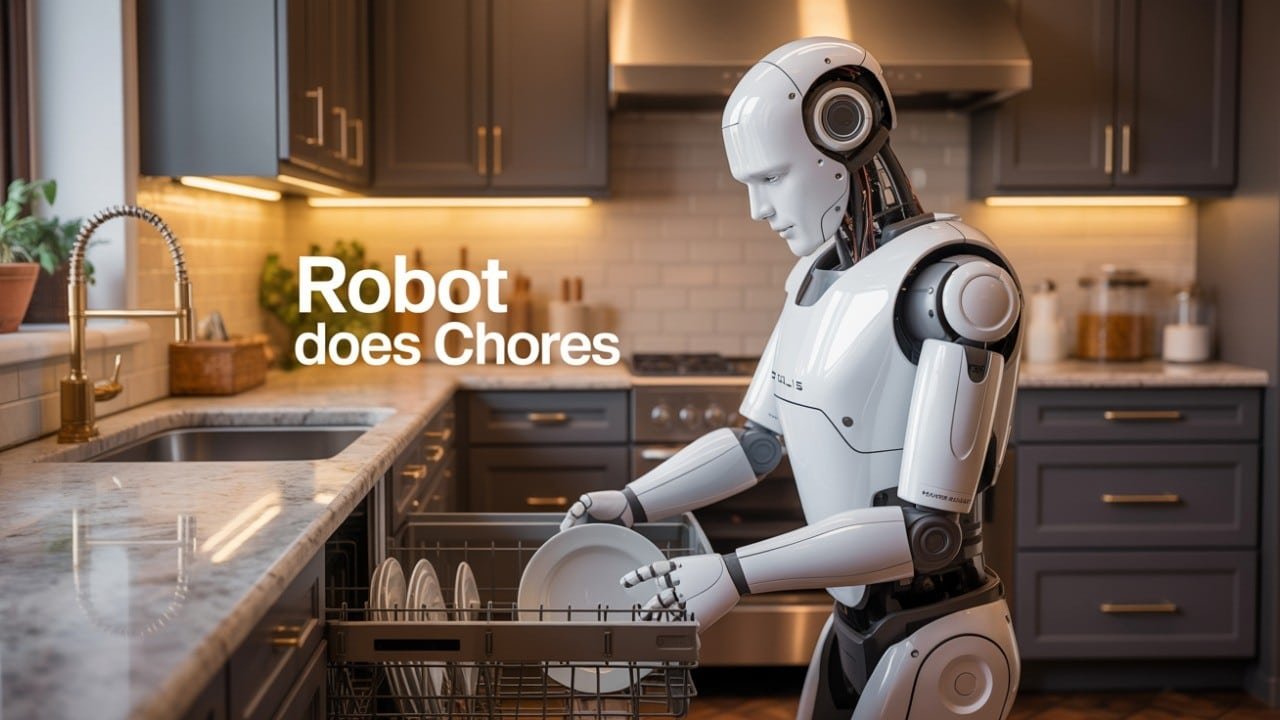
Tesla has indicated they’re entering a new phase of their human-robot project, with the intent to establish humanoid robots in residential properties by incorporating advanced smart home protocols. This development suggests that humanoid robots may advance from operating solely independently to serving as a control hub for managing/interacting with IoT devices in smart home ecosystems.
This aligns with trends toward automation, exemplified by the use of AI to support how we live our daily lives. By integrating smart home systems into robotic communication, Tesla is exploring the potential for robotics to transition from industrial and experimental paradigms into commercially viable, domestic settings.
From Robotics to Smart Home Integration
Historically, humanoid robots were created to act independently, performing set jobs such as manufacturing and/or conducting research. With Tesla’s new philosophy, there is an opportunity for robots to become a part of an integrated system and connect with other automated devices within the home.
Using smart protocols, Tesla aims to enable robots to communicate with devices such as light fixtures, security cameras, thermostats, and appliances without human intervention. The result of this effort will be that one robot can coordinate all the aspects of automating a house.
This idea will serve as the primary interface between the person in the home and their smart home, eliminating the need for other automation hubs currently in use.
Smart Protocols as the Foundation
The principle behind intelligent communication protocols for interoperably exchanging data among multiple devices within an environment, through efficient data use, will ensure that everything can communicate and function together as a cohesive unit within a smart home.
The fact that Tesla has placed an emphasis on protocol-based integration indicates that they see the value in using their protocols to enable their robots to function seamlessly with both their proprietary systems and third-party systems.
An additional benefit of this type of integration is that it could provide users with a simpler user experience by allowing multiple systems to be controlled through a single intelligent entity that can communicate with and execute commands, regardless of their complexity.
The Robot as a Central Control Hub
Humanoid robotic technology as a home automation center represents a major advancement for robotics and smart home technologies. Instead of users needing to use multiple applications or devices to manage their physical environment, a single system can perform all functions related to their individual environment.
Using voice commands, the humanoid robot will respond in real time by assessing current conditions and adjusting settings to the user’s preferences. For instance, the robot can control light and heating for an optimal living experience, maintain security features, and coordinate household obligations.
To accomplish these tasks, Tesla is developing a robotic platform intended to be more intuitive and interactive than current smart home controllers.
AI-Driven Contextual Awareness
A significant benefit of incorporating humanoid robots into domestic systems is their ability to understand context. With the aid of sensors and AI models, humanoid robots can represent their environment and modify their behavior accordingly.
This contextual understanding permits humanoid robots to predict user behaviors. For example, they can adjust lighting within an area based on the time of day or establish an optimal environment in preparation for a user arriving home. This contextual understanding enables personalized interactions, as contextual data builds user profiles over time.
Tesla’s use of AI-driven capabilities in solar energy sources enables robots to provide more intelligent assistance rather than simply act as automated machines.
Expanding Use Cases in Daily Life
Humanoid robots can be included in smart homes. They have many capabilities, not just for operating smart home devices but also for assisting with various household jobs, such as organizing items, monitoring energy consumption, and reminding us when we need to do something.
Caregiving is yet another possible area where robots can assist, helping caregivers care for the elderly or disabled by managing daily routines and ensuring their safety. This expands the use of robotics into health and wellness rather than just for convenience.
Tesla’s vision suggests that robots could become multifunctional assistants embedded in everyday life.
Challenges in Adoption and Implementation
Despite its potential, integrating humanoid robots into home environments presents several challenges. Cost remains a significant barrier, as advanced robotics systems are currently expensive to produce and maintain.
Technical challenges related to reliability, safety, and interoperability with existing smart home technologies present further obstacles to the development of humanoids for home use.
Tesla will need to address these issues to make its vision commercially viable.
Privacy and Security Considerations
A home-monitoring/control robot raises major privacy/security concerns because users must trust that their information will be reliably managed and that the robot cannot be easily hacked into or otherwise compromised.
A robot with access to many devices could become an attractive target for an attacker if the robot has not been appropriately secured. As such, implementing sound security measures will be an important factor for widespread use.
User acceptance of the Tesla robot will depend heavily on how it addresses these and other challenges.
The Future of Home Automation
Humanoid robots used to enhance intelligent automation in smart homes are poised to usher in a substantially more dynamic, interactive level of automation within the home environment. This news suggests that intelligently adaptive agents will replace static devices, overseeing the home’s functions and becoming responsive to shifts in humanity as they occur.
Future integration of devices with outside ecosystems, such as energy grids, transportation systems, and digital services, could create a completely connected, responsive environment in which people live.
Tesla’s implementation of automated smart protocols indicates that the company has a comprehensive long-term plan to make automated robotics an indispensable component of the overall smart ecosystem.
Conclusion: Redefining the Smart Home Experience
Tesla’s advancing integration of humanoids into smart home networks demonstrates the continuing evolution of AI in our daily lives. By establishing robots as the focal point of home automation, Tesla is investigating tomorrow’s technology use in a more interactive, adaptable, and all-encompassing way within our living environments.
As these systems become more sophisticated, they will likely help reshape how people maintain their homes; leaving behind their device-centric approach, they will adopt an intelligent, autonomous approach to assist with home management activities.