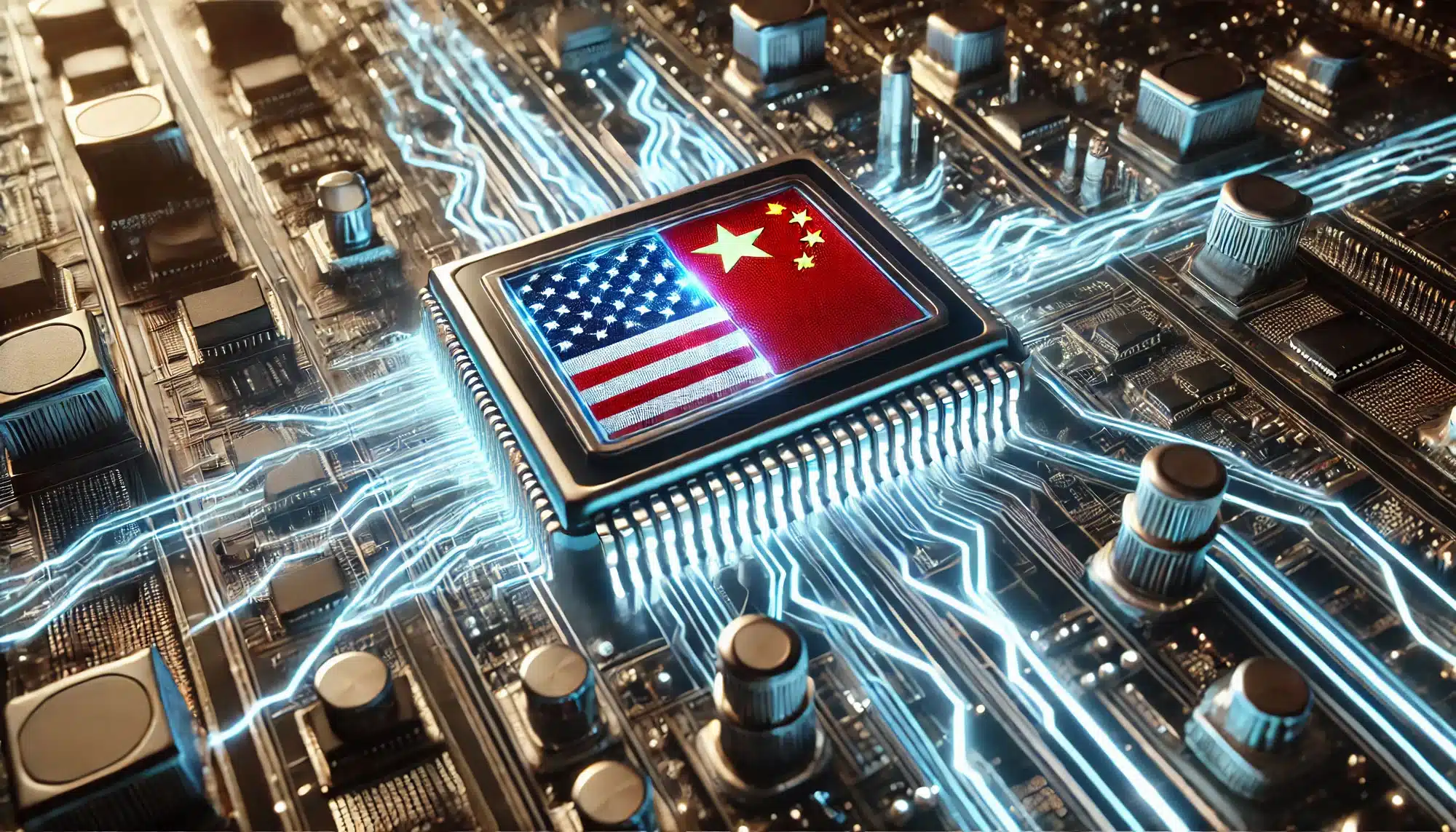
A big change is happening in the US patent system. New data from the United States Patent and Trademark Office shows that AI hardware patent applications have increased significantly. This is one of the recent changes in technology focus. This increase in patents is not a random event. It shows that major tech companies and startups are shifting their investment in innovation. For investors and industry watchers, these patents are signs of where the tech sector is headed.
Understanding the AI Patent Increase in the US
The numbers tell a story. AI patent applications in the US for hardware components have increased significantly over the past 18 months. This growth includes chip designs for machine learning and cooling systems for AI data centers.
According to USPTO filings, the areas with growth are:
- Custom AI chips for specific neural networks
- Memory systems for large language models
- Power management solutions for AI computation
- Interconnect technologies for communication between processing units.
These filings suggest that companies are not just making small changes to existing designs. They are rethinking the parts of the computing infrastructure.
Hardware Innovation is Driving the Next Computing Era
The increase in hardware innovation patents shows that the industry recognizes that software advances alone cannot keep up with AI development. Modern AI systems require significant computing power. This has pushed existing hardware to its limits, creating a need for solutions.
This wave includes not only established companies. AI startups and software companies are also filing patents for silicon design.
The implications for the computing industry are significant. These patent filings show research directions that will likely shape products in the next 3-5 years. They offer a preview of technologies that’re not yet available.
AI Patents in the USA: What Filing Patterns Tell Us
Looking at where and who is filing AI patents in the USA gives us an understanding of the competition. Big tech hubs are still leading the way. We’re seeing more activity from research institutions and corporate labs in areas that weren’t previously very active.
The patents themselves have gotten more complex. Earlier AI hardware patents often focused on improvements that just happened to help with machine learning. Now we’re seeing specialized approaches. Architectures designed specifically for AI applications.
This trend towards specialization suggests that the industry is moving away from a one-size-fits-all approach to AI hardware. Future systems might use specialized processors, each optimized for different parts of the AI workflow.
Hardware Innovation Patterns: A Guide for Investors
For investors watching it, patent filings can be an indicator of what’s to come. Companies that get patent positions in emerging AI hardware areas may gain a big competitive advantage as these technologies take off.
The current surge in filings also highlights supply chain issues. Many of the patented innovations require manufacturing capabilities that are available at only a few facilities worldwide, suggesting that production capacity could become a bottleneck.
Some areas within hardware innovation are particularly active:
- computing components that use light instead of electricity for certain operations
- Advanced packaging technologies that stack multiple chips in new configurations
- Analog computing elements are designed to perform certain AI operations more efficiently than digital circuits
The USPTO’s Modernization Efforts
The USPTO is working hard to handle the increasing volume and complexity of AI-related filings. They’re using AI tools to help examiners find art more quickly and accurately. Which is necessary given the sophistication of the applications.
USPTO Director John Squires recently testified before Congress, saying that “AI tools will become our examiners’ superpowers,” enabling the processing of complex filings.
This institutional adaptation matters for applicants and inventors. Faster, more accurate examination processes reduce uncertainty and help ensure that legitimate innovations receive the protection they deserve.
The Challenge of Secret Prior Art
One complication facing AI hardware inventors is what patent experts call ” prior art”. Applications that have been filed but not yet published. According to analysis, nearly 25% of office action rejections now cite references that applicants couldn’t have discovered at the time of filing.
This challenge is particularly acute in moving fields like AI hardware, where multiple teams may independently develop similar solutions. Companies pursuing AI patents in the USA must account for this uncertainty in their intellectual property strategies.
Strategic Implications for Tech Leaders
The AI hardware patent surge has implications across the tech ecosystem. Companies with patent portfolios gain negotiating leverage for licensing arrangements and potential defensive positions against infringement claims.
For startups, the filing patterns reveal both opportunity and risk. Areas with patent activity may offer significant commercial potential but also present higher barriers to entry. Conversely, gaps in the patent landscape might indicate unexplored opportunities. Or areas that established players have determined are technically unfeasible.
Conclusion
The rise in AI hardware filings seen in USPTO data is more than just bureaucratic busywork. These patents are an early indicator of the technology directions that will define computing for years to come. The patent record is a valuable source of intelligence for investors seeking early signals, for strategists mapping competitive landscapes, and for technologists tracking innovation trends. Today’s data clearly points to a future in which specialized AI hardware will become increasingly central to the technology ecosystem.
Source: Search for patents Uspto