Cupertino, California
Apple continues to advance its efforts to leverage AI-driven computing by rolling out the Apple M5 processor architecture. In a field predominantly focused on cloud- and enterprise-based solutions, Apple has been targeting mobile devices to deliver cutting-edge artificial intelligence performance.
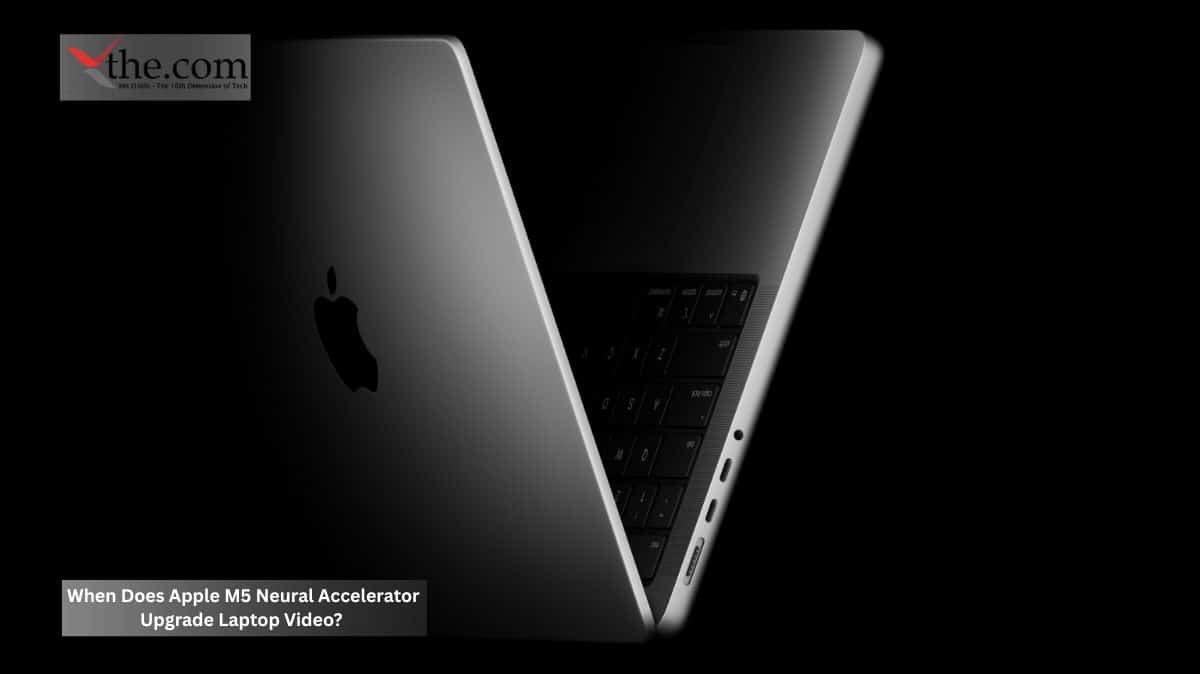
Today, Apple unveiled more details about its recently launched Apple M5 Accelerator chip, which is being used within upcoming MacBooks. According to the company, the new architecture will include dedicated neural processing units built into GPU blocks, enabling laptops to process AI-driven renderings independently.
This move is gaining significant traction among creative users who require desktop-like performance from their mobile devices.
According to Apple, the new system could revolutionize editing workflows for artists and reduce latency issues, including battery life during heavy processing tasks.
Reasons Behind Changes in Laptop Video Rendering Technology
Modern video editing is much more computationally intensive than regular media editing.
These include:
- AI-supported visual effects
- On-the-fly creation of backgrounds
- 8K video timelines
- State-of-the-art motion graphics
- Rendering pipelines in real time
- Automatic scene improvement technology
A number of these processes depend heavily on machine learning, which would usually require high-powered desktop computing or cloud rendering services.
According to Apple, its latest Apple M5 Accelerator design means users no longer need to follow that model, as AI processing can now be performed inside laptop computers.
This enables users to complete complex renderings on their laptops without uploading workloads to servers.
Operation of the Neural GPU System
While conventional graphics systems focus solely on rendering images, the new system integrates dedicated AI accelerators directly into graphics processing chips.
As a result, the system can execute machine learning processes alongside graphical operations.
Apple notes that the system can perform:
- Real-time AI imaging
- Frame localization rendering
- Texture reconstruction via AI
- Motion processing with AI support
- Quick visual effect creation
- Dynamic editing optimization
Neural GPU systems also enhance the interaction between graphical rendering and AI processing systems.
As Apple engineers claim, the architecture was optimized to handle intensive visual computing tasks for professional creatives.
Unified Memory Usage in the M5
One of the major developments in the new M5 chip concerns Apple’s developing Unified Memory system.
Classical computers tend to allocate memory resources separately for CPUs, GPUs, and AI processors. This makes any task more complicated because it requires transferring data between processing units.
Apple’s Unified Memory system lets processors, graphics, and neural engines access the same memory at once.
The company claims that this approach greatly enhances performance in such tasks as:
- Multilayered video editing
- Real-time rendering
- Creation of frames with AI
- Processing massive visual effects
- HD video playback
Apple believes this innovation could help creatives manage heavier loads on laptops.
On-Device LLM Processing Benefits for Creators
Another notable area for discussion is On-Device LLM processing capabilities.
According to Apple, the M5 hardware enables running sophisticated language and image generators locally without relying solely on cloud servers. This lets creators leverage AI-driven technologies even when working offline or with sensitive media assets.
Possible use cases include:
- Subtitles auto-generation using AI
- Local script analysis via AI
- Sophisticated media management solutions based on AI
- Editing suggestions generated by AI algorithms
- Voice processing technologies driven by AI
- Scene identification and recognition algorithms
Moreover, local processing will enhance privacy because all user data would be stored locally, not sent to external servers.
Why Professional Editing Workflow is Important
While Apple has always targeted creative professionals with its Mac platform, AI-powered editing is now changing expectations for mobile devices.
According to the company, the updated Pro Editing Workflow technology is tailored specifically for professionals working on high volume visual projects.
Changes in the workflow include:
- Increased speed of timelines
- No more delays when rendering
- Improved energy efficiency in exports
- Better heat management
- Decreased lag when editing
- AI and video running concurrently
The company states that these advancements may allow it to overcome many of the issues that plagued previous portable creative workstations in terms of speed.
Additionally, the firm stated that AI-powered acceleration will play an increasingly important role in the emerging creative software ecosystems.
Reasons Why Creative Professionals in America Should be Interested
America’s creative industry is booming across all sectors, from video production and content creation to streaming, animation, advertising, and independent films.
Many professionals operate in remote work environments or move around frequently, thus necessitating portable editing systems that offer high-performance capabilities without relying on cloud computing.
Longer battery lives and portability have become key factors among creatives working in outdoor conditions.
According to Apple, the new generation of Apple M5 Accelerators was designed to deliver consistent, high performance with minimal power consumption.
Industry experts feel that the Apple M5 Max Neural Accelerator video editing specs may give Apple an edge over NVIDIA-enabled creator Windows laptops.
AI-Accelerated Creative Hardware in the Future
As we see the spread of AI accelerations within regular laptop products, we observe a general industry trend of bringing AI processing closer to localized solutions.
Rather than being based solely on cloud-based processes, future professional hardware may be equipped with specialized neural networks embedded directly into everyday gadgets.
The recent M5 concept from Apple demonstrates that AI acceleration is seen by the company as an essential element of its future devices.
The incorporation of technologies such as Neural GPU systems and Unified Memory, along with localized AI computing, will transform expectations for mobile creative workstations in the coming years.
Conclusion
Apple’s new M5 approach emphasizes how artificial intelligence is becoming an essential element of creative workflows.
By leveraging AI acceleration in graphics systems and memory, Apple plans to deliver desktop-class graphics performance in its laptop models.
Using technologies such as Apple M5 Accelerator, Neural GPUs, On-Device LLMs, and Unified Memory systems, creators will be able to edit and render visual content more effectively.
Source- Apple Newsroom