





Santa Clara, California
The Exfiltration Problem That Firewalls Alone Cannot Solve
Last year, the FBI’s Internet Crime Complaint Center found that corporate email compromise and data theft cost American companies over $2.9 billion in one reporting cycle. What’s more concerning is that many of these losses stem from data quietly leaving via authorized apps, legitimate cloud storage, and underlying processes that most network architecture teams have never thought to scrutinize.
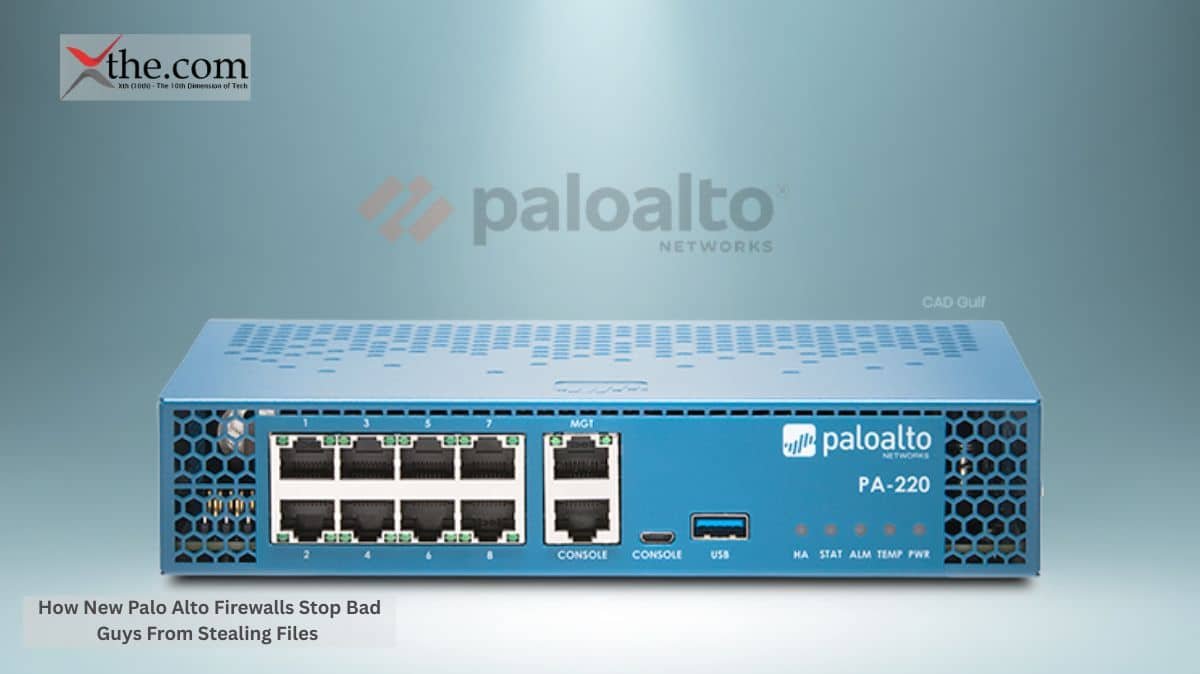
Palo Alto Prisma was created to address this exact threat. Its updated cloud security platform is now getting attention from enterprise security teams that have focused on the perimeter while leaving the inside exposed.
Why Outbound Traffic Became the Blind Spot of Corporate Data Theft
Most organizations spend a lot on filtering incoming threats. Tools like intrusion detection, email sandboxing, and endpoint protection are well established. Outbound traffic, however, receives less attention because teams often assume that connections initiated by employees or apps are safe.
That assumption is no longer true. For example, imagine a contractor with access to a CRM who installs a sync tool on a work laptop. If that tool was compromised months ago, it could quietly copy client contact folders to an anonymous server registered overseas. The data moves in small amounts, just a few hundred kilobytes at a time, to avoid setting off alerts based on volume.
If there’s no traffic inspector at the cloud layer, this kind of data theft can go on for weeks. Standard firewalls just see an outbound HTTPS connection to a cloud service and let it pass. The data is encrypted, the destination seems normal, and nothing is flagged.
This is exactly the kind of attack that the Palo Alto Prisma cloud firewall policy configuration framework is specifically engineered to catch.
How Palo Alto Prisma’s Internal Inspection Architecture Works
The updated Prisma architecture stands out because it inspects traffic from the inside out, not just from the outside in. Instead of only using destination reputation or volume limits, Prisma uses deep packet inspection and looks at behavior in outbound sessions, even when they’re encrypted with TLS.
The cloud security platform achieves this through a combination of SSL/TLS decryption at the inspection layer, application-layer identification that classifies traffic beyond port numbers, and a policy engine that integrates user identity, device status, data type, and destination risk in real time.
When a process tries to transfer a sensitive file, whether via a known cloud storage API or an unknown endpoint, the traffic inspector checks the session against policy rules. These rules consider who initiated the transfer, which device was used, the time, and the destination type. For example, a CFO accessing a SharePoint document from a managed laptop during business hours is much less risky than an anonymous background process sending the same file to an unfamiliar IP address in an unfamiliar country.
Threat Remediation Without Operational Paralysis
A common complaint about strict outbound inspection is that it can slow down real work and cause alert fatigue. Security teams get overwhelmed by false positives, analysts stop investigating alerts, and the detection system becomes less effective over time.
Threat remediation in the Prisma framework handles this through tiered policy responses. Not every suspicious outbound session is blocked right away. The policy engine can quarantine a session, alert a security analyst, request additional authentication from the user, or limit the transfer to a monitored sandbox—all without cutting off the connection. This approach keeps work moving while giving the security team time to investigate.
This network architecture sits within Palo Alto’s larger SASE (Secure Access Service Edge) model, so inspection happens at the cloud edge rather than sending traffic back to a corporate data center. For today’s distributed workforces, this means policies are enforced the same way whether someone works in a Chicago office or from home in Phoenix.
Compliance Mapping and the Policy Configuration Imperative
The Palo Alto Prisma cloud firewall policy configuration framework does not operate effectively out of the box. Organizations have to invest in policy design that reflects their actual data landscape — which file types are sensitive, which destinations are allowed, and which user roles have higher transfer privileges.
Security architects who use Prisma at scale emphasize that the cloud security platform rewards specificity. Broad policies produce broad noise. Narrow, well-defined rules based on real business workflows produce high-fidelity alerts and defensible threat remediation decisions. A law firm handles document transfers differently than a logistics company, and a healthcare provider’s outbound policy is very different from a media agency’s.
The companies that get the most out of Prisma’s inspection features treat policy configuration as an ongoing process. They review the rules every quarter, track changes in new application behavior, and remove old exceptions that accumulate over time.
The Border Guard That Watches Both Directions
Corporate data theft won’t stop just because companies buy better perimeter tools. The threat is already inside. It hides in compromised utilities, overprivileged service accounts, and the general trust that cloud environments place in anything that appears to be normal traffic.
Palo Alto Prisma reflects a shift in security thinking by treating outgoing traffic as seriously as incoming traffic and applying the same careful analysis to both. For security leaders managing more SaaS apps and remote devices, this new approach isn’t optional—it’s now the standard for evaluating all other security investments.
Source: Paloalto