




Cupertino, California
Replacing a timing belt is complicated, with many steps and little room for error. For years, mechanics used bulky manuals, unclear diagrams, and learned by trial and error. Apple thinks there’s a better solution.
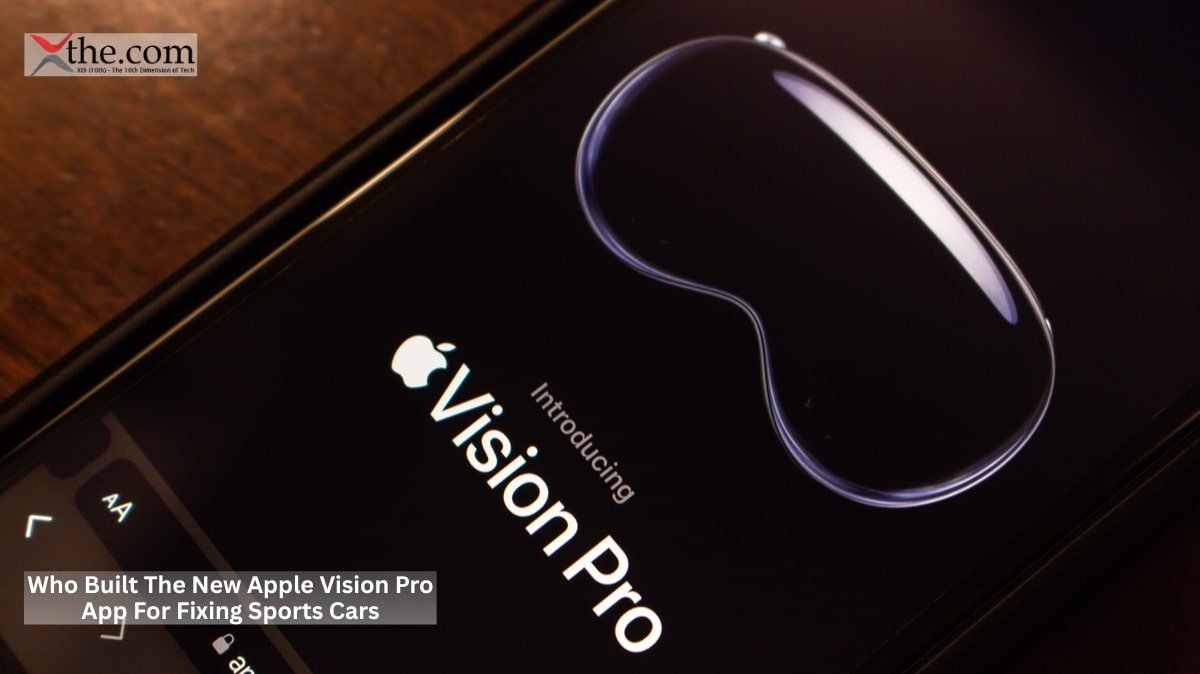
The latest update to Apple Vision Pro introduces a new approach to Fixing Sports Cars, turning the headset into an interactive repair assistant that displays digital instructions directly on the car parts. Instead of searching through manuals or screens, technicians get repair help exactly where they need it, inside the engine bay.
For car fans, students, and professional mechanics in the U.S., this is a clear opportunity. Complicated repairs become easier to follow, quicker to finish, and less overwhelming for beginners.
How the Apple Vision Pro Repair Platform Works
The Apple Vision Pro repair system uses advanced mixed reality tools to blend digital information with real car parts. When a mechanic looks at an engine through the headset, the software spots each part and shows detailed repair guides right on it.
Picture changing a serpentine belt on a sports car. Instead of looking at a separate diagram, the technician sees the belt’s path highlighted right over the pulleys. Arrows show the right order, torque specs pop up next to bolts, and safety tips appear when needed.
This creates an easy-to-use digital interface that reduces confusion and lets users stay focused on the repair.
Apple’s system goes further than basic augmented reality demos. It turns real machines into interactive workspaces, with digital assistance that responds to the technician’s actions in real time.
Why Fixing Sports Cars Is an Ideal Use Case
Modern sports cars fit powerful engines into very tight spaces. Parts overlap, and access points hide under covers, brackets, and cooling systems. Even skilled mechanics sometimes waste time just finding the right part before starting a repair.
This challenge makes fixing sports cars an ideal use case for spatial computing.
Take replacing a fuel injector in a turbocharged engine, for example. With a regular manual, a technician might have to study several diagrams to figure out the right steps. With Apple Vision Pro, the platform highlights the fuel rail, identifies the mounting hardware, and guides the user through each step of removal and installation.
The same idea works for timing belts, fuel pumps, intake systems, and cooling assemblies. By combining visual guides with step-by-step instructions, the software accelerates learning without sacrificing technical detail.
The Role of the Spatial Training Engine
At the heart of the platform is a smart Spatial Training Engine that teaches hands-on mechanical skills through direct interaction.
Traditional auto training often splits theory from practice. Students read instructions before trying repairs on real cars, which may slow down learning and cause confusion.
The Spatial Training Engine bridges that gap by teaching right in the repair setting. Users learn as they work.
For example, a student changing a fuel delivery part might see animations showing how fuel moves through the system. The software can spot common mistakes before they happen and remind users of best practices during the repair.
It’s like having an expert instructor by your side for the whole repair.
Inside the Mechanical Suite Built for Technicians
The repair platform is part of a larger Mechanical Suite built to help professionals with their work.
Inside the Mechanical Suite, technicians can find repair steps, detailed part views, maintenance schedules, diagnostic info, and live instructional overlays. Rather than juggling multiple devices, users get everything in a single spatial environment.
The platform’s digital interface lets mechanics keep their hands free while checking technical data. Voice commands, eye tracking, and gestures mean there’s no need to keep picking up tablets, laptops, or paper manuals.
For repair shops, this feature could boost productivity and reduce interruptions during tough repairs.
Who Built the New Apple Vision Pro App?
Apple showed off the software during its developer updates, but the platform is the result of teamwork between software developers, automotive trainers, and spatial computing engineers. This project shows how Apple Vision Pro is moving beyond entertainment into real workplace uses.
The focus isn’t just on showing information. The aim is to provide smart guidance that knows where the user is looking, which part they’re working on, and which step comes next.
This difference sets the platform apart from regular repair software and makes it a new kind of professional training tool.
Apple Vision Pro Spatial Automotive Repair App User Guide
Anyone searching for an Apple Vision Pro spatial automotive repair app user guide will likely find the platform unexpectedly simple. The headset identifies vehicle components, loads repair procedures, and projects visual instructions directly onto the corresponding parts. Users follow guided steps, confirm finished actions, and receive contextual assistance throughout the repair process.
Using the app appears less like reading a manual and more like working with a skilled mentor who always knows what’s next.
A New Standard for Mechanical Training
Apple Vision Pro’s impact goes beyond car repair. The technology points to a time when mixed reality tools, a strong Spatial Training Engine, a smart digital interface, and a full Mechanical Suite are standard tools at work, not just experimental gadgets.
For Americans starting careers in automotive tech or taking on big garage projects, learning by seeing instructions on real machines could change how people build mechanical skills. As spatial computing grows, the gap between knowing and doing may narrow further, making professional advice available to anyone ready to get to work.
Source: Apple Newsroom