






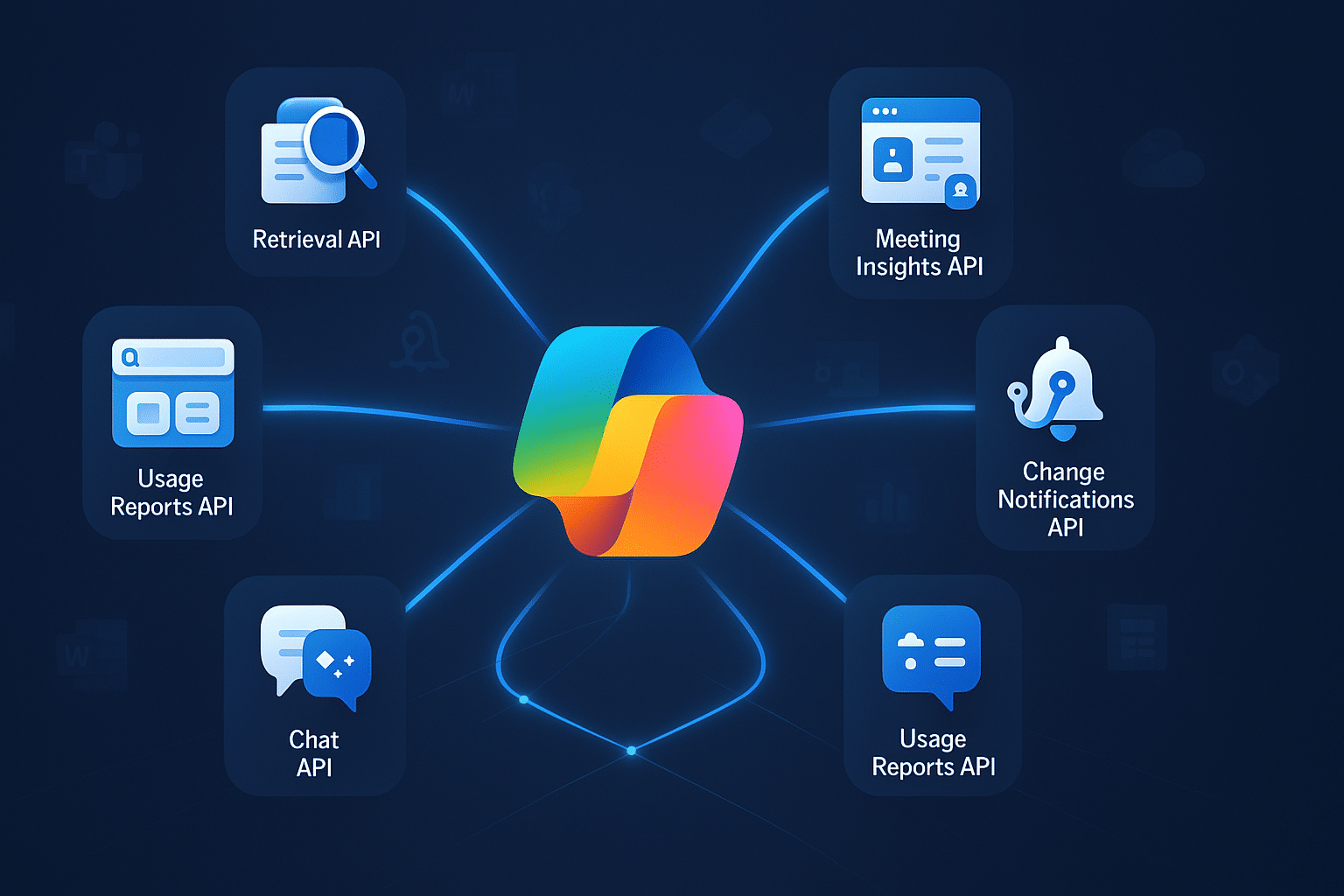
Redmond, Washington: a finance team discovered that one AI feature in its CRM platform raised usage costs by 38% in just one quarter. The issue wasn’t using the tool too much, but how it was priced. This challenge is now central to the debate about the Microsoft Copilot API and its impact on enterprise AI SaaS costs.
What seems like a simple productivity boost is actually changing how companies figure out their return on investment.
The Hidden Math Behind Microsoft Copilot API
The Microsoft Copilot API uses a different pricing model than traditional SaaS licenses. Instead of paying a set amount per user, companies now pay based on how much they use, measured by tokens, requests, and computing power. This change makes it harder to predict costs.
Procurement leaders can’t depend on fixed budgets when choosing enterprise AI SaaS tools anymore. Costs now change with usage, so AI API pricing has become a key strategic issue rather than a mere technical detail.
For example, a mid-sized law firm might initially find document summarization affordable. But as more teams use it, token usage increases rapidly with no limits. A small pilot can soon turn into a major expense.
This is where changes to the Microsoft Copilot API start to affect enterprise ROI in real terms. It becomes a budgeting issue with real financial impact.
From Licensing to Consumption: A Structural Shift
Traditional SaaS models were consistent, with companies paying per user each month. The Microsoft Copilot API changes this by linking costs directly to usage.
This shift changes how executives look at SaaS AI tools. Now, instead of asking how many people will use a feature, they ask how often and how heavily those features will be used.
The implications reach throughout departments. Sales teams using AI-assisted email drafting, financial teams automating reporting, and HR teams deploying AI-powered analytics all contribute to cumulative usage. Every change feeds into the API pricing, forming a dynamic cost environment.
This is where automation comes in. It reduces manual work but also increases API calls. The result is a paradox: being more efficient can actually increase usage and affect ROI.
Enterprise AI, SaaS, and the Productivity Equation
Productivity AI promises to save time, but those time savings need to lead to real business results to make the costs worthwhile.
Consider a customer support operation incorporating Copilot integration into its workflow. Agents resolve tickets faster, cutting average handling time by 20%. On paper, that improvement offsets increased API usage.
But if the number of tickets stays the same and staffing doesn’t change, the financial benefit drops. The company ends up paying more for AI without seeing enough extra value.
This situation makes leaders reconsider how they use enterprise AI SaaS tools. Productivity gains need to go hand in hand with changes in how the business operates, not just with new technology.
Copilot Integration and Workflow Redesign
Copilot integration delivers the most value when companies build new workflows around AI rather than just adding AI to existing processes.
For example, a marketing team might use SaaS AI tools to create campaign drafts. If those drafts still require significant manual editing, the efficiency gains are small. But if the team changes its workflow to cut down approval steps and speed up revisions, the benefits become clear.
This is where enterprise automation serves a key role. Automation increases the benefits of AI by decreasing friction throughout processes. Yet it also increases reliance on Microsoft Copilot API, strengthening the need for disciplined usage management.
If organizations don’t align their procedures with what AI can do, they often see costs rise without better ROI.
AI API Pricing as a Strategic Lever
In the past, pricing discussions focused mostly on negotiating with vendors and securing volume discounts. Now, with AI API pricing, the focus is on how companies can optimize their own usage.
CFOs and CTOs now work together more closely. They review how tools are used, identify costly activities, and implement controls to manage usage. This might mean setting limits on API calls, improving prompt design, and focusing on the most valuable uses.
The Microsoft Copilot API is now more than just a tool. It’s a way to shape business strategy. Companies that manage their usage carefully can keep costs under control as they use more AI. Those who don’t may encounter budget problems.
This change shows why understanding which Microsoft Copilot API changes affect enterprise ROI needs ongoing review, not only a one-time check.
Competitive Pressure and Market Forces
The wider enterprise AI SaaS market is reacting to these transformations. Vendors are experimenting with hybrid pricing models that combine subscription fees with usage-based charges. This helps balance predictability and flexibility.
Meanwhile, competition is growing around productivity AI features. Companies want smooth integration, quick response times, and clear results. The Microsoft Copilot API establishes a high standard and raises expectations for everyone.
For buyers, this brings both advantages and risks. Advanced SaaS AI tools can offer great value, but only if used wisely. If not, costs can rise without better results.
Risk Opportunity And The New ROI Framework
Moving to consumption-based AI offers a new way to view ROI. Organizations need to consider not just what AI can do, but how they can use it.
The risk is in letting usage grow unchecked. As automation spreads, API use can rise quickly. Without good oversight, costs can quickly outweigh the benefits.
But the opportunity is big. Companies that match Copilot integration with their business goals can boost productivity, make decisions faster, and improve customer experiences. These results make the investment worthwhile.
The main challenge is putting these ideas into action. Success comes from thoughtful management of AI API costs and smart use of SaaS AI tools, ensuring technology aligns with business strategy.
Final Thoughts: ROI Becomes a Moving Target
The changes to the Microsoft Copilot API signal a broader shift in how software creates value. Fixed pricing is being replaced by systems where cost and performance change together.
For US companies, this means ROI isn’t set at the time of purchase. It changes over time as they use, manage, and align it with their strategy. Organizations that see AI as a core part of their operations, not just a feature, will get the most value.
The next stage of enterprise AI SaaS adoption won’t be about who uses AI first, but about who manages it most effectively.
Source: Microsoft Agent 365








