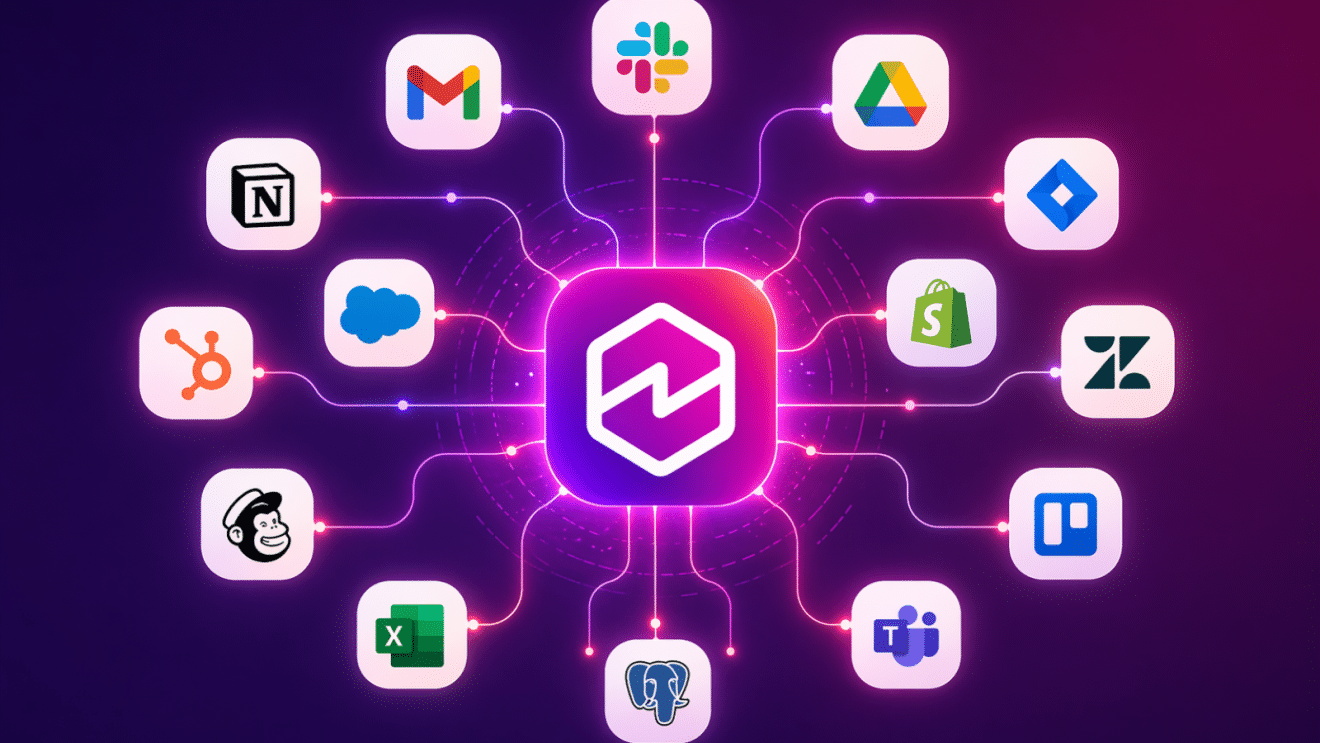
SEATTLE, Wash. — Amazon Web Services has introduced a major shift in its enterprise automation strategy with the rollout of Amazon Quick, a desktop integration framework that enables AI agents to work with legacy desktop software systems.
The update positions AI systems not merely as chatbot assistants but as operational software actors who can use computer vision, workflow interpretation, and authenticated task execution to operate traditional enterprise applications.
The launch will create a major impact on future Amazon Quick deployments while driving the development of Agentic Workspaces throughout enterprise IT environments.
Why Amazon Quick Matters
The introduction of Amazon Quick addresses one of the largest limitations facing enterprise AI adoption: legacy software compatibility.
Enterprise organizations continue to rely on desktop applications that do not support modern application programming interfaces or cloud-based system integrations.
Amazon Quick enables AI agents to interact with existing systems through visual and operational controls that mimic human user behavior in desktop environments.
The system allows organizations to automate all processes and run their operations. Agentic
Workspaces Transform Enterprise Automation
The rise of Agentic Workspaces represents a major evolution in enterprise productivity systems.
Agentic systems differ from traditional automation tools because they can process interface information to make context-based decisions and adapt their operational procedures to new data.
The system enables AI to work across multiple applications simultaneously without interrupting its operational processes.
Agentic Workspaces will cause a fundamental transformation in the management practices of enterprise software environments.
AWS Bedrock Powers the AI Layer
The architecture behind Amazon Quick Connects directly to AWS Bedrock, which serves as the basic AI model infrastructure for enterprise deployments.
Through AWS Bedrock, organizations can combine large language models with multimodal AI systems into their business operations while preserving corporate security measures and governance protocols.
Amazon extends AI capabilities to traditional business systems by integrating Bedrock functions into desktop environments.
The integration expands the range of enterprise use cases that AI agents can support.
Managed Agents Reduce Operational Complexity
Organizations now use Managed Agents to implement their internal AI systems, which fundamentally transforms their deployment methods.
Enterprises now have the option to use centralized AI agents that operate workflows independently, rather than developing their own automation systems from the ground up.
The agents can perform routine business operations, extract information, and operate applications across different software systems.
The demand for scalable enterprise AI orchestration has driven the expansion of Managed Agents.
GPT-5.5 and Multimodal Interaction
The integration framework supports Amazon Quick Connects with modern multimodal AI systems, including GPT-5.5-class architectures. The systems can handle multiple types of input, including text and visual interfaces, workflow logic, and operational data that contains contextual information.
The AI agents use this tool to better understand desktop environments, enabling them to analyze them with greater precision and advanced operational capabilities.
The development of GPT-5.5 multimodal processing systems functions as the core technology that enables software agents to interact with enterprise applications.
Computer Vision Enables Legacy Software Control
The primary technology powering the Amazon Quick solution is its advanced Computer Vision system. The design of many legacy enterprise applications requires AI agents to handle visual data from screen interfaces because these systems do not provide structured APIs.
Computer vision technology enables agents to detect buttons, menus, forms, and the states of interface elements in real time. The system enables organizations to create automated processes in previously closed-off spaces that modern artificial intelligence systems could not access.
IAM Authentication Strengthens Security Controls
The architecture requires IAM Authentication because enterprise deployments require strong identity and access management.
Organizations achieve better control over permissions and operational limits by implementing identity-aware access management into their AI workflows.
The system helps reduce the risks posed by unauthorized automated operations. The importance of IAM Authentication grows as AI agents gain access to more system resources.
Legacy Enterprise Software Gains Extended Lifespan
The main effect of Amazon Quick is a major advantage for businesses, as they can now use artificial intelligence automation without updating their desktop software.
Organizations can keep their current systems running for extended periods while implementing artificial intelligence technologies.
The solution will help decrease migration expenses while maintaining established business processes.
The outcome creates a slow-paced process that businesses can afford to use as their modernization strategy.
Agentic Workspaces Shift SaaS Economics
The emergence of Agentic Workspaces will disrupt the financial model that enterprise SaaS platforms currently use.
SaaS vendors, through their historical development, have used integration and cloud-native accessibility as competitive advantages over rivals. The development of AI agents that can control traditional desktop systems through a visual interface will reduce the need for organizations to switch their entire operations to SaaS solutions.
This creates a new competitive dynamic in enterprise software strategy. The competitive environment now operates through different fundamental principles that organizations must follow.
How Amazon Quick Enables Legacy Software Automation
The broader significance of How Amazon Quick enables AI agents to operate legacy desktop software lies in its potential to bridge decades of fragmented enterprise infrastructure.
AI agents use multimodal reasoning and interface interaction to operate in current software environments without needing expensive redevelopment projects.
The solution has the potential to accelerate enterprise AI implementation across sectors that rely on outdated legacy systems, including finance, healthcare, manufacturing, and government operations.
Conclusion: Enterprise SaaS Enters an Agentic Era
The launch of Amazon Quick by Amazon Web Services marks a pivotal transformation in enterprise software systems, enabling AI technologies to interact with their operational environments.
The development of Agentic Workspaces through its integration components, including AWS Bedrock, Managed Agents, Computer Vision, and IAM Authentication systems, establishes new operational frameworks that merge human-operated software with AI-driven tasks. Enterprise AI systems are currently developing their capabilities through multimodal systems, such as GPT-5.5, which enable organizations to build software agents that interact directly with their existing systems.
The transition enables organizations to use AI-based automation in their operations, transforming their enterprise SaaS strategies by eliminating the need to replace all their existing systems.
Source: AWS News Blog