






Austin, Texas.
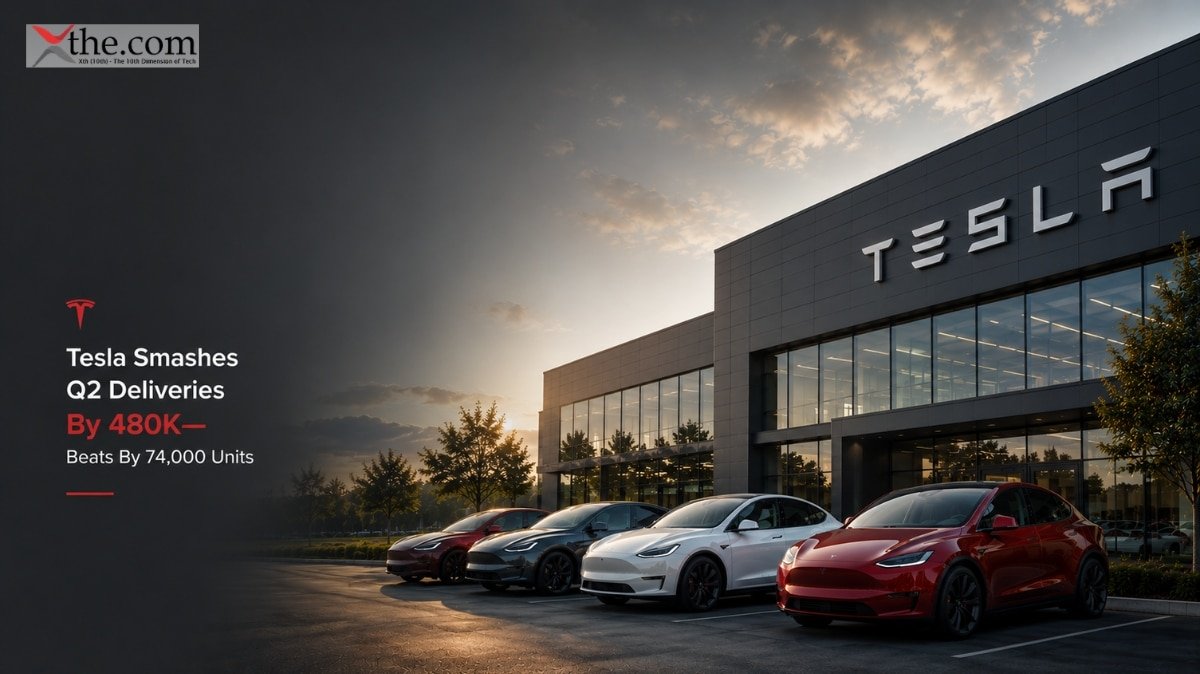
Wall Street expected 406,024 vehicles, but Tesla beat that by 74,000 units. The result was so strong that even optimistic analysts had to recheck their numbers.
Tesla’s Q2 2026 deliveries came in at 480,126 vehicles, a 25% jump from the same quarter last year and the best second quarter in the company’s history. This ends two years of annual sales declines, prompting some investors to question whether Tesla’s growth story was over. It wasn’t. Tesla delivered 480,000 vehicles from factories in Fremont, Austin, Berlin, and Shanghai in just one quarter; this isn’t a minor deviation from expectations. It signals a real shift in demand that surprised Wall Street.
After spending 2024 and 2025 answering questions about whether the electric vehicle market had peaked, Tesla’s latest quarter feels like a strong response. In the first quarter of this year, Tesla delivered 358,023 vehicles, slightly below expectations and prompting some skepticism. Just three months later, deliveries jumped 34%, changing the story around the stock as summer began. For two years, executives explained lower annual numbers by citing model updates, changing incentives, and weaker demand in key markets. This time, those explanations weren’t necessary.
Breaking Down the TSLA Delivery Beat
The TSLA delivery beat was not a small surprise. Tesla’s own forecast was 406,024 deliveries, and Street Account’s independent estimate was 406,600. Even the most optimistic analysts, like those at Goldman Sachs and Barclays, predicted between 418,000 and 420,000 units. Tesla exceeded all of these expectations.
Tesla’s Q2 2026 deliveries of 480,126 beat Wall Street’s 406,000 estimate what investors need to know starts with the mechanics of the number itself. Tesla produced 451,758 vehicles during the quarter but delivered 480,126, indicating the company sold about 28,000 vehicles from existing inventory rather than adding to stockpiles. This is important because selling out of inventory shows strong demand, unlike companies that rely on discounts to clear unsold cars.
The Model Mix
Tesla Model Y Model 3 deliveries accounted for the overwhelming majority of the total, with 467,762 units delivered to customers. The other 12,364 deliveries were from the Model S, Model X, and Cybertruck, which are now grouped as “other models” after the Model S and Model X lines ended this quarter. In short, mass-market vehicles drove the results. Production for these models was 442,936 units, so Tesla sold more Model 3 and Model Y cars than it built during the quarter. This suggests that the recent updates to these models are attracting buyers who had been waiting for new features and a better range.
Why the Stock Fell Anyway
Here’s where the story gets interesting, and where casual observers tend to get confused. Tesla delivery beat July 2, 2026 stock reaction TSLA falls despite blowout numbers explained is the headline that actually mattered to traders on Thursday morning. Despite obliterating consensus estimates, TSLA shares dropped as much as 7.3% in the session following the report.
The reason for the stock drop follows a common Wall Street pattern: buy the rumor, sell the news. Tesla shares had already climbed more than 13% in the four days before the delivery report, as investors expected good news. Once the numbers were out, there was little new upside, so many investors took profits. Adding to the pressure, investor Michael Burry revealed a new short position in Tesla at $416 just before the report, which brought more negative sentiment despite the positive delivery results. By Thursday morning, shares were trading near $396, even though the business news was clearly good.
Cox Automotive had predicted a 20% drop in Tesla’s US sales for the quarter, which makes the delivery beat even more impressive. If US sales fell as expected most of the growth must have come from international markets, especially Europe and China, where Tesla has worked hard to maintain its market share against local competitors.
The BYD Problem Hasn’t Gone Away
No discussion of Tesla’s delivery numbers is complete without addressing BYD vs Tesla EV competition, and the picture here is mixed. BYD delivered 557,090 fully electric vehicles in the same quarter, so it remains ahead of Tesla in global battery-electric sales. However, the trends are different: BYD’s electric deliveries dropped about 8% from last year, while Tesla’s rose 25%. The gap between the two has shrunk from over 220,000 units a year ago to about 77,000 now. Tesla hasn’t overtaken BYD yet, but it is catching up, and this trend is more important to long-term investors than just one quarter’s results.
Energy Storage Quietly Outperforms
While vehicle deliveries dominated headlines, Tesla’s energy division posted its own quiet win. Tesla energy storage GWh deployments reached 13.5 gigawatt-hours for the quarter, up from 9.6 GWh a year earlier and slightly ahead of the 13.3 GWh analysts had penciled in. The business, regularly overshadowed by automotive results, continues compounding at a pace that could eventually rival the car division’s contribution to revenue.
Growth in Tesla’s energy business got a boost in April when SpaceX bought $269 million worth of Tesla Megapacks for its Memphis data center. This deal shows how Elon Musk’s companies are working together on infrastructure. As data centers expand to support AI, they need reliable, high-capacity power storage, and Tesla’s Megapacks are well positioned to meet that demand, no matter what happens with car sales.
What Comes Next
The delivery number is just the start. Tesla’s Q2 2026 earnings on July 22 will provide full financial details, including gross margins, regulatory credit revenue, and operating income. These numbers will show whether the delivery surge leads to real profits or just reflects aggressive pricing to clear inventory. Investors will also look for updates on Cybercab production, the Optimus robotics program, and the progress of Tesla’s Robotaxi rollout. These factors are now more important to the company’s future than just quarterly car sales.
Prediction markets for TSLA are almost evenly divided between a $450 bull case and a $360 bear case as the earnings date nears. This shows that there is still considerable debate about Tesla’s value, even after a strong quarter. The delivery number settled one question, but the earnings report on July 22 will raise new ones. Now, the market will focus less on how many cars were sold and more on how much profit those sales generated.
Source: Tesla stock sinks 7% despite strong deliveries report, posting worst day in nearly a year