




Cupertino, California — June 8, 2026
The last time Apple promised a smarter Siri, it released a digital assistant that still struggled with simple tasks such as giving the weather. That was 2024. Today at Apple Park, the company has another chance, and the pressure inside the Steve Jobs Theater is higher than ever.
Tim Cook is expected to take the platform for what many sources say will be his last WWDC keynote as CEO. This moment is important for both the company and its products. Over a hundred million American iPhone and Mac users will be watching, whether in person, online, or by reviewing updates, to see if Apple has finally delivered on its AI promises.
Apple Park Sets the Platform for an AI Do-Over
Apple Park is far more than just a setting. When it hosts the Worldwide Developers Conference, the architecture sends a message. The circular main building, the neat amphitheater, and the careful design all show that Apple controls what it reveals as carefully as it builds its hardware.
But Apple cannot control the expectations that the developer and consumer communities have already formed. The Apple Worldwide Developers Conference keynote streaming schedule and platform updates have been discussed on technology forums since April, and most people agree: the big news will be a redesigned, AI-powered Siri that acts more like a true conversational assistant built into the operating system.
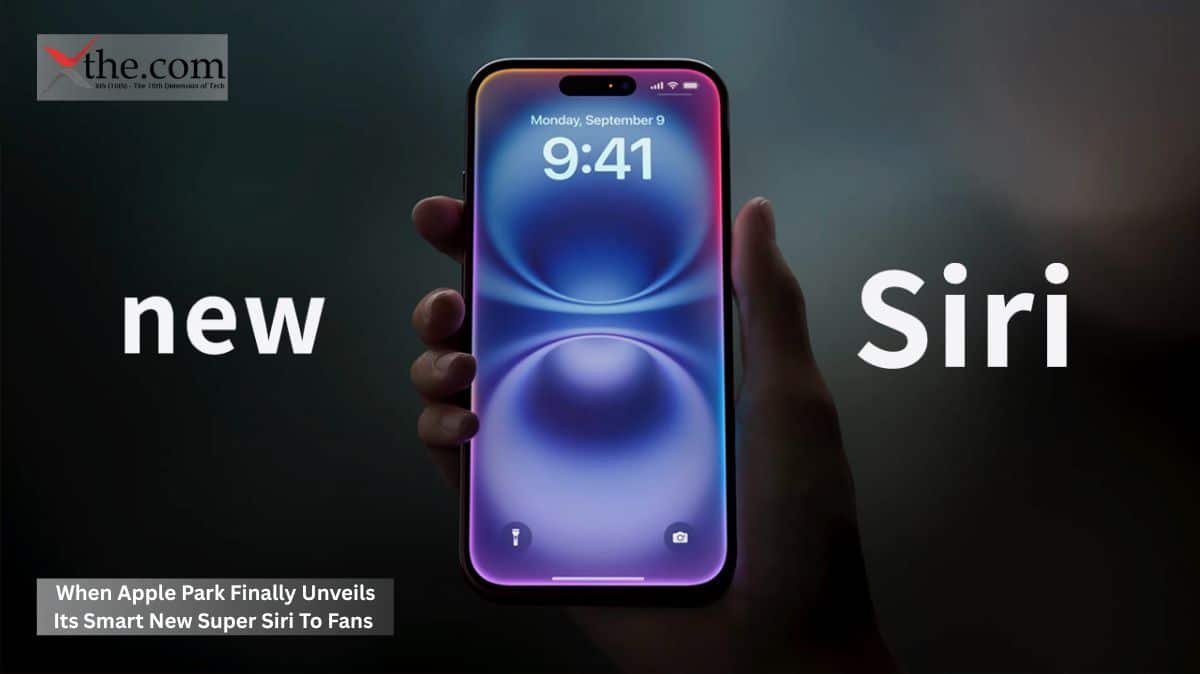
This new version of Siri, which fans are calling Super Siri, is reportedly powered by Google’s Gemini models. If true, this would be Apple’s biggest third-party AI partnership since it added OpenAI’s ChatGPT two years ago. The assistant’s expected to work from the Dynamic Island, use a chat-style interface like iMessage, and handle multi-step tasks across apps without needing to be asked again.
What the iOS 27 Platforms Actually Change for Everyday Users
The software updates go beyond just Siri. The iOS 27 Platforms update includes iPadOS 27, macOS 27, watchOS 27, tvOS 27, and visionOS 27, but the changes to the mobile system will matter most to everyday users.
iOS 27 brings what Apple calls a refined Liquid Glass UI. This new design uses translucent, layered surfaces instead of flat ones. It is a big change from Apple’s usual style and shows that the company sees AI as a core part of the system, not just an extra feature. When your device can read the screen, understand what is happening, and act on your behalf, the interface needs to reflect that.
For about 57 percent of American smartphone users who have iPhones, these changes will alter their daily lives. For example, if a user reads a news story about a flight delay, Super Siri could automatically find their booking, check the rebooking window, and compose a message to the hotel. Apple has promised this kind of smart, cross-app help before. At WWDC 2026 keynote, the company needs to prove it can deliver.
Apple Intelligence Updates: Redemption or Repackaging?
The Apple Intelligence Updates coming with iOS 27 have a lot to prove. The first Apple Intelligence launch in 2024 was widely criticized, not for its ideas, but for poor execution. Some features arrived late, others never came, and the writing tools that did show up were disappointing compared to what competitors offered.
This year, Apple Intelligence Updates are said to go much deeper into the system. Writing Tools now offers full-document reasoning. Image Playground can now generate videos. Most importantly, Siri has what engineers call “on-device memory,” which lets it retain context across sessions without sending sensitive data to external servers. Apple will likely highlight this privacy feature during the keynote.
Both business buyers and regular users want to know if these Apple Intelligence Updates are just small improvements or a real reset. The evidence points to a true overhaul. Bloomberg reported that Apple spent much of 2025 rebuilding Siri’s core systems from the ground up rather than just fixing the old ones.
App Extension Tools and the Developer Opportunity
For the 34 million registered Apple developers worldwide, the new App Extension Tools coming with iOS 27 are a big deal for the future. These tools let third-party apps use Siri’s new features in ways that the old SkillKit framework never could.
For example, a developer making a healthcare app can set up Super Siri to show medication reminders in the right context, even if the app is not open and the user does not know the app’s name. The same idea works for productivity, finance, and logistics apps. App Extension Tools let all iOS apps add context to Siri, making Super Siri more helpful as users add more apps.
This is a different approach from the current model, where Siri mostly acts as a gatekeeper to separate features. Moving toward always-on, context-aware help is the direction mobile apps are heading, and with App Extension Tools, Apple is making it clear it wants to lead the way.
The Streaming Question: Who Watches and How
You can find the Apple Worldwide Developers Conference keynote streaming schedule and platform updates on Apple’s website, the Apple TV app, and YouTube. The keynote starts at 10 a.m. Pacific Time (1 p.m. Eastern) on June 8. Developer sessions continue through June 12 and are available in the Apple Developer app for registered users.
For most people, the keynote is the main event to watch. The later sessions are full of technical details, but Tim Cook’s opening speech, which lasts about an hour to an hour and a half, will set the mood for Apple’s product story for the rest of the year.
The Stakes Are Larger Than One Product Launch
Today’s event also denotes a leadership change, which is unusual for a product launch. John Ternus, Apple’s current VP of Hardware Engineering, will become CEO on September 1, 2026. So, Cook’s keynote is more than just a product reveal; it’s also an important message and a sign of his heritage.
The software and AI choices Cook presents on stage, including the iOS 27 Platforms, Apple Intelligence Updates, App Extension Tools, and the vision for Super Siri, will be what Ternus takes over. If this works, the new CEO will have a strong AI platform. If not, Ternus will have to fix problems it has never faced as a company leader.
One thing is clear this June morning outside the Steve Jobs Theater: Apple can no longer get by with partial success. The market has observed Google add Gemini directly to Android and watched OpenAI move from chatbot to system-level agent. Everyone coming to Apple Park today knows what the competition offers. Super Siri must be better, or at least clearly different in important ways.
The answer arrives at 10 a.m.
Source: Apple kicks off Worldwide Developers Conference on June 8