





Montgomery County, Missouri.
The Quiet Fortress Rising in America’s Heartland
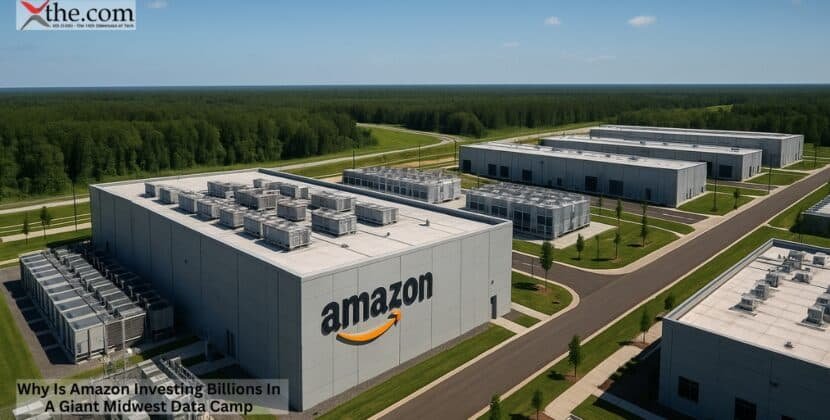
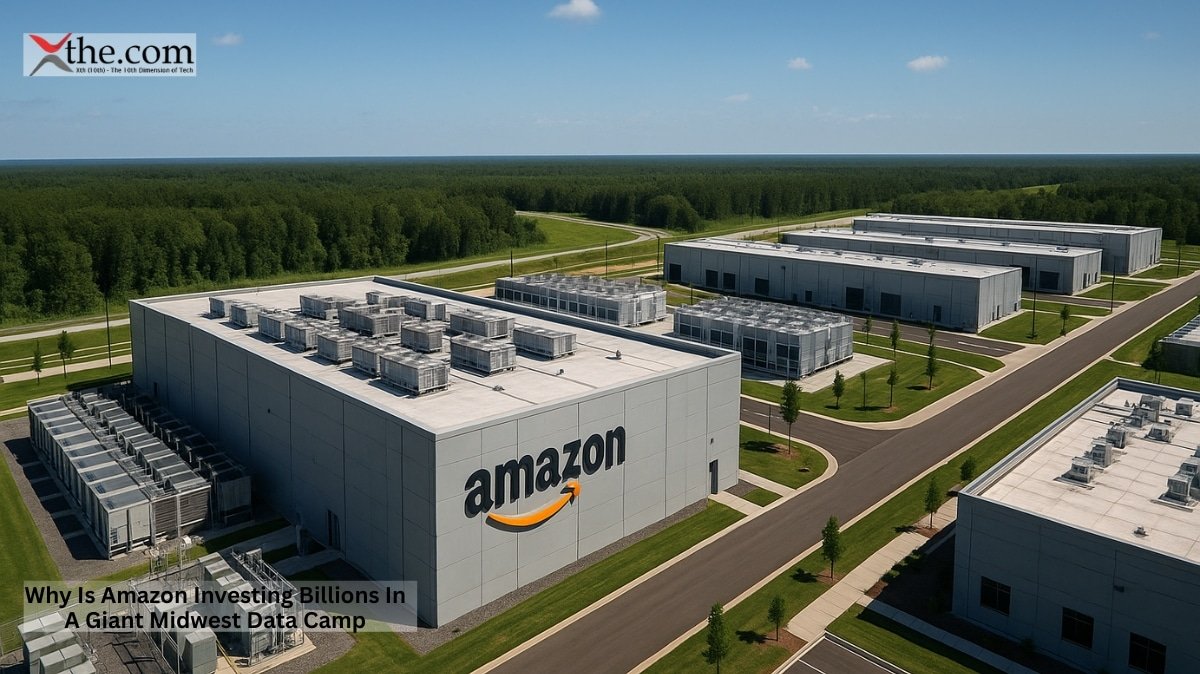
Most people think of data centers as plain warehouses near Seattle, Northern Virginia, or Silicon Valley. That assumption is rapidly becoming obsolete. Amazon Data Center Missouri operations are now taking shape in one of the least expected ZIP codes in the country — rural Montgomery County — and the scale of what Amazon is building there deserves much more attention than it has gotten.
The amount of money Amazon is investing is impressive on its own. Amazon Web Services has set aside billions of dollars for this project, which is much more than most Midwestern counties spend a year. Still, the real story is why they picked this location. Montgomery County was chosen for a reason.
Why Missouri? The Strategic Logic Behind the Location
The first reason is geography. Missouri is close to the center of the continental United States, so the time it takes for information to travel from a server to a user is shorter than if the center were on the coast. This matters a lot when your hospital’s records or your bank’s fraud detection system needs a fast response.
The second reason is safety. Data centers on the coasts face real risks, such as hurricanes, earthquakes, and floods. Montgomery County is geologically stable, not in a flood zone, and far from coastal storms. For a company storing important data, this dependability is valuable.
The Architecture of Isolation: How Amazon Builds a Modern Data Stronghold
This facility stands out for its extra layers of backup at every level. Secure network isolation is a key part of the design. Instead of connecting to public internet exchange points, which is common, Amazon’s engineers have created strict network isolation loops that keep different tenants’ data separate both logically and physically.
This is important for any group that puts sensitive work in the cloud. For example, a government contractor handling sensitive data needs to know its information won’t mix with another tenant’s, even if something goes wrong with the hardware. Secure network isolation makes this a built-in guarantee, not merely a promise in a contract.
The power setup uses the same idea. Amazon has built a separate green energy grid, a private 138-megawatt eco-grid, that powers the campus without relying on the local utility. When the Texas grid broke down in February 2021, data centers on the shared system had to shut down. With its own green energy grid, Amazon avoids that risk by design.
The Amazon Data Center, Missouri, Montgomery County Campus Safety Framework
The Amazon Data Center Missouri Montgomery County campus safety plan addresses a challenge that rarely makes headlines but quietly threatens data center operations across the country: water.
Server racks get very hot. Traditional cooling systems use a lot of city water, which can strain local resources. In places with drought or limited water, this creates a weak spot that backup networks can’t solve.
Amazon’s Missouri data center uses a rainwater collection system to cool its servers. By collecting and reusing rainwater on-site, the center can keep things cool without depleting the local water supply. In a county of about 11,000 people with limited resources, this means the facility works alongside the community instead of competing for water.
The safety design at Amazon’s Missouri data center also includes strong physical barriers, multi-factor access controls at every server row, and backup diesel generators that can keep everything running during power outages. Each layer is designed to handle a different kind of problem, so the center doesn’t rely on a single type of protection.
What This Means for the Data Behind Your Daily Life
The idea of ‘cloud infrastructure’ becomes real when you consider the data it stores. It includes your employer payroll system, your electronic health records, the credit scoring model used for your last loan, and the utility billing system for your water service.
All these systems depend on data centers that must remain up and running, prevent unauthorized access, and withstand both physical and digital threats. The infrastructure safety standards Amazon is using in Missouri are one way to meet this challenge. Choosing a rural inland county suggests the industry is rethinking the risks of overconcentrating data centers on the coasts.
Infrastructure safety isn’t just a box to check anymore. It’s now a key part of how these centers are designed, and Montgomery County is becoming a place to test these ideas.
The Precedent Effect on Rural America
State and local leaders in Missouri are paying close attention to this project because it means more than just economic growth. Amazon’s presence proves something that many rural counties have hoped for: top-level technology infrastructure can work well and make money even far from big cities.
A separate green energy grid, self-sufficient cooling, and enterprise-grade secure network isolation — once bundled together, these capabilities make a rural site functionally indistinguishable from a Tier 4 data center in a big city. If the Missouri campus works as planned, other cloud companies will likely study it closely. The Midwest has land, stable ground, and fiber access needed. What it hasn’t had until now is proof that this model works. Amazon is providing that proof, one server rack at a time.
This bigger change, moving away from putting most data centers on the coasts and focusing more on spreading out infrastructure safely, could end up protecting Americans’ data better than any policy being discussed in Washington right now.
Source: What you need to know about Amazon today: June 23, 2026