





New York, New York | July 16, 2026
A sharp decline in semiconductor stocks would normally send investors rushing out of every risk-sensitive asset. This week, that assumption broke down. While the technology sector absorbed another wave of selling, Bitcoin remained remarkably stable, trading close to Bitcoin $64,000 in July 2026 despite growing pressure across AI-related equities. That resilience is forcing institutional investors to reconsider whether digital assets are beginning to decouple from the technology trade that dominated markets over the past two years.
The market’s changing behavior is especially evident in the growing crypto-AI correlation sell-off, in which companies tied to both cryptocurrency mining and artificial intelligence infrastructure are feeling pressure from both directions at once. Investors are also paying close attention to the emerging link between Bitcoin miners and semiconductor companies, which has become increasingly important as miners diversify into AI computing.
Bitcoin $64,000 July 2026 Questions Traditional Market Assumptions.
Many traders were surprised that Bitcoin held above the key $64,000 level, especially after another tough day for semiconductor stocks.
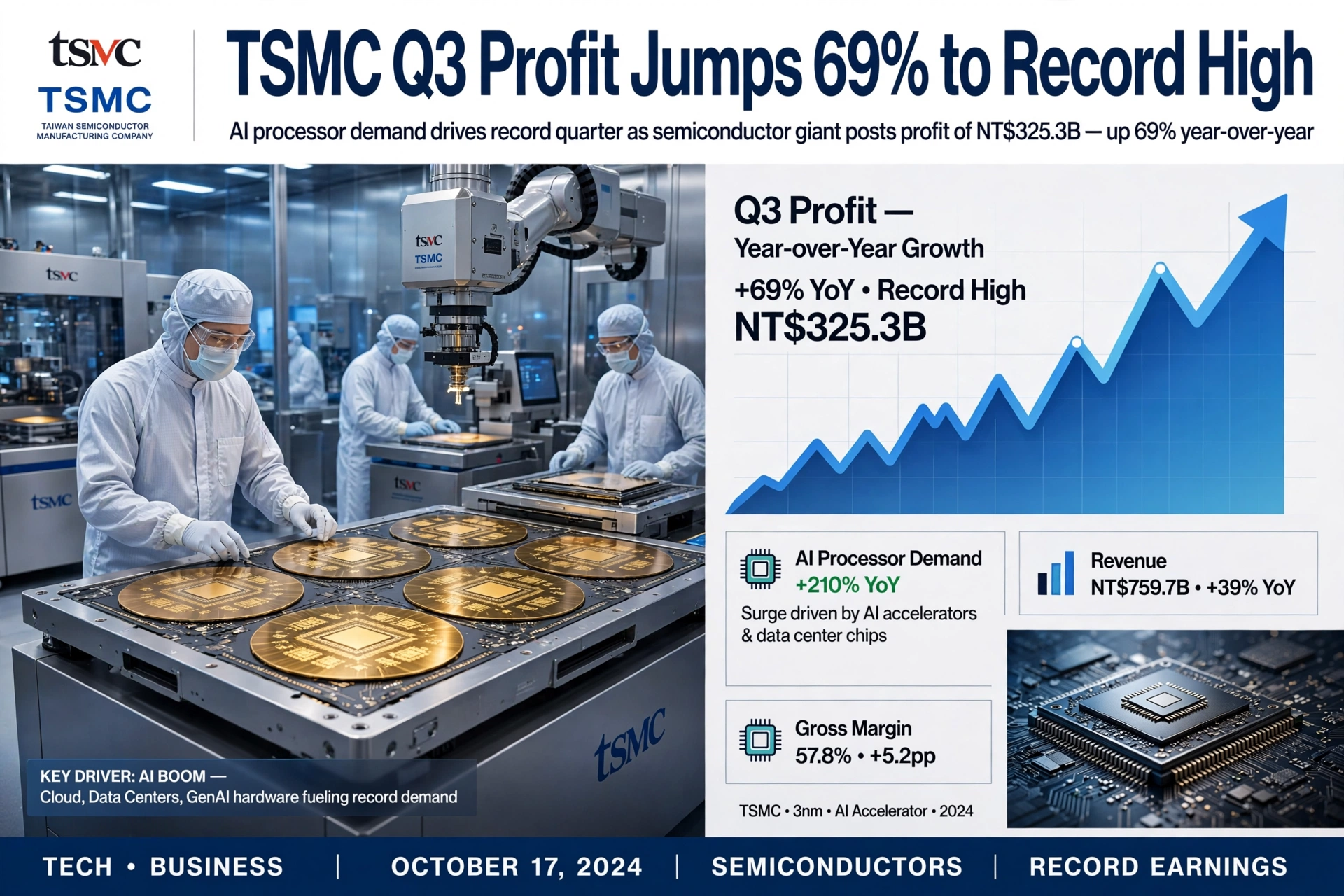
The iShares Semiconductor ETF fell another 4.1% during Thursday’s trading session and now sits roughly SOXX down 20 percent record high reached less than one month ago. Such a rapid correction reflects investors rotating away from the AI stocks that drove one of Wall Street’s strongest rallies.
In the past, Bitcoin usually acted like a high-risk tech stock. When growth stocks fell, cryptocurrencies often did too. Now, that link seems less certain.
Rather than following the drop in semiconductor stocks, Bitcoin has traded within a steady range. This suggests that buyers are still supporting Bitcoin, even as the overall mood in tech stocks gets weaker.
Because of this steady performance, institutional portfolio managers are starting to see digital assets as their own investment category, not just another risky tech bet.
Understanding the crypto AI correlation selloff
The current selloff in both crypto and AI stocks is more about investors having money in both areas, not because Bitcoin itself is weak.
During the AI boom, many large funds invested more in semiconductor makers, cloud providers, GPU suppliers, and public Bitcoin miners. Some mining companies also moved into AI infrastructure, so their portfolios became focused on similar areas.
When excitement about AI began to fade, investors pulled back from the sector as a whole.
This sale didn’t just hit chip makers. It also affected companies running crypto mining operations, especially those investing heavily in AI computing.
The distinction matters.
Bitcoin’s network is still running as usual. The real pressure is on companies that now rely on both crypto markets and AI infrastructure spending.
The Growing Bitcoin miner’s semiconductor link
The Bitcoin miner’s semiconductor link has strengthened considerably over the past eighteen months.
In the past, mining companies mostly relied on crypto prices and how efficiently they could mine. Now, many run advanced computing centers that handle both blockchain tasks and AI projects.
Some large mining companies have turned parts of their facilities into AI hosting centers, renting out powerful computing resources to businesses working on generative AI.
This change helps miners diversify, but it also introduces new risks.
With lower demand for semiconductors and more cautious spending on AI infrastructure, these companies now face risks across multiple industries.
Investors now look at more than just how much Bitcoin miners produce. They also consider data center usage, computing contracts, electricity costs, and the ease of obtaining semiconductors.
This shift is why the story of Bitcoin miners AI data centers is now one of the most closely watched trends in digital asset markets.
Why Bitcoin miners AI data centers Matter
The emergence of Bitcoin miners at AI data centers reflects practical economics.
Mining sites already have important infrastructure like large-scale power, cooling, security, and networking. These features also attract AI companies that need more computing power.
Instead of building new sites, some miners have invested in GPUs and AI hosting services.
This approach has created new ways to earn money and reduced miners’ dependence on Bitcoin mining rewards.
However, investors now see that success relies on both the crypto and AI markets.
If crypto prices drop and AI demand slows, diversified miners could face challenges in both areas simultaneously.
On the other hand, companies that manage to balance blockchain work with AI hosting businesses might become stronger in the long run.
Semiconductor Weakness Changes Market Leadership
The recent drop in semiconductor stocks is one of the biggest declines since the AI rally picked up speed.
The main index now shows SOXX down 20 percent record high, which is considered a bear market correction.
Some investors see this drop as normal profit-taking after big gains.
Others are concerned that company spending on AI might return to normal after a period of heavy investment.
Both views matter for crypto markets, since semiconductor makers remain key suppliers of mining equipment, cloud services, and AI development.
Still, Bitcoin’s sustained performance suggests investors are beginning to view crypto fundamentals as distinct from semiconductor company earnings.
This difference may become even more important during the rest of 2026.
T. Rowe Price TKNZ Crypto ETF Expands Institutional Access.
Another big change is the launch of the T. Rowe Price TKNZ crypto ETF.
This new exchange-traded fund is the company’s first focused cryptocurrency product and gives institutions more options beyond just Bitcoin.
Unlike regular Bitcoin ETFs, the T. Rowe Price TKNZ crypto ETF includes Bitcoin, Ether, BNB, XRP, Solana, and Hyperliquid.
This broader mix shows that investors are interested in a wider range of digital assets, not just Bitcoin.
Portfolio managers now want to invest in blockchain infrastructure, DeFi, payments networks, and smart contract platforms.
The launch also shows that institutions remain confident, even though tech stocks are more volatile.
Big asset managers usually launch new products only if they expect strong, long-term demand from clients.
Institutional Investors Watch Market Rotation Closely
Professional investors are paying closer attention to whether Bitcoin can remain stable while tech firms’ stocks continue to fluctuate.
If digital assets continue to outperform semiconductor stocks during tough times, investors may change how they broaden their portfolios.
Old patterns among assets often change when the market undergoes major shifts.
That possibility explains why analysts continue to observe the crypto-AI correlation sell-off alongside broader equity performance.
More institutions are now involved in Bitcoin through regulated funds, custody services, and ETFs. This gives Bitcoin a more diverse group of owners than in past market cycles.
Market Outlook: Is Bitcoin Becoming More Independent?
The next few weeks will show if Bitcoin’s recent strength is just a short-term change or the start of a lasting trend.
If semiconductor stocks remain weak while Bitcoin holds steady, investors may start to question longstanding ideas about how digital assets and tech stocks are connected.
The expanding role of Bitcoin miners, AI data centers, continued attention to the Bitcoin miners semiconductor link, and new investment products like the T. Rowe Price TKNZ crypto ETF all point toward a cryptocurrency market that is becoming more sophisticated and institutionally integrated.
For investors, the headline is no longer simply “Bitcoin holds $64000 as AI favorite chip stocks fall from favor.” It shows a broader evolution in market structure, in which Bitcoin is gradually forming its own identity even as AI-driven equities undergo a meaningful reset. Whether that independence persists will depend on macroeconomic conditions, institutional capital flows, and the continued maturation of digital asset markets throughout the second half of 2026.
Source: Live updates: Bitcoin holding $64,000 as AI momentum stocks continue to tumble