



Iran’s President Defies US in Defiant UN Speech as Washington Weighs Ending Naval Blockade and Talks Resume
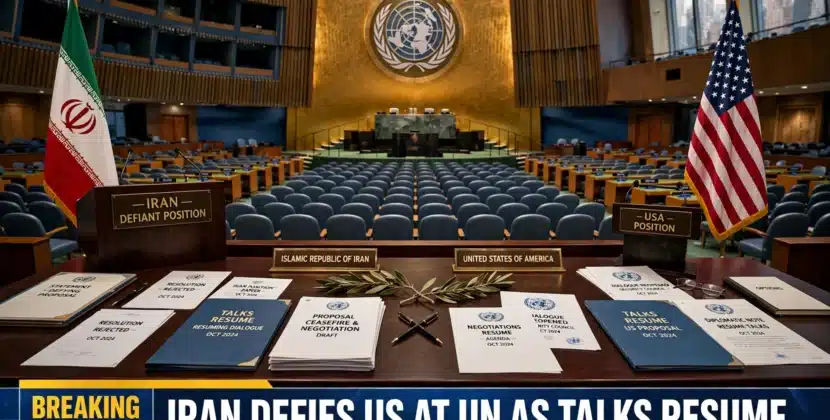
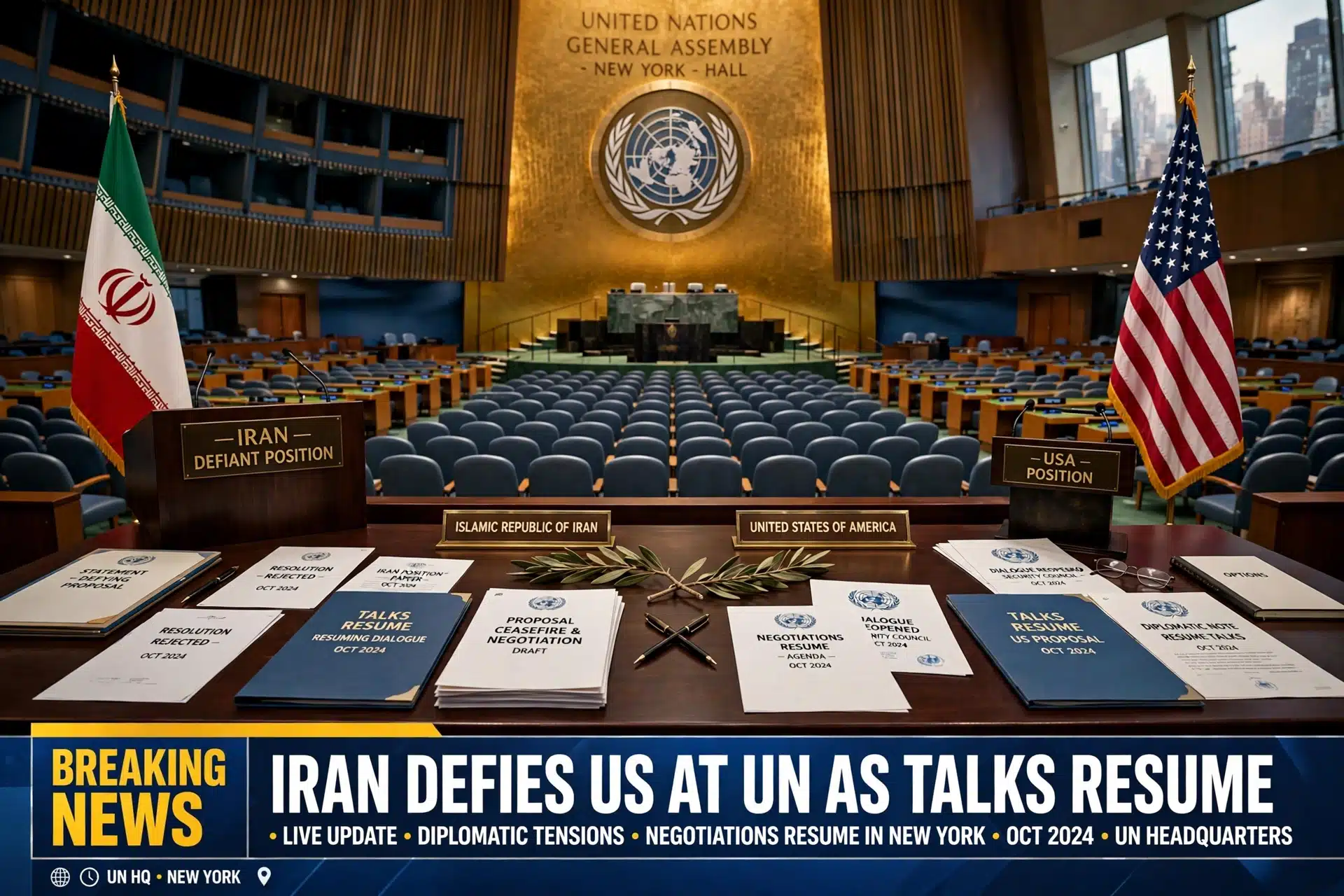
Iran’s president used his United Nations General Assembly platform on Wednesday to declare that Tehran will not be bullied into submission while signaling the country remains open to dialogue, a carefully balanced message that landed as the United States reportedly considers relaxing the naval blockade imposed on Iranian waters. The speech, and the negotiations unfolding around it, mark the most significant diplomatic maneuver in the months-old US-Iran war.
The dual track, defiance at the podium coupled with engagement behind closed doors, reflects how much stakes have shifted. President Trump has openly threatened to annihilate Iran if escalation continued, the military cost to American taxpayers has climbed past $43 billion, and oil markets remain on edge. Against that backdrop, any hint of talks carries outsized importance. Here is what happened, what it means and why Americans should care.
What Iran’s President Said at the UN
In a address designed for both domestic and international audiences, Iran’s president called recent US strikes cowardly and insisted Tehran would not yield to pressure, framing Iran’s resistance as a matter of national sovereignty. Crucially, he paired the rhetoric with an explicit offer to remain open for talks, a signal diplomats in New York interpreted as an invitation for back-channel progress rather than a rejection of diplomacy.
The speech came hours after reporting that Iran is reviewing a US proposal related to the American naval blockade of Iranian waters. The blockade has been one of the war’s central pressure tools, strangling Iran’s ability to export oil and revenue while raising insurance costs for shipping across the region. For Iran, relief from that blockade is arguably the single most valuable concession available, which explains why Tehran is simultaneously posturing and negotiating.
The Blockade: America’s Key Leverage
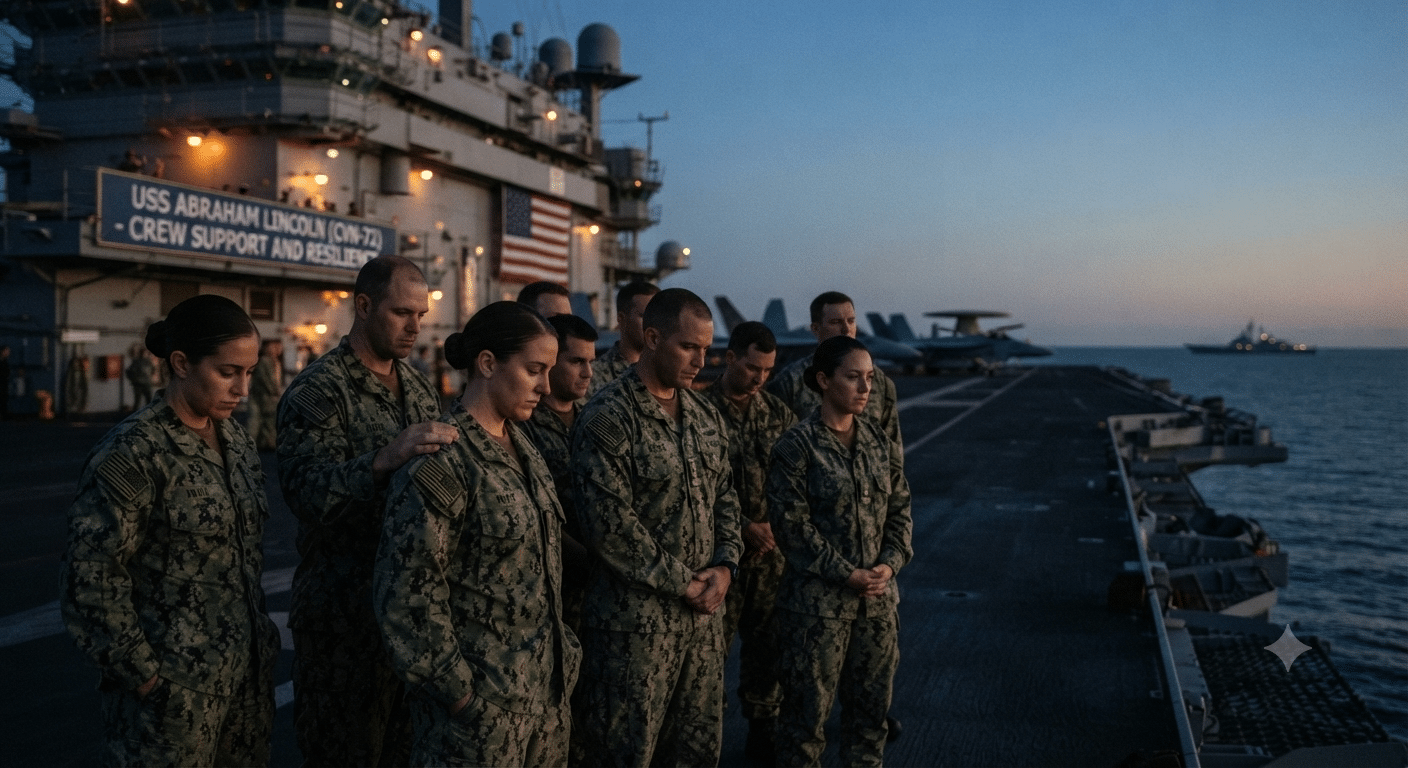
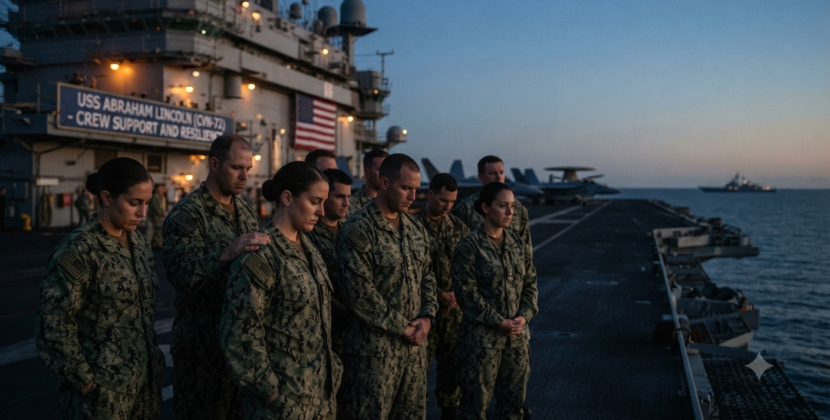
Since the conflict intensified, US naval forces have systematically intercepted Iranian oil shipments, targeting the tanker traffic that funds Iran’s military and proxy network. The strategy has been effective in economic terms but expensive in military ones: the Pentagon’s latest estimate puts the war’s cost at $43.6 billion, with continuous carrier operations, missile defense engagements and mine countermeasures consuming budgets at wartime rates.
Ending or scaling back the blockade would represent a major de-escalation step, essentially trading pressure for progress on nuclear constraints and attacks on shipping. Reports that Washington is even considering it suggest the administration believes a negotiated off-ramp may be achievable before costs escalate further. Critics, however, argue that relaxing the blockade before Iran commits to verifiable concessions would surrender hard-won leverage.
Why Oil Prices and Strait of Hormuz Matter to Americans
The financial link between this war and American household budgets runs through energy. The Strait of Hormuz, the narrow waterway off Iran’s coast, roughly one-fifth of the world’s oil supply transits daily. Any credible threat to close or mine the strait pushes crude prices sharply higher, and those increases show up within weeks at US gas stations and in shipping costs that inflate prices for everything from groceries to airfare.
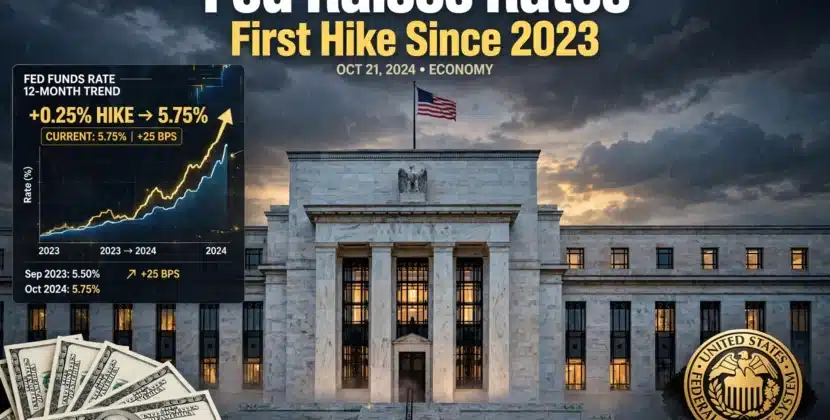
That reality is a major reason diplomacy is accelerating now. Elevated oil prices have contributed to inflation running near 3.4%, complicating the Federal Reserve’s rate decisions and squeezing household budgets. Both governments understand that military momentum alone will not settle a conflict whose economic tremors are felt globally, which is precisely why talks, however tense, are back on the table.
For American families, the practical takeaways are straightforward. Motorists benefit from watching fuel price trends and shopping around, since gasoline prices vary significantly between stations and regions even when crude costs rise uniformly. Households with discretionary income may also consider how energy volatility influences the prices of air travel and shipped goods during the holiday season. Meanwhile, investors often treat oil as a inflation hedge, though analysts consistently warn that wartime price moves can reverse quickly once diplomatic signals shift in either direction.
What Comes Next
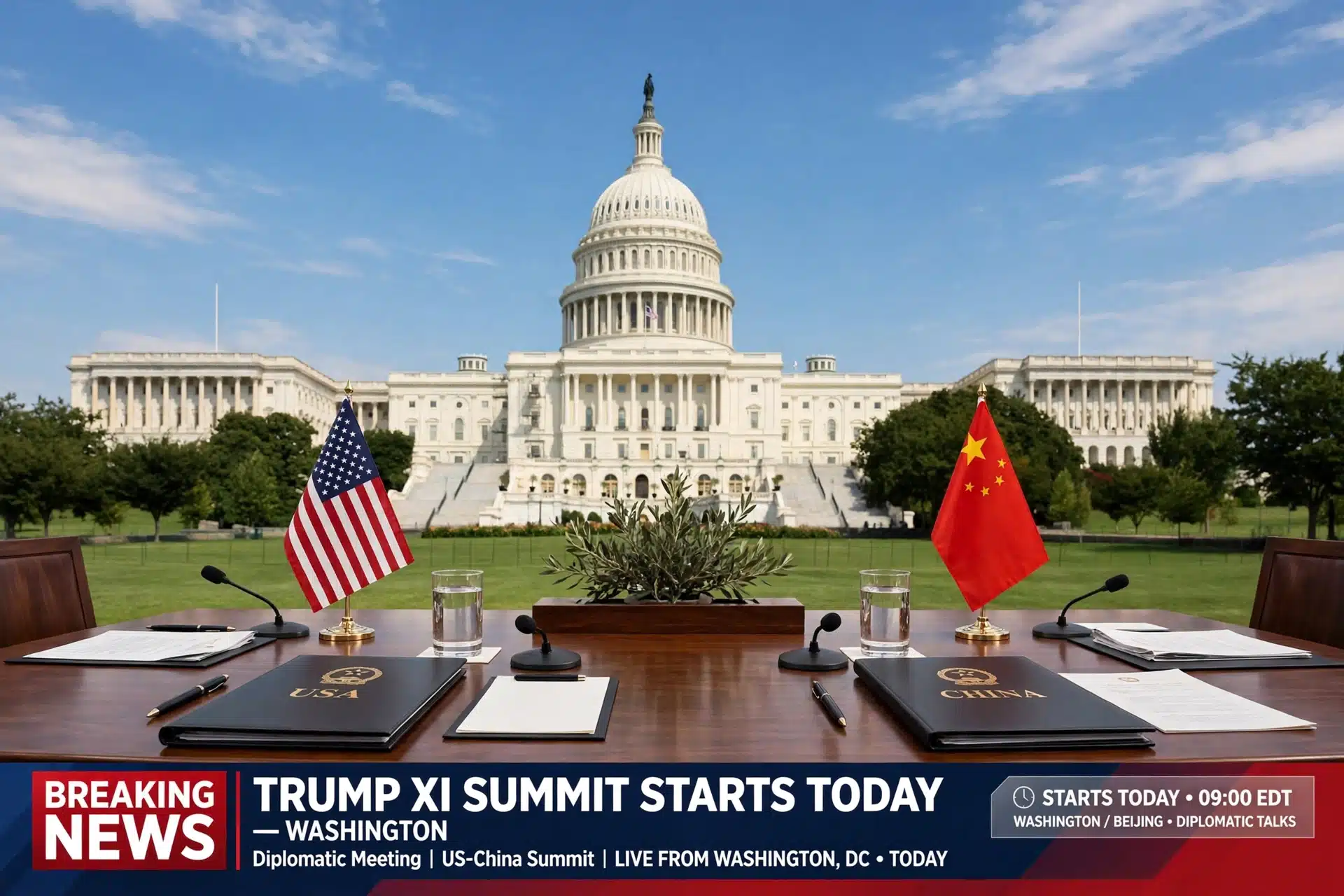
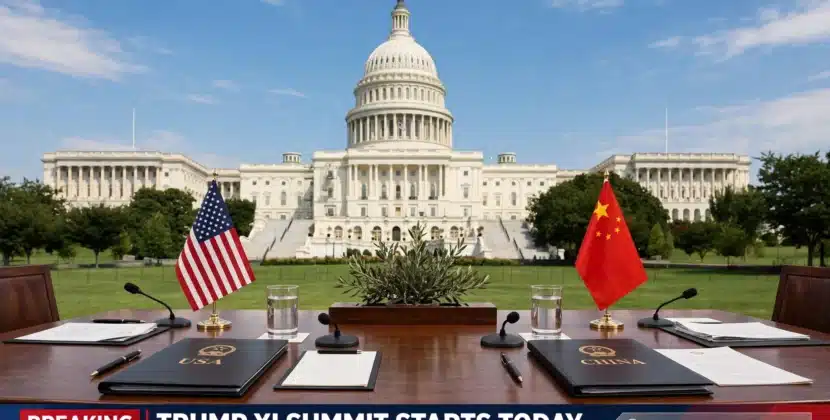
Three developments to watch. First, Iran’s formal response to the blockade proposal, which diplomats expect within days. Second, whether the Trump-Xi summit in Washington produces Chinese pressure on Tehran, since Beijing is Iran’s largest oil customer and a necessary player in any durable arrangement. Third, whether ceasefire discussions expand to include the nuclear file, which has been the war’s underlying cause from the beginning.
For a war that has featured annihilate rhetoric, strikes on tankers and repeated escalations, the current moment carries an unusual texture: both sides are still talking. History suggests public defiance and private negotiation often coexist in the final phases before agreements crystallize. Whether that pattern holds this time will determine not only how the Iran war ends, but what it ultimately costs American lives, dollars and energy bills.
Frequently Asked Questions
What did Iran’s president say at the UN?
He called US attacks cowardly, said Tehran will not bow to pressure, and stated Iran remains open to dialogue while reviewing a US proposal on the naval blockade.
Is the US ending its naval blockade of Iran?
Reports indicate Iran is reviewing a US proposal related to the blockade. No final decision has been announced, and any easing would likely be tied to verifiable commitments.
How does the Iran war affect gas prices in the US?
Threats to the Strait of Hormuz, through which about a fifth of global oil transits, push crude prices higher, raising US gasoline and shipping costs within weeks.
How much has the Iran war cost the US?
The Pentagon’s latest estimate puts the war’s cost at $43.6 billion, covering carrier operations, munitions, missile defense and extended deployments.