




Navy Confirms 8 Sailors in USS Abraham Lincoln Strike Group Attempted Suicide During Extended Iran War Deployment
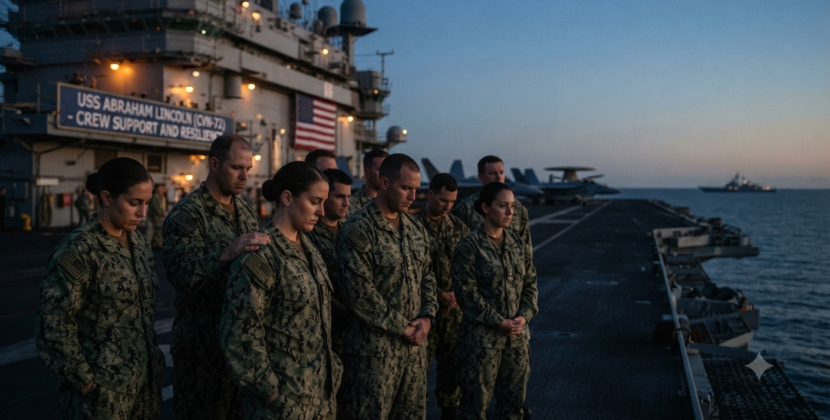
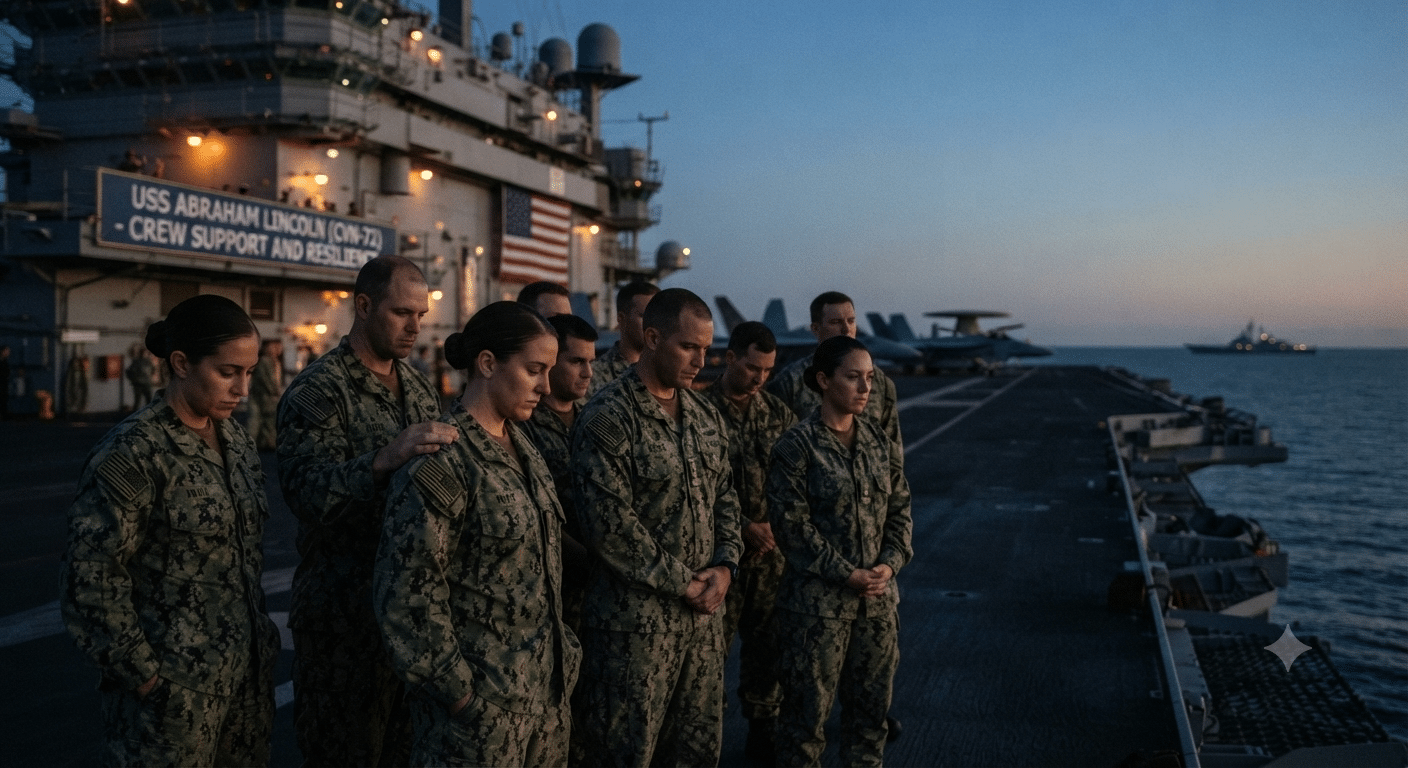
The US Navy has confirmed that eight sailors assigned to the aircraft carrier USS Abraham Lincoln and its strike group attempted suicide during the unit’s lengthy Middle East deployment, a revelation that has intensified scrutiny of military mental health as the war with Iran drags on. Acting Secretary of the Navy Hung Cao disclosed the number in a letter to Congress, pushed out after weeks of online speculation and reporting about deteriorating conditions aboard the carrier.
The disclosure lands at a delicate moment. The Lincoln strike group has been deployed for months in support of operations connected to the Iran conflict, one of the longest carrier tours in recent memory, and sailors, families and lawmakers are all asking how a strain of that length affects the people aboard. Here is what the Navy said, what it did not say and what could come next.
What the Navy Told Congress
Acting Navy Secretary Hung Cao confirmed in his letter that eight sailors in the Lincoln strike group attempted to take their lives during the deployment. The number became public amid viral claims circulating on social media alleging as many as 30 suicide attempts in the strike group, a figure the Navy has not corroborated. Officials characterized the confirmed attempt rate as roughly consistent with the rate across the active-duty Navy in 2024.
That framing has satisfied some analysts and angered others. Critics note that comparing a deployed strike group to the Navy overall can obscure the specific pressures of a combat deployment: months at sea, interrupted sleep cycles, repeated combat alerts from Iranian forces in the Strait of Hormuz, and the psychological weight of operating in a war zone far from home. Lawmakers from both parties have requested additional data, including the timeline of each incident and the resources deployed in response.
Why the Lincoln Deployment Became a Flashpoint
The USS Abraham Lincoln has been at the center of the naval dimension of the Iran war, operating in and around waters where Iran has repeatedly targeted commercial shipping and threatened US vessels. The deployment has been extended multiple times, a common practice when a conflict is active, but extensions have real consequences: sailors miss planned homecomings, families cope with uncertainty and the daily stress load compounds.
In August, two military newspapers published reports describing sailors’ deteriorating mental health aboard the ship, including multiple attempts to jump overboard. One sailor who jumped overboard in a suicide attempt later faced disciplinary charges, a decision that drew sharp criticism from advocates who argue that punishing distress deters others from seeking help. The Navy’s own subsequent confirmation of eight attempts validates the broad picture those reports painted.
The Bigger Military Mental Health Picture
Military suicide remains one of the Defense Department’s most stubborn challenges. Years of studies, task forces and new counseling programs have produced limited movement in the overall numbers, and prolonged deployments are consistently identified as a risk multiplier. Sailors face unique stressors compared with ground forces: extended time away from family, minimal privacy, high-tempo flight operations and, in the current conflict, the constant possibility of combat.
Experts point out that suicide attempts aboard ships are especially dangerous because of means and environment: a jump into open ocean at night is frequently fatal, and medical response time is constrained by the ship’s layout and the distance to shore-based care. This reality is why overboard-attempt reports from the Lincoln drew such attention, and why mental health professionals have urged the Navy to expand shipboard crisis intervention capacity rather than relying primarily on shore facilities.
What Happens Next
Expect three threads to develop. First, congressional oversight: multiple members of the Armed Services Committees have signaled hearings or requests for the full letter and underlying data. Second, policy debate over discipline for suicidal behavior, with advocates pushing the Navy to formally decouple self-harm incidents from punitive proceedings except in clear cases of misconduct. Third, deployment policy: pressure is building to set firmer limits on carrier strike group deployments and to guarantee adequate turnaround time between tours.
The Navy says it continues to invest in mental health resources, including embedded counselors, telehealth options and command climate programs. Whether that proves sufficient will depend on factors Congress can influence: how long the Iran conflict continues, whether the Lincoln finally rotates home and how quickly the service converts promises into measurable support for sailors who spent months at war. For now, the eight confirmed attempts stand as a stark number in an unambiguous message: the human cost of the deployment extends beyond the mission itself.
Frequently Asked Questions
How many sailors attempted suicide on the USS Abraham Lincoln?
Eight sailors in the Lincoln strike group attempted suicide during the extended deployment, according to a letter from Acting Navy Secretary Hung Cao to Congress.
Why was the USS Abraham Lincoln deployed so long?
The carrier strike group has been extended repeatedly to support US operations connected to the war with Iran and security of shipping lanes in the Middle East.
Did the Navy punish sailors who attempted suicide?
At least one sailor who jumped overboard faced disciplinary charges, a move critics say could discourage others from seeking mental health help confidentially.
What help is available for sailors in crisis?
Sailors can use the military’s embedded counselors, the 988 Suicide and Crisis Lifeline by call or text, and the Military and Veterans Crisis Line by dialing 988 then pressing 1.