



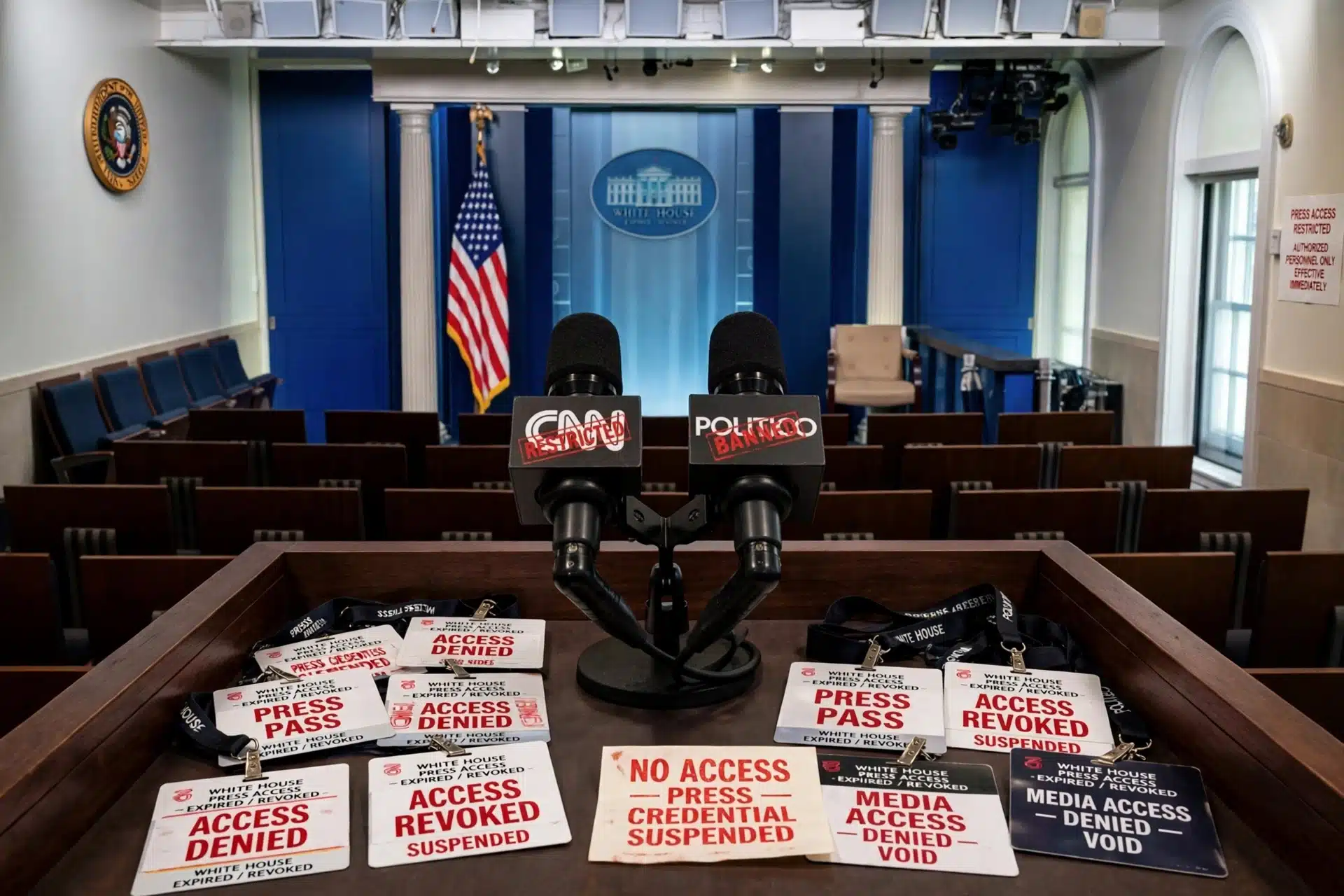
Trump Bans CNN, MS NOW and Politico From the White House as Outlets Sue Over First Amendment Rights
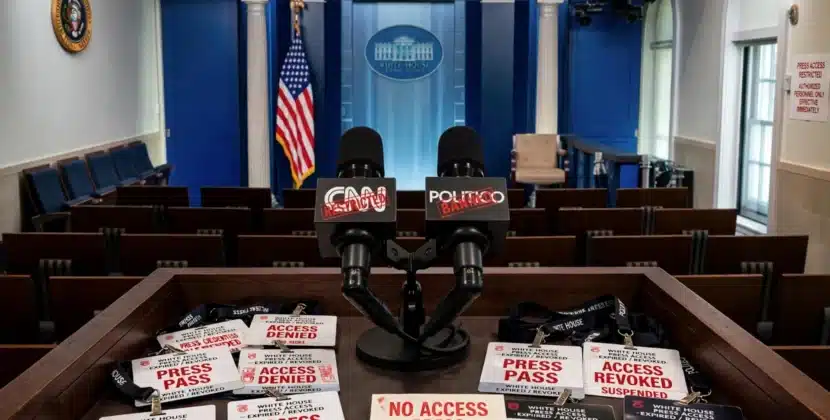
In one of the most dramatic clashes between a sitting president and the press in modern American history, President Donald Trump moved to ban CNN, MS NOW and Politico from the White House on Friday, September 18, 2026. By Monday, September 21, the three news organizations had filed a joint lawsuit arguing that the ban is a direct assault on the First Amendment. Reporters from all three outlets were physically turned away from the White House gates and had their press passes confiscated, marking an escalation in the administration’s battle with what Trump called “fiction and lies” coverage.
The story has become the top trending political topic in the United States, with Americans searching in record numbers to understand what happened, whether the ban is legal, and what it means for press freedom. Here is everything you need to know about the White House press ban and the lawsuit that could reshape the relationship between the president and the media.
How the White House Press Ban Started
President Trump announced the ban on Friday during remarks at the White House, saying he was barring CNN, MS NOW and Politico because of unfavorable coverage. “We are banning them because they report fiction and lies,” Trump said. Within hours, White House staff began enforcing the directive. Journalists from the three outlets who arrived for weekend coverage were stopped at the gate, and their hard passes were confiscated on the spot.
The move was not entirely unexpected. The administration had spent months ratcheting up pressure on news organizations it viewed as hostile, limiting access, restricting seating in the press briefing room, and threatening credentials of individual reporters. But an outright ban of three major outlets at once was without modern precedent, drawing immediate comparisons to press restrictions seen in authoritarian countries rather than in the United States.
The Lawsuit: What the Outlets Are Arguing
On Monday, CNN, MS NOW and Politico announced a joint lawsuit against the Trump administration. The complaint argues that the ban is a direct assault on the First Amendment and a blatant violation of due process. Lawyers for the outlets contend that the White House press pass system has historically been regulated by neutral criteria, and that punishing specific organizations for their editorial coverage crosses a bright constitutional line.
“The President’s ban of CNN, MS NOW and POLITICO from the White House is a direct assault on the First Amendment and a blatant violation of due process,” the outlets said in a joint statement. Legal scholars say the core question is whether the White House press pool functions as a limited public forum, which would give reporters strong protections against viewpoint-based exclusion.
The lawsuit is expected to move quickly given the constitutional stakes. Courts have ruled on press credential cases before, most notably in Sherrill v. Knight in 1977, where a federal appeals court held that the White House must provide standards and procedures for revoking press credentials. The three outlets argue that this ban fails even that basic test because no neutral criteria were applied.
Why the White House Press Pool Matters
Many Americans may wonder why access to a small press pool matters so much. The White House press pool is a rotating group of roughly a dozen reporters who cover the president’s daily movements, from Oval Office meetings to aircraft boarding on the South Lawn. Their reports feed hundreds of newspapers, TV stations and websites that cannot send a staffer to Washington every day.
When three of the most widely syndicated political outlets are locked out, the practical effect is that millions of Americans lose direct observational coverage of the executive branch. Broadcasters and local papers that rely on pool reports must now depend on secondhand accounts, reducing the diversity of firsthand reporting on presidential activity.
Reaction From Journalists, Lawmakers and the Public
The reaction has been fierce and largely bipartisan in its concern among press freedom organizations. The White House Correspondents’ Association called the ban “unprecedented in modern times” and said it threatens the public’s right to know. Reporter unions and journalism advocacy groups have pledged amicus support for the lawsuit.
Republicans, meanwhile, have largely stood behind the president, with several allies arguing that CNN, MS NOW and Politico retain other avenues to cover the administration and that no outlet has a constitutional right to a White House pass. Democrats and independent lawmakers have called the ban a dangerous precedent that could be weaponized by future presidents against conservative media if the courts allow it to stand.
Public reaction on social media has been divided along familiar lines, but one point of broad agreement is the historical significance of the moment. Searches for “White House press ban lawsuit” and “can a president ban reporters” spiked over the weekend, making this one of the most searched political explainers in the country on Monday.
What Happens Next
The immediate next step is a court filing seeking an emergency order to restore the outlets’ credentials while the case proceeds. Legal experts expect the administration to argue that the president has broad discretion over who enters the White House, a position that has historically been asserted but rarely tested at this scale.
If the court grants an emergency reinstatement, reporters could be back inside the briefing room within days. If the court declines, the case will move through the district court and likely reach an appeals court before any final ruling. Either way, the outcome will set a major precedent for press freedom in the United States.
Why This Story Matters to Americans
Press freedom is not an abstract concern. The ability of independent journalists to observe and question the president directly is one of the mechanisms the Founders relied on to keep power accountable. Regardless of political leaning, most Americans say in polling that they oppose government officials punishing media organizations for their coverage. This story will shape how news is gathered at the highest level of government for years to come, which is exactly why it is dominating search trends across the country right now.
Frequently Asked Questions
Why did Trump ban CNN, MS NOW and Politico?
President Trump said he was banning the three outlets because of what he called unfavorable and dishonest coverage, accusing them of reporting “fiction and lies” about his administration.
Is the White House press ban legal?
That is exactly what the lawsuit will decide. The outlets argue the ban violates the First Amendment, while the administration is expected to claim broad presidential discretion over White House access.
What is the White House press pool?
The press pool is a small rotating group of reporters who cover the president’s daily activities on behalf of hundreds of news organizations that cannot maintain a full-time Washington presence.
Which outlets were banned from the White House?
CNN, MS NOW (the successor to MSNBC) and Politico were all barred from the White House beginning September 19, 2026, and their reporters had press passes confiscated at the gate.