




Judge Signals Rejection of TikTok Privacy Settlement as $400M Deal Hangs in the Balance
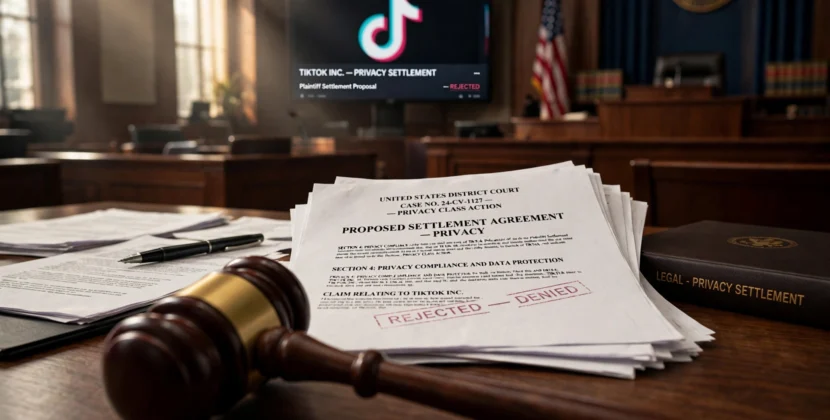
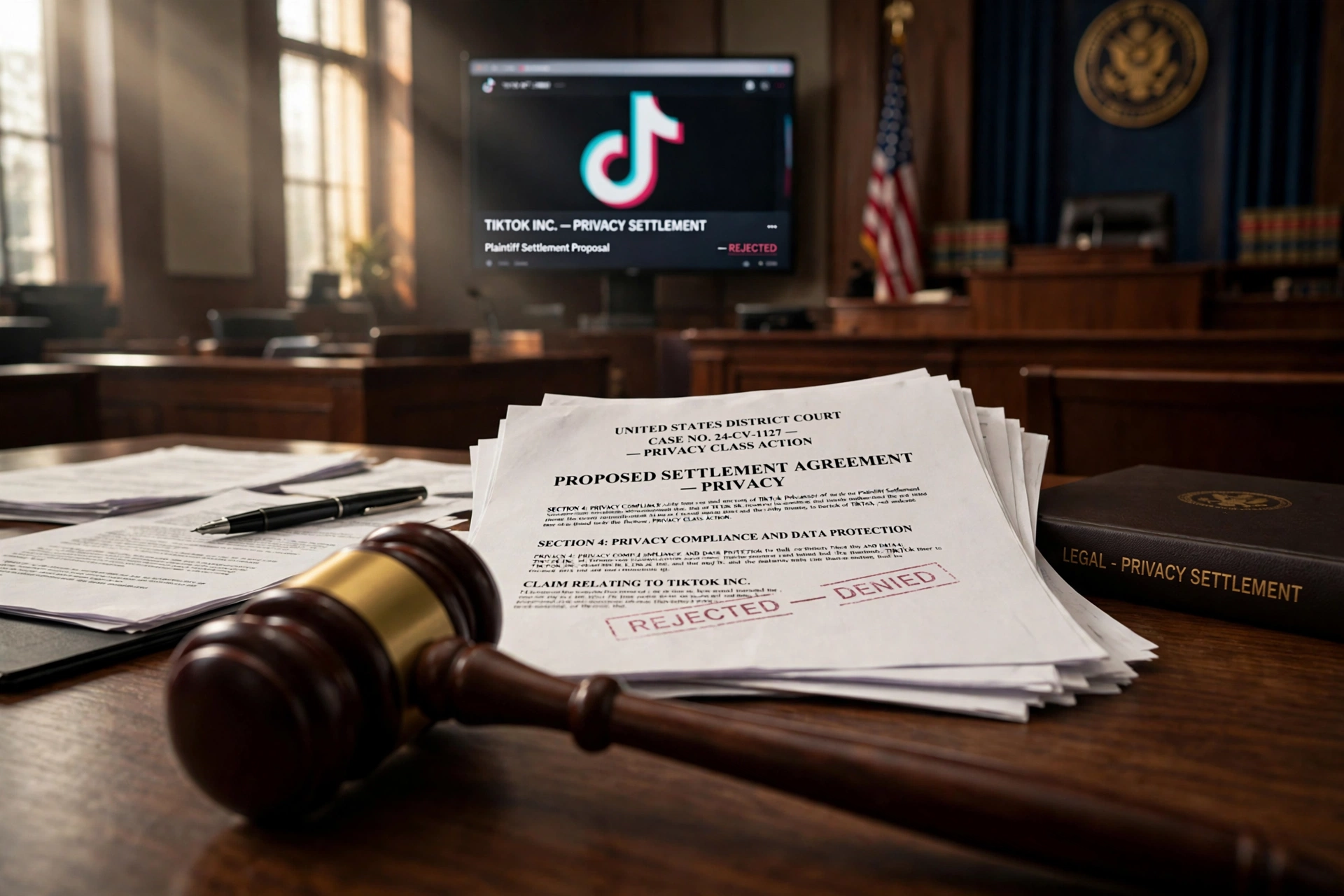
A federal judge in Los Angeles has signaled that he is inclined to reject a key component of TikTok’s proposed $400 million privacy settlement with the U.S. Department of Justice, creating a new legal obstacle for the social media giant and casting doubt on the resolution of one of the largest children’s privacy cases in American history.
What the Judge Said
U.S. District Judge George H. Wu indicated during a hearing on September 19 that he was skeptical of TikTok’s request to vacate a 2019 consent decree that had been imposed by the Federal Trade Commission. The consent decree was established after the FTC found that TikTok’s predecessor, Musical.ly, had violated the Children’s Online Privacy Protection Act (COPPA) by collecting personal information from children under 13 without parental consent.
Under the proposed settlement announced in August, TikTok agreed to pay $300 million immediately and an additional $100 million upon entry of an order vacating the consent decree. Judge Wu’s reluctance to vacate the decree could jeopardize the second $100 million payment and force TikTok to continue operating under the restrictive terms of the original order.
The settlement as structured assumes that the consent decree will be vacated, and that is not something I am prepared to do at this time, Judge Wu said during the hearing. I have serious concerns about whether the terms of this settlement adequately protect the interests of children.
Judge Wu scheduled a follow-up hearing for October to give both sides an opportunity to present additional arguments and evidence.
The Background
The case dates back to 2019, when the FTC fined Musical.ly, now known as TikTok, $5.7 million for violating COPPA. The consent decree required TikTok to implement strict privacy protections for children under 13, including obtaining verifiable parental consent before collecting personal information and deleting data collected from young users.
In 2024, the Department of Justice filed a new lawsuit against TikTok, alleging that the company had continued to violate COPPA despite the consent decree. The DOJ claimed that TikTok was still collecting and retaining personal information from children under 13, including names, email addresses, and geolocation data, without obtaining proper parental consent.
TikTok disputed the allegations and argued that it had made significant improvements to its privacy practices since the original consent decree was established. The company said the $400 million settlement represented a fair resolution that would allow it to move forward with improved privacy protections.
Why It Matters
The TikTok case is being closely watched by privacy advocates, technology companies, and regulators because it sets important precedents for how COPPA is enforced and how settlements in children’s privacy cases are structured.
If Judge Wu ultimately rejects the request to vacate the consent decree, it would send a strong message to technology companies that courts will not lightly dismiss existing privacy orders, even in the context of a negotiated settlement. It would also establish that consent decrees can serve as a continuing check on corporate behavior, rather than being treated as one-time penalties.
This is a watershed moment for children’s privacy law, said Marc Rotenberg, founder and president of the Center for Digital Democracy. If the court holds TikTok to the terms of the original consent decree, it will set a precedent that other companies will have to take seriously.
The case also highlights the growing tension between the need to protect children online and the business models of social media companies, which rely heavily on data collection and targeted advertising. TikTok, which has more than 170 million users in the United States, generates billions of dollars in revenue each year from advertising, much of it targeted at young users.
TikTok’s Response
TikTok expressed disappointment at Judge Wu’s signals but said it remains committed to resolving the case. The company emphasized that it has invested hundreds of millions of dollars in improving its privacy practices and that it has implemented robust systems to prevent children under 13 from accessing the platform.
We believe the settlement represents a fair and comprehensive resolution that addresses the government’s concerns while allowing us to continue providing a safe and creative platform for our users, a TikTok spokesperson said. We look forward to presenting our case at the October hearing.
The company also noted that the settlement has been endorsed by the DOJ and that Judge Wu’s concerns are focused on a specific technical aspect of the deal rather than the overall merits of the settlement.
The Broader Context
The TikTok case comes at a time of heightened scrutiny of social media companies and their impact on children’s mental health and privacy. In recent years, Congress has introduced multiple bills aimed at strengthening children’s online privacy protections, and several state governments have passed their own laws restricting the collection of data from minors.
The Federal Trade Commission has also been more aggressive in pursuing enforcement actions against technology companies. In 2025, the FTC reached a $5.2 billion settlement with Meta over allegations that the company violated children’s privacy on Instagram and Facebook, the largest COPPA settlement in history.
The TikTok case adds to a growing body of evidence that the technology industry’s self-regulatory approach to children’s privacy has failed, said Josh Golin, executive director of Fairplay, a nonprofit organization focused on protecting children from predatory marketing. Courts and regulators are finally stepping in to hold these companies accountable.
What Comes Next
The follow-up hearing scheduled for October will be a critical moment for the case. Both sides are expected to present detailed arguments about whether the consent decree should be vacated and whether the settlement terms are adequate to protect children’s privacy.
If Judge Wu ultimately decides not to vacate the consent decree, TikTok will face a difficult choice: accept the $300 million payment and continue operating under the restrictive terms of the original order, or walk away from the settlement entirely and face the possibility of a trial that could result in much larger penalties.
For now, the case continues to work its way through the courts, with the outcome uncertain but the stakes higher than ever. The decision will have far-reaching implications for how technology companies handle children’s data and how courts enforce privacy protections in the digital age.