





Lilly Retatrutide Trial Outperforms Ozempic in Diabetes Study
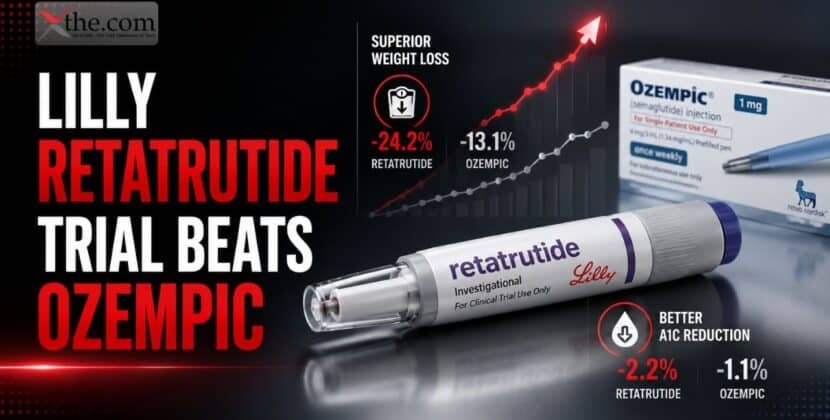
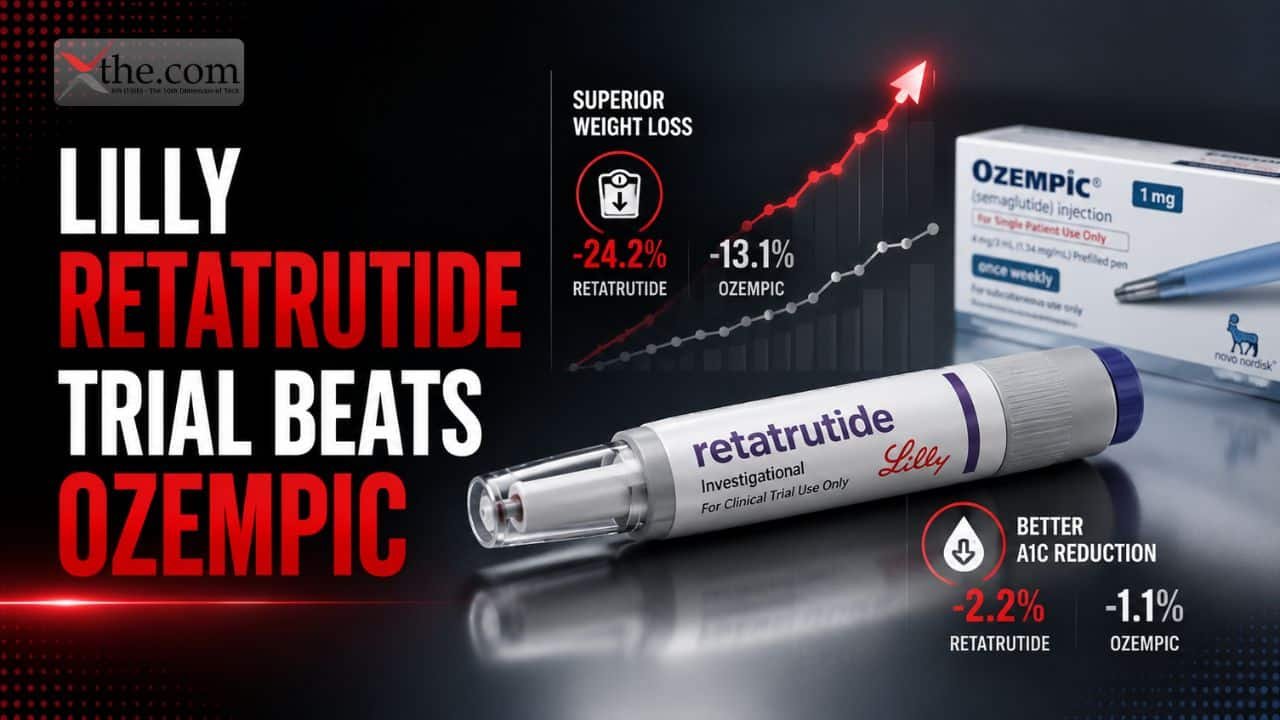
Eli Lilly said on October 28, 2026 that its once-weekly experimental drug retatrutide beat Ozempic head-to-head in a late-stage trial in adults with type 2 diabetes, delivering about double the A1C reduction and more than twice the weight loss of the Novo Nordisk drug at its highest approved dose. Retatrutide is still investigational and not FDA-approved, but the results pressure Lilly’s biggest rival in the US weight-loss and diabetes market. Here are the numbers and what they mean.
Key Takeaways:
- – Over 80 weeks, retatrutide lowered A1C by an average of 2.2 points versus 1.8 points for Ozempic at its highest approved dose.
- – Participants lost an average of 44.3 or 47.4 pounds on retatrutide, depending on dose, versus 20.9 pounds on Ozempic.
- – Retatrutide targets three hormone receptors (GLP-1, GIP, and glucagon); approved incretin drugs target one or two.
- – The drug remains experimental; Lilly will present more detailed results at a later scientific meeting.
- – Head-to-head wins against semaglutide strengthen Lilly’s position in the US GLP-1 market.
These are topline results from one trial. This article is informational only and is not medical advice; treatment decisions belong with a clinician.
What the Lilly retatrutide trial measured
The trial enrolled adults with type 2 diabetes and compared retatrutide against Ozempic, the semaglutide injection Novo Nordisk sells for diabetes. The headline matchup matters because Ozempic is the incumbent that established injectable incretin therapy as a mass-market treatment, and beating it head-to-head is the standard a competitor must clear. Over 80 weeks, the once-weekly retatrutide injections lowered average A1C, the three-month measure of blood sugar control, by 2.2 percentage points against 1.8 for Ozempic, and produced weight loss of 44.3 to 47.4 pounds across the retatrutide doses studied versus 20.9 pounds for Ozempic, per Lilly’s announcement as reported by Reuters and MedCity News.
Access, data, and dates all matter, and the topline release leaves those questions for the full readout. Retatrutide, if all this is confirmed, would be the strongest signal yet that triple-agonist therapy is a step change in what metabolic treatment can deliver, and the trial numbers give Lilly the strongest conversation-starter it could ask for with both regulators and payers. Between headline averages and a prescription, however, sit the full readout, safety detail, an approval filing, a label, and an insurer decision.
Why a triple agonist matters
Retatrutide is a single molecule that activates three hormone receptors the body already uses to regulate appetite and blood sugar: GLP-1, GIP, and glucagon. Approved incretin drugs activate one or two. Adding the glucagon receptor is the differentiator researchers have watched for years, because glucagon signaling influences energy expenditure and liver fat in ways GLP-1 and GIP do not. The phase 3 numbers are the strongest signal yet that hitting all three translates into greater weight loss without losing blood-sugar control.
The competitive math is straightforward. Lilly already sells tirzepatide, a dual-receptor drug marketed for diabetes and obesity, and it dominates the category against Novo Nordisk’s semaglutide franchise. Retatrutide would extend the ladder one more rung, and a head-to-head win over the legacy standard in a diabetes trial gives Lilly data for both indications at once. Novo’s response path, next-generation encircles or oral formulations, remains to be seen, but today’s result deepens the lead Lilly has built since tirzepatide’s debut.
What it means for patients with type 2 diabetes
For people with type 2 diabetes in the US, the result is promising but not yet actionable. Retatrutide is not approved anywhere, so there is no prescription, no label, and no insurer coverage to discuss. Patients who ask their clinician about it this week will be told what the data warn: the drug worked in a 80-week trial, but the full safety picture, tolerability, and subgroup results are pending until Lilly presents complete findings at a scientific meeting.
What is actionable is the trajectory. If full results hold, approval filings for retatrutide would build on the same regulatory framework that brought tirzepatide to market, and a diabetes approval with weight-loss data would set up a labeling fight over the obesity indication. Patients currently doing well on established therapy have no reason to switch on hype; the clinical meaning of a head-to-edge advantage in averages depends on individual tolerance, cost, access, and goals that a prescriber weighs case by case.
The access and pricing angle
The economics of this market are defined by list pricing above a thousand dollars a month and employer and insurer hesitance over broad coverage, not by clinical differentiation alone. A more effective drug intensifies the cost question rather than settling it, because payers will face demand for the newest agent while already absorbing price pressure from the current generation. Expect the access conversation to dominate the rollout debate in 2027 and beyond, whoever holds the approval.
Competition helps prices at the margin, but head-to-head winners in this category have not sparked price wars to date because supply, not demand, has been the binding constraint. Retatrutide’s manufacturing ramp will therefore shape real-world access as much as the phase 3 result did, and Lilly’s capacity commitments will be the thing to watch once approval filings arrive.
What happens next
Watch for four datelines. First, Lilly’s full presentation of these diabetes results at a scientific meeting, which will fill in the safety and tolerability picture that the topline release omits. Second, retatrutide filings expected to draw on the existing incretin regulatory pathway, with the timing dependent on these full results. Third, the obesity-standalone program, where separate trials fiber into an approval case for the indication that has the largest US market. Fourth, any label or coverage decisions from major payers once an approval hands regulators and insurers the real-world price discussion.
Between now and then, the practical takeaway is patience. Triple-agonist data this strong suggests the next generation of metabolic therapy will be meaningfully better than today’s options, but the transition from trial numbers to a prescribable, affordable drug takes years, and patients should not stop or change existing therapy based on topline headlines.
Frequently Asked Questions
What did the retatrutide trial show?
In an 80-week phase 3 trial in adults with type 2 diabetes, once-weekly retatrutide lowered A1C by an average of 2.2 points versus 1.8 for Ozempic at its highest approved dose, and produced weight loss of 44.3 to 47.4 pounds across doses versus 20.9 pounds, per Lilly’s October 28, 2026 announcement.
When will retatrutide be available?
It is not approved yet. Lilly plans to present full results later, and approval filings would follow. Availability, coverage, and pricing depend on regulators and insurers after any approval.
Is retatrutide a triple agonist?
Yes. It activates GLP-1, GIP, and glucagon receptors, three hormone pathways involved in appetite and blood sugar regulation, while approved incretin drugs target one or two of them.
Sources:
- https://www.yahoo.com/news/science/articles/lillys-next-gen-drug-outshines-104705473.html
- https://medcitynews.com/2026/10/eli-lilly-retatrutide-type-2-diabetes-glp-1-gip-glucagon-metabolic-ozempic-lly/
- https://investor.lilly.com/news-releases/news-release-details/lillys-retatrutide-delivered-greater-a1c-reduction-and-more
- https://investor.lilly.com/news-releases/news-release-details/lillys-retatrutide-delivered-greater-a1c-reduction-and-more