




US Monitoring Suspected Pneumonic Plague Death at Russian Lab as Trump Pledges Help
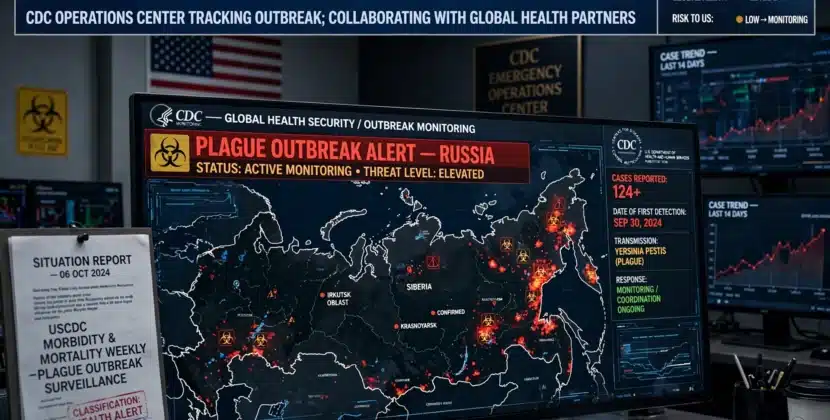
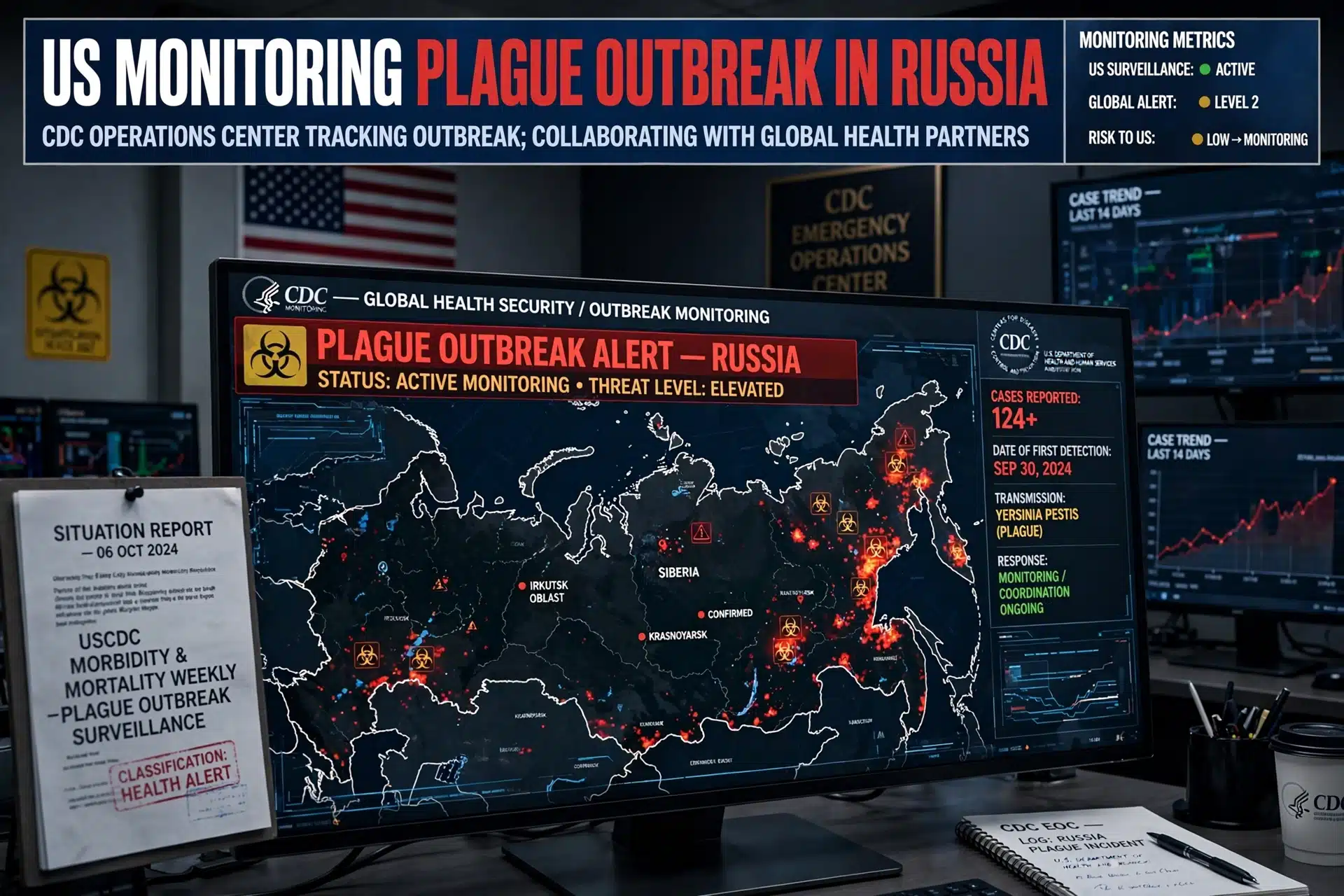
American officials are tracking a health scare in Siberia that authorities say may involve pneumonic plague, the most contagious form of a disease that has not been part of daily life anywhere in the modern world for generations. A worker at a plague research institute in Russia died after what was initially described as pneumonia of unknown etiology, and Russian officials have quarantined a hospital ward and placed close to 200 contacts under medical observation while they wait for test results.
The Trump administration says it is watching closely and is prepared to help. President Trump called the situation a big problem and said the United States would assist Russia if needed, while Secretary of State Marco Rubio said American officials are monitoring developments carefully. The White House confirmed to Axios that it is following reports of the suspected case and related quarantines, even as U.S. officials caution that details from Russian authorities have been limited and verification is still underway.
What Happened in Siberia
The incident centers on a laboratory worker at a research institute in Russia’s Irkutsk region that has historical ties to the study of plague. According to reports from Russian authorities, the worker became ill with a severe form of pneumonia and later died. Officials described the case as pneumonia of unknown origin, a phrase that immediately raised alarms because the institute is one of several Russian facilities that handle Yersinia pestis, the bacterium that causes plague.
Russian responders moved fast by the standards of any outbreak. A hospital was placed under quarantine, and roughly 200 people who had contact with the deceased worker were put under monitoring for the incubation period. Regional authorities have been collecting samples and have not confirmed a final diagnosis publicly. The ambiguity itself is part of the story: for days, the world has been parsing briefings and statements for any signal about whether this is plague, something else, or a false alarm.
What Is Pneumonic Plague?
Plague is best known from the Black Death, which killed a large share of Europe’s population in the 14th century, but it never fully disappeared. The bacterium circulates naturally in rodent populations and reaches humans through flea bites, direct contact with infected animals or, in the case of pneumonic plague, droplets from coughing. Pneumonic plague attacks the lungs, which makes it the form that can spread person to person, and it can progress rapidly without treatment.
Health experts stress that the disease is not a mystery. It is treatable with common antibiotics when caught early, and suspected cases can be identified with laboratory tests in hours. The concern with any pneumonic case is speed: the window for effective treatment is short, and person-to-person transmission means a missed case can become a cluster. That is why even a suspected case at a high-risk facility triggers quarantines, contact tracing and international notifications.
How the United States Responded
The American response has been coordinated across agencies. The State Department said it is monitoring the reported fatal case, Rubio publicly emphasized that the U.S. is watching and waiting for verified information, and the White House acknowledged it is tracking the suspected outbreak. President Trump went further, calling the outbreak a big problem for Russia and saying the United States would help combat its potential spread, an offer that would likely involve technical assistance, diagnostics and supplies if Moscow accepted it.
Officials have been careful to separate monitoring from alarm. There is no indication that the suspected case has reached the United States, and U.S. agencies have sophisticated surveillance for imported infections, from airport screening to state health department laboratories. The administration’s posture resembles other moments when a foreign health emergency tested diplomacy: offer help, demand transparency and prepare contingency plans in case the initial reports turn out to be worse than advertised.
Why a Lab Outbreak Draws Extra Scrutiny
A community case of plague would be alarming. A case inside a laboratory that studies plague raises a different set of questions. Scientists work in such facilities under strict biosafety protocols, with protective equipment, restricted access and decontamination procedures. When an infection appears among staff, investigators look first at whether procedures were followed, whether equipment failed and whether any samples were handled outside the norm.
The history of modern laboratory safety includes several incidents that reshaped regulations, and countries are generally reluctant to discuss them openly. Independent verification of a case tied to a research institute can be hard to obtain, which is why outside experts lean on indirect signals: quarantine measures, patterns of contact tracing and the scale of the response. In this instance, the quarantine of a hospital and observation of nearly 200 contacts suggest that Russian authorities are treating the threat as credible rather than cosmetic.
Plague Is Also a Homegrown American Concern
It would be a mistake for American readers to file this story under exotic diseases. Plague circulates naturally in the western United States, particularly in prairie dogs, ground squirrels and other rodents across the Southwest and the Great Plains. The CDC reports a handful of human cases most years, typically from flea bites or handling infected animals, and health officials consider the risk to the general public very low.
That domestic presence is one reason the United States maintains stockpiles of antibiotics and monitors plague notifications closely. Domestic cases are usually isolated and quickly treated, but they keep public health teams practiced in diagnosis and response. A suspected pneumonic case overseas, especially one linked to a laboratory, therefore lands on desks that already know exactly what the pathogen looks like and what the next steps would be if anything similar appeared at home.
What Comes Next
The immediate future of this story depends on test results and transparency. Russian authorities need to confirm whether the worker died of plague or another infection, and international health regulators will look for sample data and case details to validate that finding. If the diagnosis is confirmed, the focus will shift to whether the 200 contacts remain healthy through the incubation window and whether any secondary cases appear in the hospital ward or the worker’s family.
For the United States, the calculus is diplomatic as much as medical. An offer of assistance gives Washington a constructive role and a reason to expect answers, while monitoring commitments from the State Department and White House keep pressure on Russian officials to share data. Until results are public, the sensible posture from the American side is the one officials have adopted: verify everything, prepare for the worst and keep the line of communication open.
Frequently Asked Questions
Is pneumonic plague contagious between people?
Yes. Unlike bubonic plague, which spreads through flea bites, pneumonic plague infects the lungs and can pass between people through respiratory droplets, which is why suspected cases trigger immediate quarantines.
Can pneumonic plague be treated?
It can. Common antibiotics work well when started early, and health agencies say the key is rapid diagnosis and treatment before the infection overwhelms the patient.
Is there any plague risk in the United States?
Human cases do occur in the American Southwest and Plains states, usually from contact with infected rodents or fleas. The CDC reports a few cases most years and considers the risk to the general public very low.
Has Russia confirmed the case?
Not fully. Russian authorities have described pneumonia of unknown etiology and taken quarantine measures, while U.S. officials say they are monitoring and awaiting verified details from their Russian counterparts.