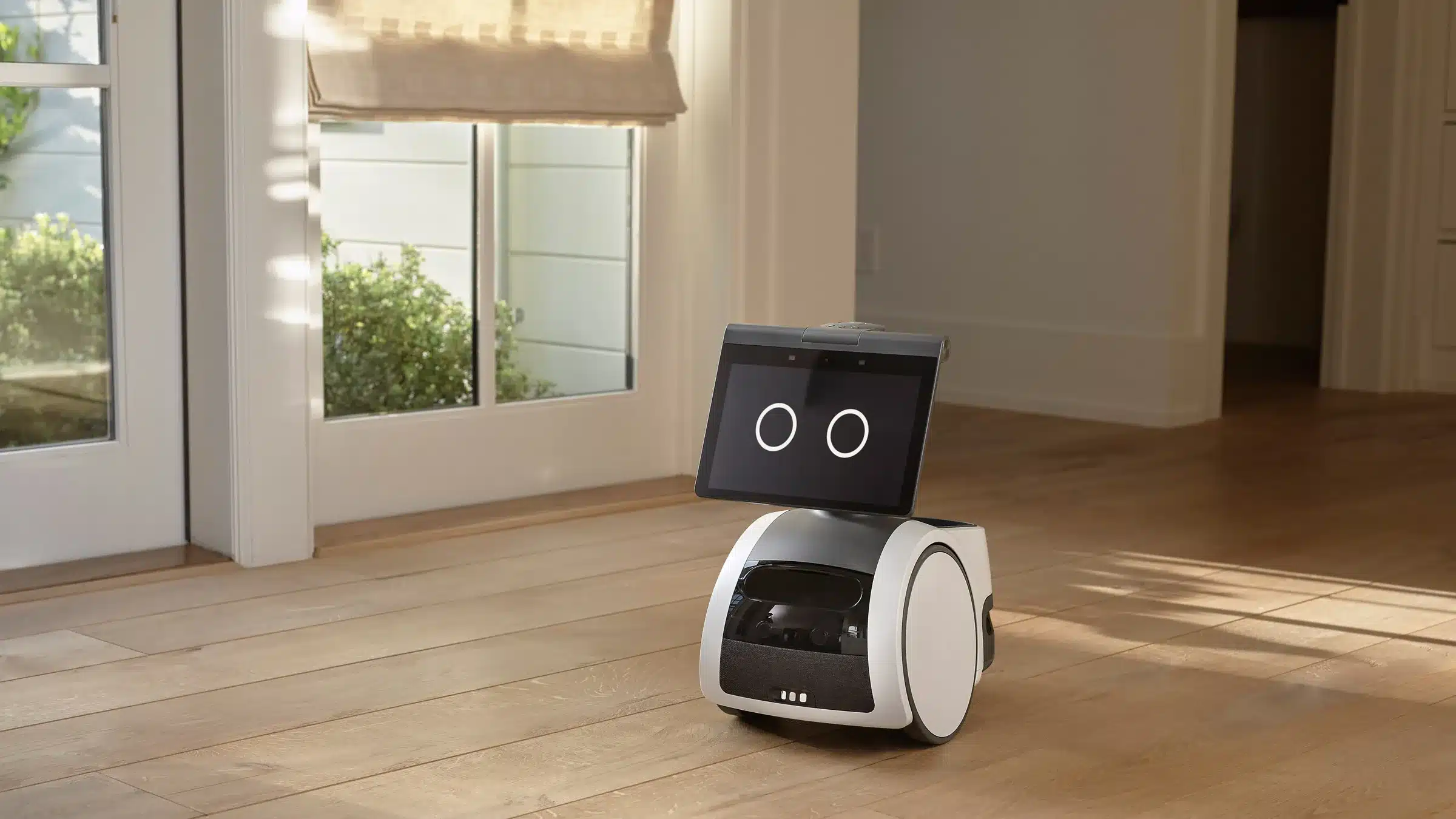
Despite ongoing changes in this area, there is still no smooth transition process in place. According to recent news from Amazon, Astro is one step closer to becoming a household product. Nonetheless, despite some changes, this category has yet to fully find its application. As home robots in the USA have become of interest to consumers, it seems to be an important stage in the development of consumer robotics, although the process itself is not yet complete.
Changes in Consumer Robotics: Pricing and Features
The first thing that stands out as a change in this field is affordability. Amazon Astro robot saw price reductions that make it even more attractive to potential customers.
Another change is the set of features, which reflects progress towards perfection in the field of home robots in the USA.
These changes include:
- Pricing changes compared to previous versions
- Improved navigation and obstacle avoidance capabilities
- Integration with smart homes
- Security and monitoring capabilities
Utility vs Reality: The Fundamental Challenge
Despite improvements, the most challenging question remains – what are the practical applications? Here is where AI home assistants come into play. Robots such as Astro are no longer just robots; they should be used as intelligent companions in the home.
The current capabilities of the technology include:
- Home monitoring and security
- Assistance with routine actions
- Interconnection with other smart products
- Interaction via voice commands
Nevertheless, all of these abilities have room for improvement, and people often find no justification for buying these robots based on their utility.
The Amazon Astro robot is a good example of how promising AI technology is; however, there is still a significant gap between capability and practicality.
Home Robots vs Traditional Smart Products
The appearance of robots in the home marks a transition from regular smart devices to automation.
Features of traditional smart devices include:
- Fixed place of usage
- Purpose-specific functions
- Lower prices
- Lower mobility
- Robots’ features include:
- Portability and interactivity
- Versatility in capabilities
- Increased price
- Improved usability
The process is driven by tendencies that characterize the con.
Importance to the United States (Impact on Consumers)
The effects of home robots in the USA are considerable.
- Adoption rates are rising, yet cautiously. The consumer base remains interested yet skeptical of robots’ long-term benefits.
- User expectations continue to change. Devices are becoming increasingly proactive, smart, and capable of performing more complex functions.
- The competitive pressure is rising. Competition in the field of AI home assistants is stimulating technological advances.
Main effects include:
- Gradual adoption rate rise
- Increasing expectations for AI-powered features
- Smart home platform expansion
- Increased use case exploration and experimentation
In addition, the rapid adoption of home robots in the USA demonstrates their sustained presence in the market, despite their nascent stage.
What to Do: Buying Considerations
If you’re considering a home robot, approach it strategically.
1. Compare Price vs Utility
Ask whether the features justify the cost.
2. Evaluate Real Use Cases
Focus on what the device actually does in daily life.
3. Check Ecosystem Compatibility
Ensure it integrates with your existing smart home setup.
4. Consider Long-Term Value
Look beyond novelty—assess future updates and capabilities.
Conclusion
The development of home robots can be regarded as a trend of technological innovation aimed at creating smarter, active assistants for consumers. The Amazon Astro home robot is one such emerging product. While flawed, it clearly shows the direction the industry is moving in. However, the emergence of home robots in the USA, alongside other advancements in automation technology, clearly demonstrates an increased demand for home automation.
Source: Amazon News