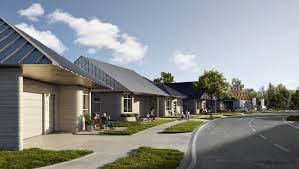
A major shift in construction technology is underway as ICON expands its use of automation-driven housing systems across multiple U.S. cities. The company’s latest initiatives focus on scaling AI construction homes, which use robotics, software, and additive manufacturing to develop new methods for building residential structures.
The expansion shows significant progress in robotic housing in the USA, as automated systems now address housing shortages while reducing costs and accelerating construction.
The Rise of AI-Driven Construction
The construction industry relies on traditional methods that require manual labor and take extended periods to complete projects, while their processes remain disconnected. ICON uses artificial intelligence in building automation to optimize construction operations by automating project planning and construction work.
AI construction homes achieve faster build times and reduced material waste through a combination of software-based design and robotic building systems.
The current development marks a broader shift in housing technology across the United States, as digital systems now control all stages of physical construction.
How Robotic Housing Systems Work
ICON’s system operates through a combination of robotic technology and sophisticated construction software. The systems use architectural designs to create machine-executable instructions that direct building robots at construction sites.
Robotic housing USA deployments use large-scale printers and automated systems to construct building materials that form structural components through precise layer-by-layer deposition.
The method establishes a strong connection to 3D-printed homes because it uses additive manufacturing techniques to build walls and structural components on construction sites.
AI Construction Homes and Automation Efficiency
The process of building AI construction homes depends on using machine intelligence to enhance workflow efficiency. AI systems analyze design requirements, environmental conditions, and material availability to streamline construction planning.
Building automation systems that use AI technology accomplish three goals: reducing waste, improving precision, and speeding up project completion.
The USA housing innovation sector is undergoing a transformation driven by this efficiency improvement, particularly in areas with rapid population growth and current housing deficits.
Expansion Across U.S. Cities
ICON’s expansion into multiple urban areas demonstrates the growing need for its adaptable housing solutions, which it provides through its business model. United States cities are currently testing robotic housing systems to address their two main problems: high housing costs and slow construction processes.
Emergency housing, disaster recovery, and affordable housing initiatives benefit from the rapid deployment capability of AI construction homes, making this method highly suitable for these uses.
Urban development plans now require smart construction technology, as its use has become more widespread.
The Role of 3D Printed Homes in Modern Construction
The main demonstration of ICON’s technology is 3D-printed homes, which use large 3D printers to build structures by applying special concrete materials in sequential layers.
The construction systems use their robotic technology to accurately manage both building strength and architectural design implementation.
The process offers three advantages: shorter construction timelines, greater operational efficiency, and improved building quality control.
Smart Construction Tech and Digital Integration
The emergence of smart construction technologies allows better synchronization between digital design systems and actual construction methods.
The ICON model uses AI systems to track project development while they modify system settings and improve construction workflows.
The automated building process achieves high accuracy in constructing AI-operated homes by adapting its operations to on-site conditions.
Impact on Housing Innovation in the USA
The adoption of robotic housing technologies in the USA is reshaping how housing development is approached nationwide.
Through housing innovation, USA adoption businesses and government organizations seek to reduce construction costs while improving access to affordable housing.
The ability to scale 3D-printed homes enables their use in addressing major housing demand problems that require comprehensive solutions.
Construction Robotics and Workforce Transformation
The construction industry is undergoing a transformation driven by construction robotics, creating new work requirements for building workers. Automation technology reduces the need for physical work, but it increases the need for people with specialized skills to operate, maintain, and design systems.
AI-based building automation technology directs human workers to spend their time on system oversight, maintenance, and optimization tasks rather than performing physical construction operations.
The current transition represents a complete shift in construction technology, combining human skills with machine precision to create smart construction systems.
Challenges in AI-Based Construction
AI construction homes offer multiple benefits but face various obstacles that need to be addressed. The three main issues to be addressed are regulatory approval, material standardization, and scalability.
Robotic housing projects in the USA need to undergo extensive testing to meet safety requirements and building code standards.
Implementing construction robotics into current construction systems requires extensive infrastructure modifications.
Economic and Industry Implications
The expansion of housing innovation in the USA through AI-driven construction could significantly reduce building costs over time.
The implementation of 3D-printed homes in high-demand areas will increase housing accessibility by improving efficiency while reducing the need for human workers.
The construction industry will see increased investment in automation and robotics due to growing demand for advanced smart construction technologies.
The Future of AI-Driven Construction
Active development of AI-based building automation systems will enable construction operations to achieve greater autonomous operation and operational flexibility. Future construction sites will operate as self-sufficient systems that enable machines to perform all construction work without human intervention.
The expansion of AI construction homes shows that future housing production will exceed the speed and volume of traditional methods.
Ongoing technological advancements will make robotic housing in the USA the preferred solution for both urban development and disaster response housing.
Conclusion: A New Era of Building Technology
ICON’s expansion of initiatives marks a significant transformation in the construction industry. The company uses AI construction homes, robotic housing in the USA, and 3D-printed homes to develop new building design and construction methods.
The housing innovation USA sector develops new construction technologies because AI building automation and construction robotics keep improving our ability to build homes more quickly and intelligently, and at greater operational efficiency.
Smart construction technology has reached a new level of development, bringing us closer to a future in which cities use integrated technological systems to create intelligent construction environments.