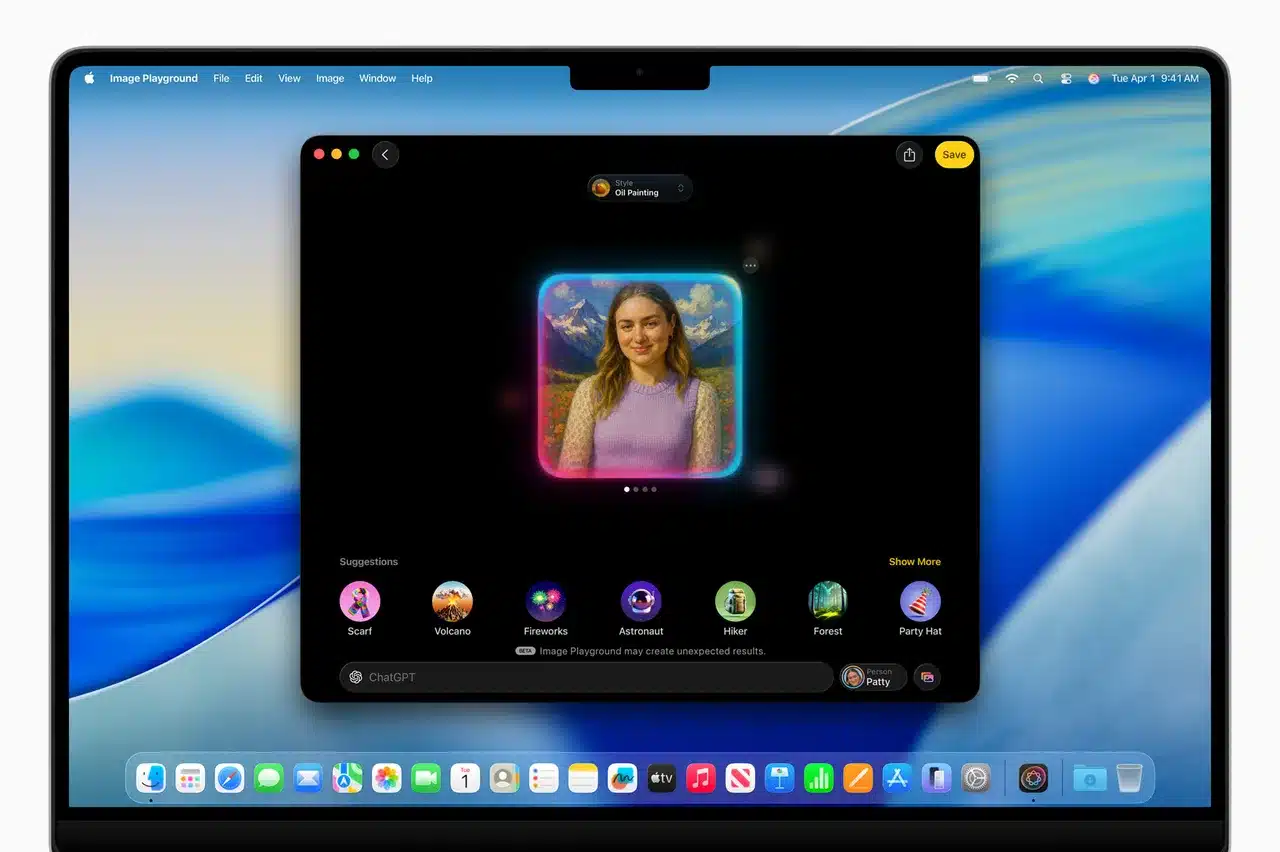
Apple is currently developing new software updates that will enhance its artificial intelligence capabilities for all its desktop operating systems. The latest macOS update introduces deeper integration of Apple AI macOS features to enable automated intelligent operations throughout daily computer activities.
The update establishes AI laptop features as essential components of the Mac experience, enabling users to interact with applications, manage workflows, and perform information processing tasks in new ways. Apple advances its Mac platform through on-device artificial intelligence, enabling users to experience faster performance and enhanced privacy protections without relying on cloud computing.
macOS Becomes an AI-Native Operating System
The macOS AI update introduces a major transformation that alters the fundamental operation of the operating system. Apple has integrated AI into its core system functions because it considers it an essential part of its operations.
The new system enables Apple AI macOS to perform smarter operations across multiple functions, including search, text creation, image analysis, and system management. The operating system now uses AI capabilities as a core element rather than treating them as independent functions.
The deep integration of Apple’s software AI into daily work processes now delivers efficiency gains across both personal tasks and business operations.
Smarter AI Tools Across the System
The updated macOS introduces a suite of enhanced Apple AI tools designed to assist users in real time. The tools are designed to perform three main functions: understanding context, predicting user intent, and automating repetitive work tasks.
AI-driven features can now generate document summaries, organize files intelligently, and assist with content creation and editing in native applications.
The AI advancements in laptop features now enhance modern computing by enabling Macs to better adapt to how users operate and their daily activities.
On-Device AI: Privacy and Performance Combined
The primary objective of the update is to examine how AI functions on Mac devices. The device now supports many AI functions that operate without requiring data transmission to remote servers.
The system maintains sensitive data protection through local data storage while improving operational efficiency by processing information without requiring cloud-based communication. The system provides users with faster response times because it performs calculations locally rather than routing them through the cloud.
Apple AI macOS features have grown because Apple remains dedicated to building products that protect user privacy while enabling artificial intelligence to operate safely within Apple’s system environments.
Enhancing AI Laptops Features in 2026
The development of artificial intelligence in macOS systems is of critical importance because laptops now serve as central workspaces for productivity, creative endeavors, and communication.
The 2026 direction of laptop AI features will lead to Mac systems developing proactive abilities that function without user commands. The systems will begin to suggest actions while they organize user workflows and perform automatic performance evaluation.
These enhancements create a more intuitive Apple AI macOS system, enabling users to focus on their work rather than tool management.
System Intelligence and Workflow Automation
The macOS AI update introduces workflow automation as its most significant transformation. The system can now analyze user behavior and automate common tasks across different software applications.
Apple AI tools help users by analyzing their file usage patterns, email communication, and scheduling activities to create intelligent shortcuts.
The automation system enables AI laptops to operate more like smart assistants, expanding their functional capabilities beyond basic computer operations.
Integration Across Apple’s Ecosystem
A defining strength of Apple is its ecosystem integration. The expanded Apple software AI framework connects macOS with other devices such as iPhones and iPads, creating a unified AI experience.
The system enables users to begin their work on one device and easily transfer their progress to another device, as AI technology maintains their current work state.
The on-device AI Mac architecture protects user privacy across the entire system while maintaining secure, effective system operations.
Performance Optimization Through AI
The macOS AI update brings system performance improvements that extend beyond its productivity features. The AI-driven optimization tools now achieve better control over memory management, power distribution, and background process handling.
Apple AI macOS uses embedded intelligence to boost system performance by increasing responsiveness and decreasing resource consumption.
The optimizations enhance AI laptop performance, resulting in smoother multitasking and better performance when using demanding applications such as video editing and software development tools.
Developer Opportunities and AI Integration
The expansion of Apple’s AI tools creates new possibilities for developers to explore in their work. Apple provides developers with frameworks that enable third-party applications to access system-level AI capabilities.
Developers can create advanced applications that leverage Apple’s software AI capabilities without building their own machine learning systems.
The AI laptop ecosystem will expand quickly because developers will create more context-aware intelligent applications.
Challenges in AI System Integration
The deep integration of AI into operating systems brings multiple challenges despite its benefits. The user experience depends on maintaining consistent performance across all hardware configurations, which needs to be achieved.
Balancing on-device AI processing with system resources becomes challenging on older devices with limited hardware resources.
Apple AI macOS systems require transparent control mechanisms to help users understand how AI features work.
Conclusion: A Smarter macOS Experience
The expansion of AI capabilities in macOS is driving a major transformation in how users operate their Apple devices. By integrating Apple AI tools into macOS, Apple transforms how software intelligence operates on personal computers.
The macOS environment becomes more user-friendly, effective, and responsive through its upgraded AI features, improved on-device AI processing, and enhanced Apple software AI capabilities.
The current updates demonstrate that operating systems will evolve into intelligent computing partners that serve as more than mere functional tools.
Source: Apple Latest News