






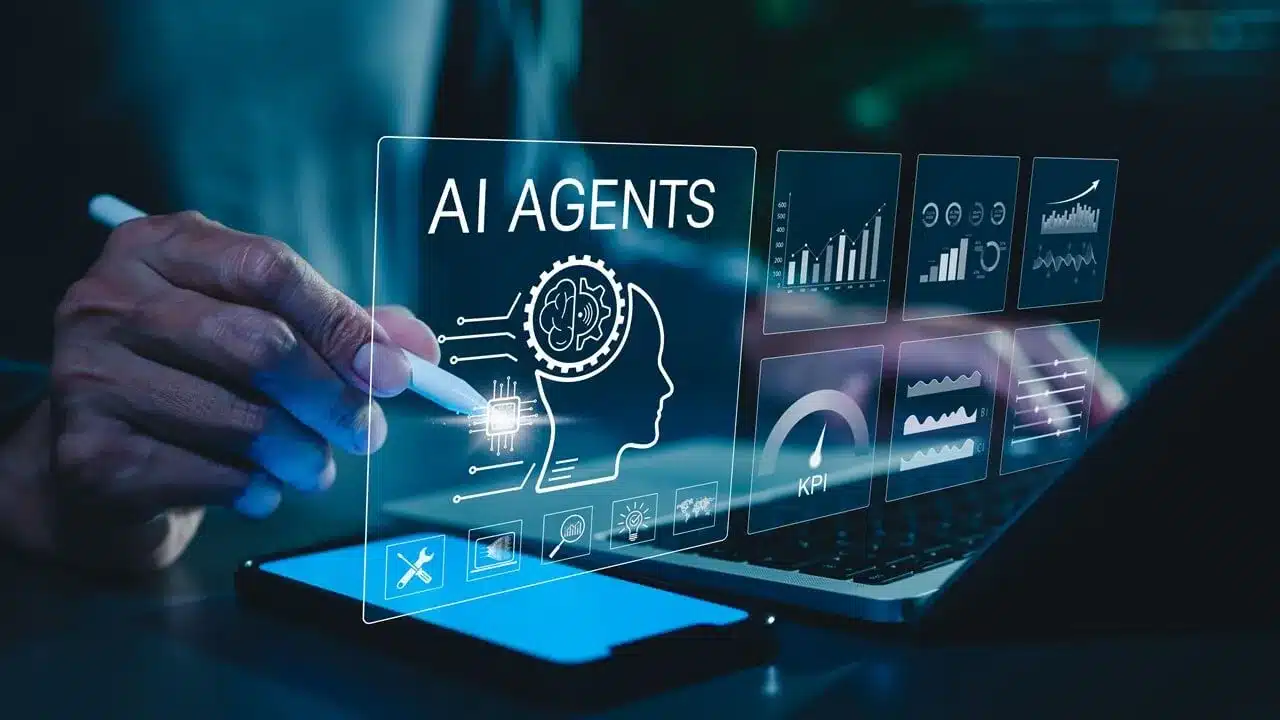
CIO briefings confirm a rapid move toward agent-driven systems following recent cloud announcements. Enterprises are reevaluating how decisions, data flows, and execution layers interact in real time. The shift toward an agentic AI enterprise and AI data stack models reflects a need for systems that act rather than just analyze. This transition signals a structural change in how organizations design and operate digital infrastructure.
Why the Agentic AI Enterprise AI Data Stack Model Is Gaining Ground
Conventional systems keep analytics and execution separate, which slows down response times. Agent-driven systems close this gap by enabling decisions to be made directly in the data layer. CIOs say this cuts the time between getting insights and taking action across different teams.
Modern AI workflows in these stacks enable systems to take action automatically rather than waiting for people to step in. Agents read signals and follow set rules. This helps reduce delays across areas such as customer support and supply chain planning.
From Passive Pipelines to Active Systems
Older data pipelines move information from storage to dashboards but offer little feedback. Agentic systems, on the other hand, create ongoing cycles where results shape new inputs. This makes the environment more dynamic, allowing systems to learn and adapt over time.
The enterprise automation capabilities emerging from this model are more granular than before. Tasks are broken into smaller decision units, each managed by a specialized agent. This enables precise control over processes while maintaining scalability.
Operational Impact Across Core Functions
CIOs are focusing on rolling out these systems across key areas, including finance, logistics, and customer operations. These fields benefit the most from quicker decisions and less manual work. Early users are already seeing better efficiency and fewer mistakes.
In finance, agent-driven systems spot and fix issues without needing to escalate them. In logistics, routing decisions change in real time as conditions shift. These examples show how AI workflows now go beyond just analysis and actually drive actions.
Integration Challenges And Design Trade-Offs
Even with these benefits, adding agent existence to current setups is challenging. Many companies still use separate data systems that do not integrate well. CIOs have to find a balance between updating technology and keeping operations running smoothly.
The rise of enterprise automation also introduces governance concerns. Autonomous systems now require clear boundaries and auditability to maintain trust. Organizations are investing in monitoring layers that track agent decisions and outcomes.
Strategic Drivers Behind CIO Adoption
This change is not just about technology; competition is a big driver. Companies using agentic systems become faster and more flexible. Those who wait may fall behind in efficiency and in response time.
CIOs see the Agentic AI Enterprise AI data stack approach as a way to link data intelligence and execution. This alignment reduces silos and improves coordination across departments. It also enables faster experimentation and the development of new business models.
Talent and Organizational Readiness
To use agentic systems, IT teams need new skills. Engineers must know both data engineering and autonomous system design. This mix of skills remains rare, creating a talent gap.
Companies are tackling this by retraining their systems and working with outside vendors. The goal is to build in-house skills that support long-term use. Without this, projects may stall after the first rollout.
Risk and Opportunity in the Transition
The main opportunity is to boost efficiency and responsiveness. Companies can automate complex tasks but still keep control over results. This sets the stage for growth as digital operations expand.
But those who adopt late are at a disadvantage. As competitors improve their agentic systems, the performance gap widens. Catching up gets harder and more expensive as these systems become standard.
The agentic AI enterprise and AI data stack model also change how organizations measure success. Metrics shift from static performance indicators to dynamic system behavior. This requires new approaches to monitoring and evaluation.
Rethinking the Future of Enterprise Systems
Switching to agent-driven systems marks a bigger change in tech strategy. CIOs are moving beyond just collecting and analyzing data. Now, the focus is on systems that can act autonomously within defined limits.
This change challenges old ideas about control and oversight. Companies need to find the right balance between automation and governance, which many are still finally figuring out. The results will shape how businesses work in the future.
Final Thoughts on CIO Strategy Evolution
CIOs are updating their plans to match the shift to agent-driven operations. The change is happening slowly but clearly across all industries. Early adopters are building skills that go beyond small improvements.
The shift does not mean replacing all current systems. Instead, it adds intelligence and autonomy to key processes. As more companies adopt this, the line between data and operational systems will fade.
Companies that manage this change well will gain a lasting edge. Those who wait may get stuck with old systems. This path forward is clear, and CIOs are already moving in this direction.
Source: Gartner Newsroom








