




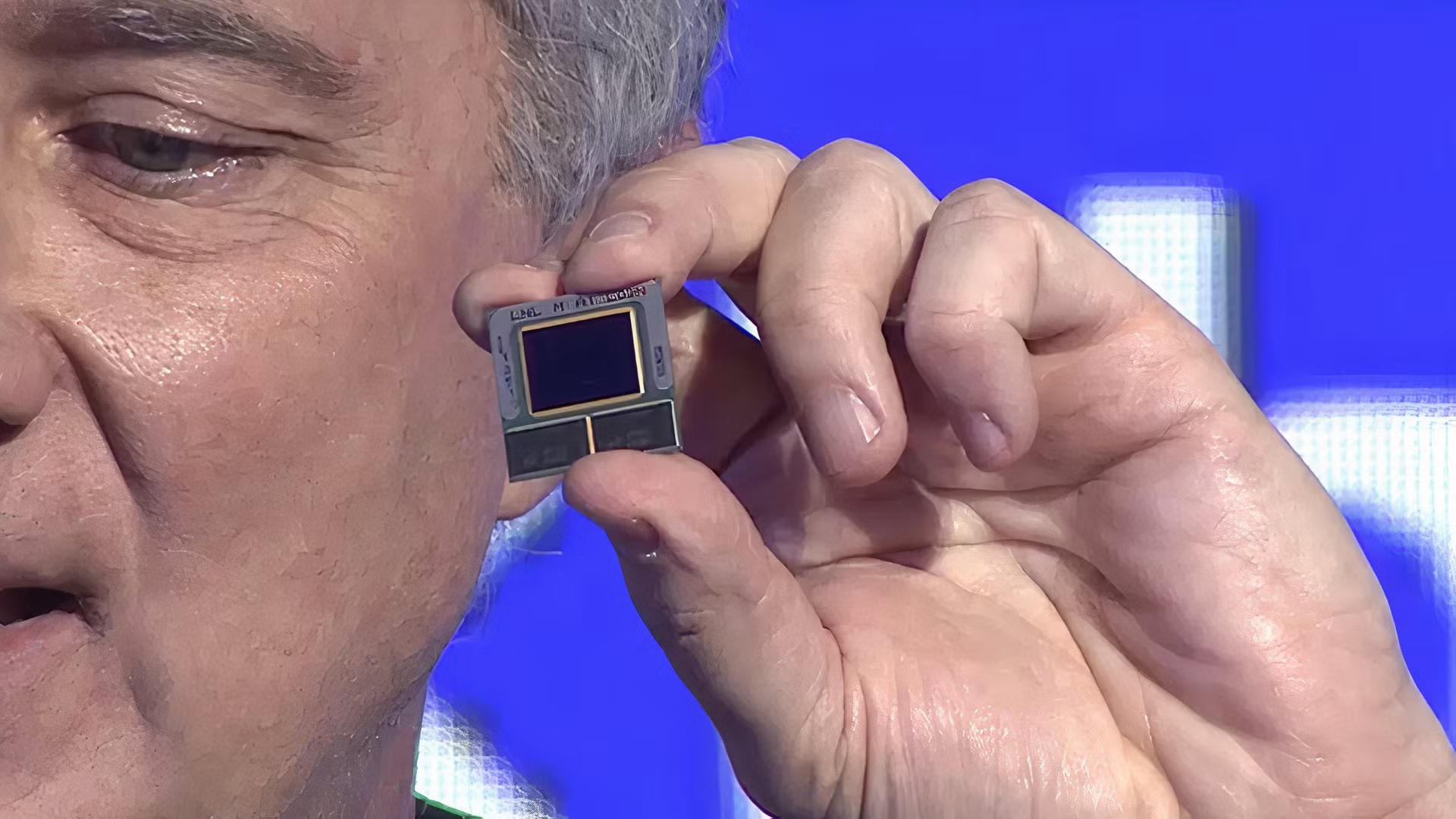
Intel recently released a software update that has captured the attention of the entire PC industry, as reports indicate its upcoming processors will deliver major performance improvements. The Intel AI PC system update enables upcoming systems to achieve better neural processing capabilities by tuning firmware to boost TOPS performance on Lunar Lake-based chips.
Modern AI computing today requires more than just hardware design to function successfully. The actual capacity of artificial intelligence systems now depends on software updates and system optimization processes.
A Software Patch With Hardware-Level Impact
The update’s most important feature allows better AI results without needing additional hardware. The processing power of AI systems that use TOPS performance measurements needs new chip designs to achieve better performance.
Intel’s current method shows that better performance for neural processing units (NPUs) results from firmware and driver updates. The Intel AI PC ecosystem enables current hardware to perform better than manufacturers initially advertised.
The current trend shows that software now drives AI optimization, enabling manufacturers to leverage their existing systems to create more value.
Understanding TOPS and AI Acceleration Gains
The industry uses TOPS performance as a standard for assessing the current AI capabilities of modern processors. The metric shows the number of trillion operations a chip can execute per second for AI tasks such as inference, image processing, and language modeling.
Intel achieves higher neural processing pipeline efficiency through its patch, which enhances TOPS performance. The system now executes AI tasks faster for real-time transcription, background processing, and generative AI features.
The Intel AI PC system requires these enhancements because AI is now a core component of operating systems and productivity software.
Lunar Lake and the AI PC Strategy
Lunar Lake serves as an essential milestone for Intel because it leads to its goal of building AI-first computers. The company is using its new chips, which include dedicated NPUs and a power-efficient AI design, to enter the AI PC market.
The new firmware update improves NPU performance by optimizing system memory and compute resource usage, enabling better hardware resource management. The system achieves better TOPS performance thanks to this feature, which operates without increasing power requirements.
The Intel AI PC strategy focuses on developing AI features that will become standard components of everyday computers.
Immediate Performance Gains and Industry Reaction
The patch provides an immediate performance boost, which represents its most important benefit. The optimization works on all compatible systems because it does not require hardware upgrades, which only work on new devices.
The debate centers on whether PCs from 2024 will become less valuable without receiving upgrades from 2024. The difference in TOPS performance between updated systems and their non-updated counterparts will increase over time.
The Intel AI PC ecosystem expects ongoing software updates to become essential for maintaining its competitive edge.
The Growing Importance of AI Optimization Layers
The update shows that the industry is moving toward multi-layered AI optimization, which has become the new standard. The complete system needs to include operating systems, drivers, and firmware to achieve its full potential.
TOPS performance in this situation serves as a hardware standard, yet it also serves as a performance metric that depends on software effectiveness. The Intel strategy shows that AI computing progress will result from both software improvements and hardware development.
The Intel AI PC system will evolve into an AI solution that delivers ongoing functionality improvements through software updates rather than requiring complete system replacements.
Compatibility Concerns and Device Fragmentation
The update brings performance enhancements, yet introduces problems related to hardware fragmentation. The patch will not provide equal benefits to all systems, as older devices and systems without current NPU support will not benefit from it.
The Intel AI PC ecosystem will split, with newer systems delivering much higher TOPS performance than their predecessors.
Users will experience different access to AI features depending on whether their devices support the latest optimizations.
Implications for Software Developers
The ability to improve AI performance through patches affects how developers handle optimization tasks. Applications designed for the Intel AI PC platform must account for dynamic performance-scaling requirements that depend on firmware updates.
The system enables the development of flexible software solutions but creates challenges for maintaining uniform performance across devices with different TOPS processing capabilities.
Developers will begin using Intel’s AI optimization frameworks as their primary option for maintaining system compatibility and performance consistency.
Competitive Pressure in the AI PC Market
Intel’s decision to enter the AI hardware market creates additional challenges for its competitors. Hardware rivalry becomes more dynamic when software updates enable performance improvements.
Intel AI PC market consumers can expect this approach to extend the usability of their current chips while deferring the need for immediate hardware replacement.
Competitors must accelerate their firmware optimization processes to keep pace with ongoing TOPS performance improvements.
The Future of AI-Driven Computing Performance
The patch direction indicates that artificial intelligence systems will experience continuous performance improvements throughout their lifetimes. Users will experience TOPS performance enhancements through software updates, rather than waiting for new chip releases.
The Intel AI PC ecosystem will establish new standards for how long devices should last and when users should upgrade their systems. Permanent system competitiveness will be sustained through continuous performance improvements.
Conclusion: Software as the New Performance Engine
The Intel firmware update establishes a new method for delivering AI computing performance through its updated system. Intel has established a new standard for building AI personal computers through its software-based TOPS performance enhancements.
The Intel AI PC strategy requires ongoing performance improvements, eliminating the need for hardware updates by unifying firmware with performance enhancements.
The method offers clear benefits through enhanced operational efficiency and extended system lifespan, but it also introduces new challenges related to system compatibility and hardware diversity.
The expanding role of AI in computing will make performance capability and hardware components equally vital elements of computer systems.