






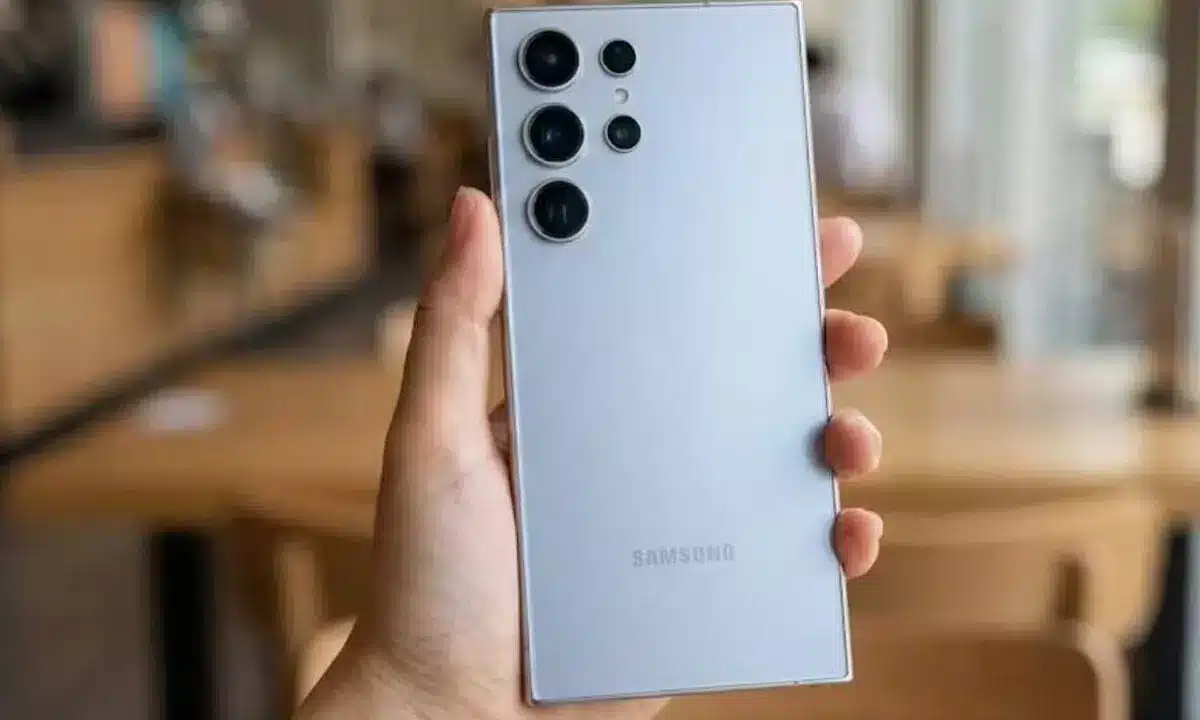
A recent firmware leak has given us a rare look at how Samsung is changing its approach to immersive computing. Deep in the system files, there is evidence of a special lens processing module designed for real-time visual intelligence. This shows that Samsung is moving past traditional camera upgrades and working on integrated perception systems. The key to this change is AR Lens AI, which could let wearable devices interpret visual data directly.
AR Lens AI, and the Emergence of Embedded Vision Processing
The leak mentions a model that processes visual input right at the lens. This means Samsung is shifting from centralized processing to a more distributed approach. Doing the work closer to the sensor can reduce delays. The lens AI is key to enabling this quick response.
This method matches the rising demand for real-time interaction in augmented reality. People want overlays, object recognition, and helpful cues to show up right away. Processing at the lens makes these features work instantly and lessens the need for other devices.
Architecture of the Lens Processing Module.
Sensor Level Computation
The firmware shows that the lens module has its own processing system. This system probably handles image stabilization, depth mapping, and object detection. Doing these jobs locally means the systems can run faster and move less data.
A wearable AI chip is a key part of this setup. It gives the system the power it needs for real-time analysis, all while using little energy. Keeping this balance is important for wearable devices.
Data Flow and Optimization
Efficient data flow is central to the model’s operation. The system seems to focus on important visual information and ignore what isn’t needed. This saves bandwidth and power while sending only useful data to other parts of the system.
The wearable chip probably helps with this by using special instructions. This lets it handle visual data more efficiently than regular processors, so the system stays responsive without quickly using up the battery.
Applications in Augmented Reality
Real-Time Object Recognition
A main use for this technology is object recognition. The system can detect objects in the user’s view and provide helpful information such as product details, directions, or notes. Fast recognition is important for making it easy to use.
AR Lens AI makes this possible by always analyzing what the user sees. The system can adapt as conditions change around the user, making interactions with digital content feel more natural and helping users stay aware of their surroundings.
Contextual Overlays and Navigation
Navigation is another key issue. The system can show directions right in the user’s view, so there’s no need to check another screen. This makes getting around easier and more natural.
Contextual overlays can do more than just help with navigation. For instance, the system might highlight interesting places or translate text. These features require fast, accurate processing, which the lens module is built to handle.
Power and Thermal Considerations
Energy Efficiency Challenges
Wearable devices have tight power limits, so the lens processing module must operate with them. This means both the hardware and software need to be carefully optimized. Using energy efficiently is key to making these devices practical.
The wearable AI chip is built to solve these problems. It uses specialized circuits to perform its work while consuming very little power. This helps the device last longer and also keeps it from getting too hot.
Thermal Management Strategies
Managing heat is also very important. Constant processing can generate significant heat in a small device. The firmware suggests ways to spread out and reduce this heat, such as passive cooling and workload balancing.
By handling heat well, the system can keep working smoothly even during long use. People expect their devices to stay comfortable and reliable, and good thermal design helps make that happen.
Privacy and Data Handling
On-Device Processing Benefits
Processing data right at the lens helps protect privacy. Visual information doesn’t have to leave the device, reducing the risk of data leaks and giving users more control over their data.
The system can perform most tasks on the device itself, such as object recognition and basic analysis. Only important data is sent out when needed. This setup aligns with the growing focus on data security.
Limitations And Trade-Offs
Even with these benefits, there are some trade-offs. Processing on the device can limit how complex the tasks can be. More advanced analysis may still need cloud support, so finding the right balance is a main challenge.
The firmware shows that the system is built to manage this balance. It focuses on speed and privacy, but can also scale up as needed. This means the device can support multiple users and receive future updates.
Implications For Samsung’s Product Strategy
Integration With Wearable Ecosystems
Having this module points to a bigger plan. Samsung appears to be preparing for a new wave of wearables that will work seamlessly with current products such as smartphones, tablets, and other connected devices.
The wearable chip will be key to making everything work together. It helps devices perform consistently and allows for new ways to interact. This could change how people use technology.
Competitive Positioning
This move puts Samsung in a strong spot among its competitors. Other companies are working on similar tech, but being able to process visual data at the lens could set Samsung apart by offering better performance and stronger privacy protections.
By building this kind of system, Samsung is showing what matters most: real-time interaction and putting users first. This could shape industry standards and raise the bar for future products.
Final Thoughts
The firmware leak shows more than just a technical update. It marks a change in how visual computing is done. By putting intelligence right into the lens, Samsung aims for faster, more augmented reality. AR Lens AI is at the heart of this change, enabling real-time interaction without relying on external systems. With better processing hardware, this could change the future of wearable tech.
Source: Samsung Research News








