




The United States business sector examines which artificial intelligence platforms deliver tangible financial benefits during implementation across various company functions. The two main enterprise AI solutions, Salesforce Einstein AI and Microsoft Copilot, demonstrate different approaches to artificial intelligence within their respective systems, which combine customer relationship management and productivity software.
The two platforms provide benefits by improving work processes, while their automated systems enable better decision-making. The two systems demonstrate their differences through their ability to deliver tangible business results, including financial savings, increased sales, and improved productivity.
The Shift Toward ROI-Driven AI Adoption
Companies began using artificial intelligence to test new technologies through their research. The present day requires businesses to measure their actual results. Businesses assess artificial intelligence solutions based on their ability to boost efficiency, reduce costs, and improve decision-making processes.
The new requirements require organizations to examine their deployment methods, their ability to connect different systems, and their capacity to deliver benefits over time. Assessors of Salesforce Einstein AI and Microsoft Copilot must evaluate both the product features and the system’s capacity to deliver stable, scalable performance.
Organizations are increasingly prioritizing solutions that align with their existing workflows and provide clear performance metrics.
Salesforce Einstein: AI for Customer-Centric Operations
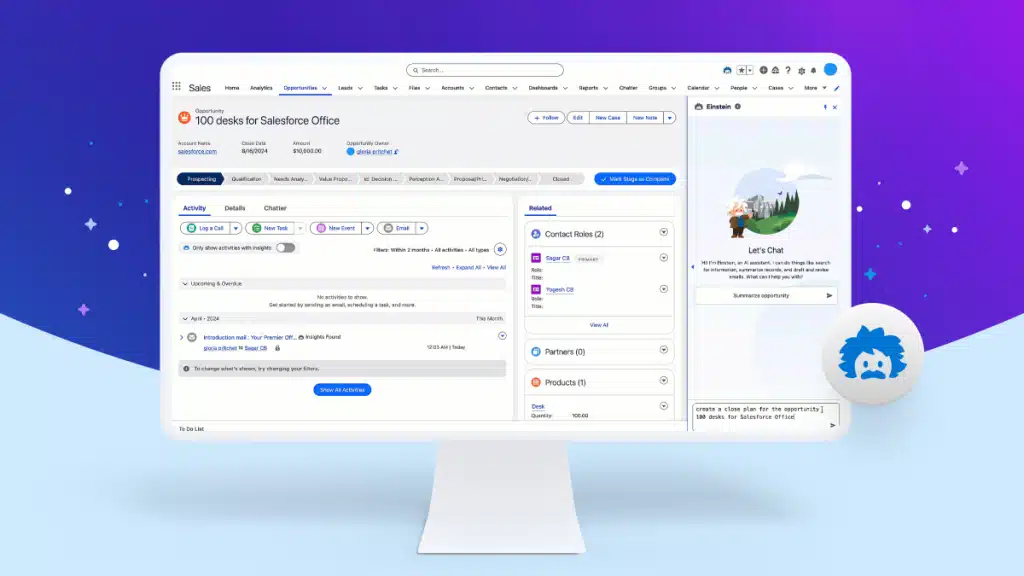
Salesforce Einstein AI exists to improve customer relationship management by integrating artificial intelligence into Salesforce platforms. The system offers three main functions: predictive analytics, automated insights, and customer-specific interactions.
Sales teams can use Einstein to predict sales possibilities while it provides guidance on subsequent actions and handles their standard operational duties. The system enables marketing teams to improve campaign performance by enabling more efficient audience targeting.
The platform enables organizations to leverage their existing customer data through tightly integrated CRM connections, improving decision-making. This can lead to improved conversion rates and stronger customer relationships.
Microsoft Copilot: AI Across Productivity Workflows
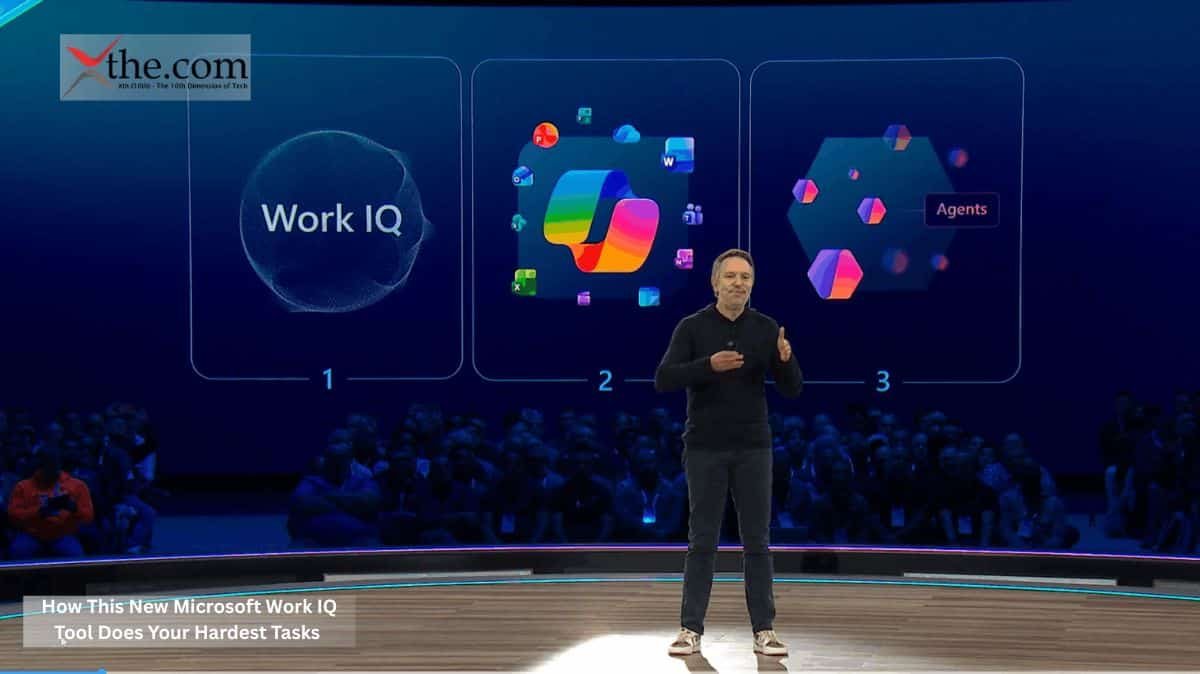
Microsoft Copilot takes a broader approach by integrating AI into widely used productivity tools such as Word, Excel, Outlook, and Teams. This allows users to automate tasks, create content, and perform data analysis within their known work environments.
Copilot enables users to perform various tasks, including administrative work, data analysis, and content creation, by supporting multiple applications.
Microsoft Copilot embeds artificial intelligence into everyday workflows to improve productivity, helping workers spend less time on repetitive tasks and more time on important work activities.
Comparing ROI: Targeted vs Broad Impact
The ROI of each platform depends primarily on its operational use across the organization. Salesforce Einstein AI provides specific advantages to customer-facing operations, which sales and marketing teams find most beneficial.
Organizations measure their impact through three main indicators: increased revenue, better customer retention, and improved sales processes. The benefits from these systems deliver substantial advantages to companies that depend on CRM systems.
Microsoft Copilot provides organizations with broader productivity benefits that extend across all their departments. The return on investment from this system is realized through three benefits: time savings, reduced manual work, and improved teamwork.
Organizations must evaluate their requirements for specialized AI systems or general productivity enhancement tools.
Implementation and Integration
The implementation process needs to be simple because it is the main factor that determines return on investment. The Salesforce platform needs Salesforce Einstein AI to function as a unified system, enabling current users to use it more efficiently.
Organizations that lack a strong Salesforce foundation will struggle because they need to spend more money and face more complex implementation processes.
Microsoft Copilot receives advantages from its integration with Microsoft 365, which most enterprises use as their standard software. The learning process becomes easier, helping people adopt new skills faster. The degree of system integration determines how quickly organizations can realize value from their existing platforms.
Measuring Productivity Gains
The assessment of the effects of artificial intelligence tools needs to be quantifiable because it is a critical factor in return-on-investment analysis. The Salesforce Einstein AI system delivers sales performance metrics, customer engagement data, and tools for measuring campaign success. The insights enable organizations to monitor their progress while using data analysis to inform their decision-making.
Microsoft’s Copilot tool tracks productivity through three key metrics: time saved, number of tasks completed, and workflow efficiency. While most of these metrics do not have a direct revenue impact, they are linked to overall operational performance and reduced costs.
Cost Considerations
The cost plays a vital role in calculating return on investment. The two platforms use subscription-based pricing, charging different rates based on the user’s selected features and usage level. Implementing Salesforce Einstein AI requires organizations to spend more on their customer relationship management system and customization, resulting in higher initial expenses.
Many organizations prefer Microsoft Copilot because it is an extra feature that enhances their current Microsoft 365 subscriptions. Organizations need to assess both the upfront expenses and the future benefits that each system will deliver to their operations.
Challenges in AI Adoption
The two platforms have the potential for success but face challenges that prevent their users from adopting them. The three factors that hinder their adoption, together with user resistance, training requirements, and change management needs.
The effective use of AI tools demands that organizations develop a specific implementation plan that requires continuous support.
The two systems, Salesforce Einstein AI and Microsoft Copilot, operate by leveraging user interaction with high-quality data.
Conclusion: Choosing the Right AI Investment
The choice of Salesforce Einstein AI or Microsoft Copilot will depend on what an organization cares about most. Salesforce Einstein provides excellent solutions for customer service, and Microsoft Copilot enhances productivity through the power of Microsoft Office products.
Sales and customer engagement companies should use Salesforce because it provides better return on investment for their business needs. Companies that require efficient operations across different areas should choose Copilot as their solution.
The capacity to produce tangible outcomes will determine which AI investments succeed as enterprises assess their AI funding decisions.
Source: Introducing Salesforce Headless 360. No Browser Required.