





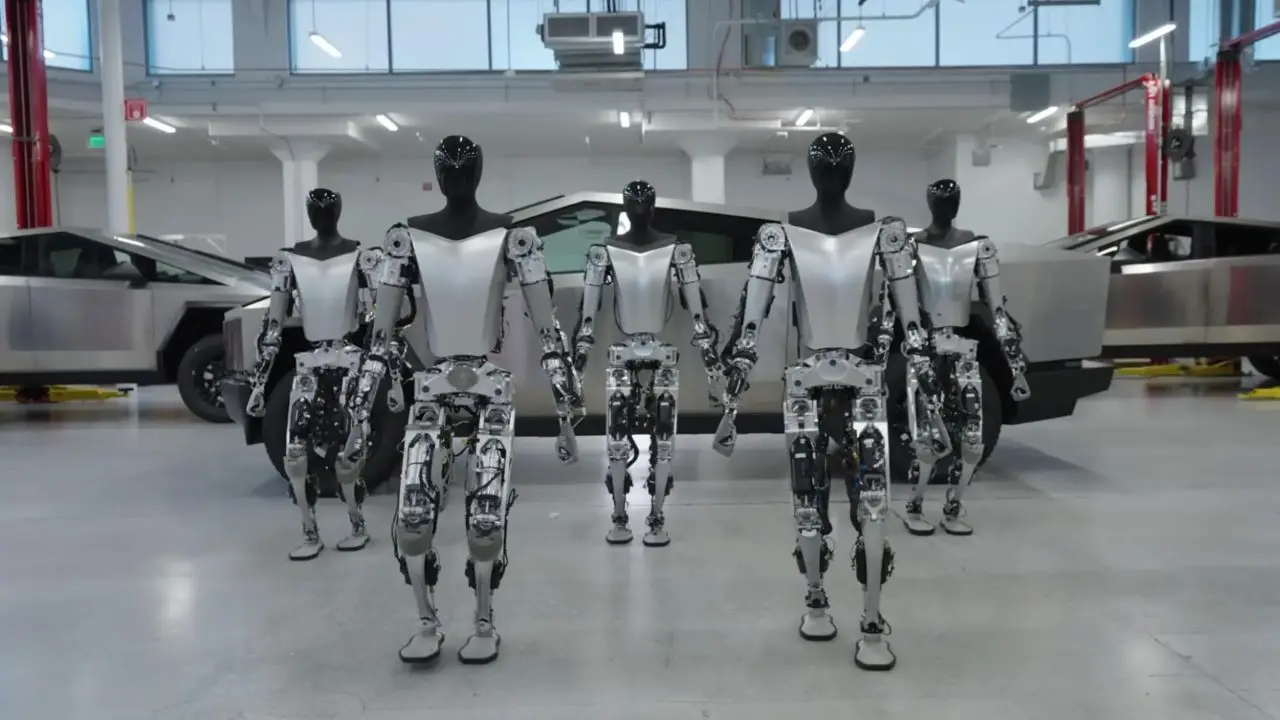
The rise of industrial automation from static and repetitive processes to flexible and intelligent systems is accelerating the delivery of self-task reassignment through Tesla’s robots. Tesla’s robots are at the forefront of this change by enabling them to dynamically reassign themselves to specific workflows in response to real-time conditions. By leveraging self-task reassignment, Tesla robots are playing an integral role in modern manufacturing facilities. Because of the increased complexity of today’s manufacturing plants, the demand for flexible and responsive manufacturing systems is driving the advancement of these technologies.
How Self-Task Reassignment Functions
Self-task reassignment allows machines to analyze their workflows and change their assigned role(s) without interference from people. When using self-task reassignment, rather than performing a specific task as defined in advance, robots review their existing work, identify less efficient areas, and reassign some or all of their tasks to other systems in the manufacturing process to optimize production.
The primary functions of self-task reassignment are as follows:
- Continuous monitoring of production workflows
- Real-time detection of bottlenecks
- Automatic redistribution of workload(s) for all manufacturing systems
As manufacturing plants embrace AI automation across their operations, production lines will become more productive, resulting in increased capacity and reduced downtime.
Role of Physical AI in Manufacturing
Physical AI enables machines to interact intelligently with their environment. Unlike traditional robots, which follow fixed instructions, AI-enabled systems can adapt to changing conditions.
| Flexibility | Low | High |
| Decision-making | Pre-programmed | Autonomous |
| Coordination | Manual | Real-time |
By integrating physical AI, factories can achieve greater efficiency and responsiveness.
The Influence of Intelligent Automation on the Robotics Industry
The emergence of intelligent automation has changed the way businesses view their manufacturing processes. Robotics is no longer just used for repetitive tasks; it is now a tool to optimize production.
Some of the major impacts that robotics has on the industry include:
- Higher levels of manufacturing productivity
- Lower overall operating costs
- Greater scalability of manufacturing operations
As more companies use robots in their production processes, it is necessary to redefine what we can accomplish with robotics.
Workforce Displacement Risk
Although the introduction of automation into industries has the potential to provide businesses with a number of positive benefits (increased efficiency, lower costs, and greater scalability), it also has negative impacts on employment.
Some of the major issues of concern include:
- Reduced demand for manual labor
- Increasing skill gaps within the workforce
- Economic impact across multiple industries
There is a need for additional training and skill development within the workforce as we continue to see an increase in the use of robots in production, as demonstrated by Tesla’s growing use of robots in its manufacturing process.
Potential: Intelligent and Flexible Factories
Factory AI automation using Artificial Intelligence has the potential to drive both growth and innovation despite challenges.
Flexibility, efficiency, and continuous improvement are three aspects of any manufacturing process that organizations can achieve by implementing factory automation with Artificial Intelligence technologies.
Organizations will gain dynamic optimization of their production processes, eliminate human error in their operations, and improve the scalability of their manufacturing capabilities by implementing AI-based solutions.
Organizations can become more resilient and flexible by implementing AI-based factory automation technologies and ultimately be able to create manufacturing ecosystems that respond quickly to changes in demand.
Conclusion
Tesla’s innovations in manufacturing make it more intelligent and flexible, and as this occurs, robotics will redefine automation, enabling its systems to think and act autonomously. The organization that leverages the ongoing evolution of manufacturing will be better positioned to compete in an ever-changing industry. The future of manufacturing will depend not only on the integration of intelligent systems, but also on how effectively organizations address the challenges that arise from doing so.