






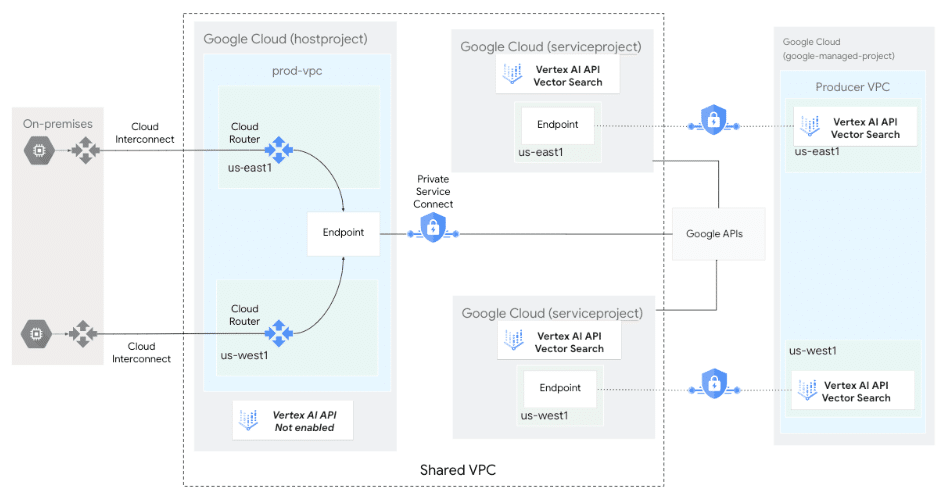
A recent platform change signals a significant shift in AI system architectures. The latest Vertex AI update introduces an internal agent routing layer, altering task assignment and execution. While not well documented, runtime behavior suggests a more dynamic orchestration model that affects performance, visibility, and user control.
Vertex AI Update, and the Emergence of Agent Routing
The update adds an internal route system for agent-based workflows. Instead of a strict sequence, the system can send requests to different agents, allowing workloads to be split and handled in parallel. This enables more flexible task execution based on workload needs.
Routing decisions are made dynamically at runtime, assigning tasks to appropriate agents based on context. This reduces latencies and speeds up responses, but complicates user visibility into task management.
How the Hidden Routing Layer Functions
Dynamic Task Distribution
The routing layer acts as a controller allocating tasks to agents based on task type, resource availability, or complexity. This keeps the workflow flexible and efficient.
Tasks are no longer limited to a single execution path and can be moved between agents when needed. This supports complex workflows and handles load changes.
Integration With Orchestration Systems
The routing layer integrates with existing orchestration tools, adding a decision-making mechanism. This broadens management while using dynamic routing to increase system reliability.
The update tab tightens the link between routing and orchestration, enabling agents to collaborate and reduce delays caused by fixed schedules, thereby improving overall performance.
Runtime Behavior And Persistent Execution.
Extended Task Lifecycles
Observed runtime shows agents can persist beyond regular sessions, allowing tasks to execute continuously for extended durations. This supports long-running workflows typical in cloud environments.
The routing layer supports longer agent runtimes, allowing them to keep their state across new tasks. This leads to fewer restarts and smoother task handling even as assignments change.
Implications for Workflow Design
Long-running tasks enable workflows that run for hours or days. The routing layer efficiently distributes tasks over time, improving resource utilization for applications such as data processing and monitoring.
Extended task runtimes increase complexity, requiring developers to plan for state management and failure recovery. While the update provides tools, proactive design remains essential.
Benefits of Agent Routing in Vertex AI.
Improved Performance and Scalability
Dynamic routing distributes tasks across multiple agents, preventing slowdowns and enabling faster processing and easier scaling.
The update allows resources to be used more flexibly, with agents added or removed as needed. This keeps performance consistent as demand shifts and reduces waste.
Better Resource Utilization
The routing layer reallocates resources as needed, increasing system efficiency and reducing waste in large-scale deployments.
With the Vertex AI update, organizations can better utilize their resources. Resources go where they are needed most, which saves money in many cases and helps make operations more sustainable.
Risks and Operational Challenges
Cost Runaway without Checkpoint Control
Persistent agents and dynamic routing can drive up costs. To manage this risk, set limits on task duration and resource use. Implement checkpoint control and monitoring to prevent tasks from running indefinitely. Use alerts to track resource consumption in real time and stop runaway tasks early. These measures ensure visibility, prevent excessive spending, and help maintain system stability.
Reduced Transparency In Execution
Because the routing layer is hidden, debugging can be tough. To reduce this risk, implement detailed logging to track task distribution among agents. Set up audit trails and monitoring dashboards so users can see where tasks are routed. These steps improve visibility and help with speedy issue resolution.
The Vertex AI update requires better logging and monitoring tools. Users need to see how routing decisions are made. To reduce transparency risk, adopt monitoring solutions that show routing steps and system status. Use automated reports to track decisions, build trust, and maintain control over workflows.
Implementing Monitoring And Alerts
Active monitoring is key for dynamic routing. Users must track task durations, resource use, and distribution, responding to anomalies with alerts to avoid escalation.
The update supports monitoring tool integration. Organizations should maximize these to ensure visibility for management, compliance, and audit purposes.
Designing for Controlled Execution
Workflows require strict boundaries and checkpoints to prevent indefinite execution. Developers must limit runtimes and resources for predictable operation.
The update increases system flexibility but demands vigilant management. Keeping execution controlled improves reliability in complex systems.
Broader Impact On AI Infrastructure
Shift Toward Autonomous Systems
Agent routing marks a shift to autonomous AI systems, enabling internal task distribution and alerting infrastructure management without direct human intervention.
The Vertex AI update is part of this bigger trend. AI platforms are becoming more self-managing, which means less manual work, but also brings new challenges for oversight.
Evolving Role For Developers
Developers now focus on designing autonomous systems over manual task handling, emphasizing orchestration and routing skills.
This update underscores a system-oriented development approach, prompting new design and maintenance strategies and fostering innovation opportunities.
Conclusion
The introduction of a hidden agent routing layer represents a significant change in how AI workflows are managed. The Vertex AI update adds flexibility and scalability, as well as extended task execution, but raises challenges in cost control, transparency, and system design. Effective use requires monitoring, governance, and meticulous planning.
Source: News, tips, and inspiration to accelerate your digital transformation








