




Round Rock, Texas.
Dead Zones Don’t Care About Your Deadline
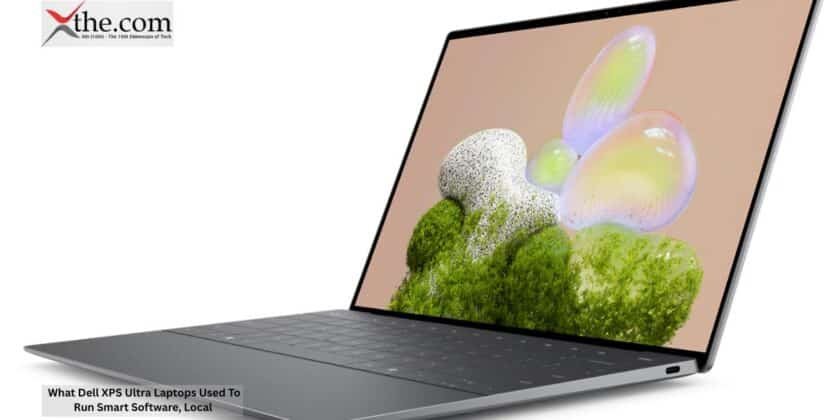
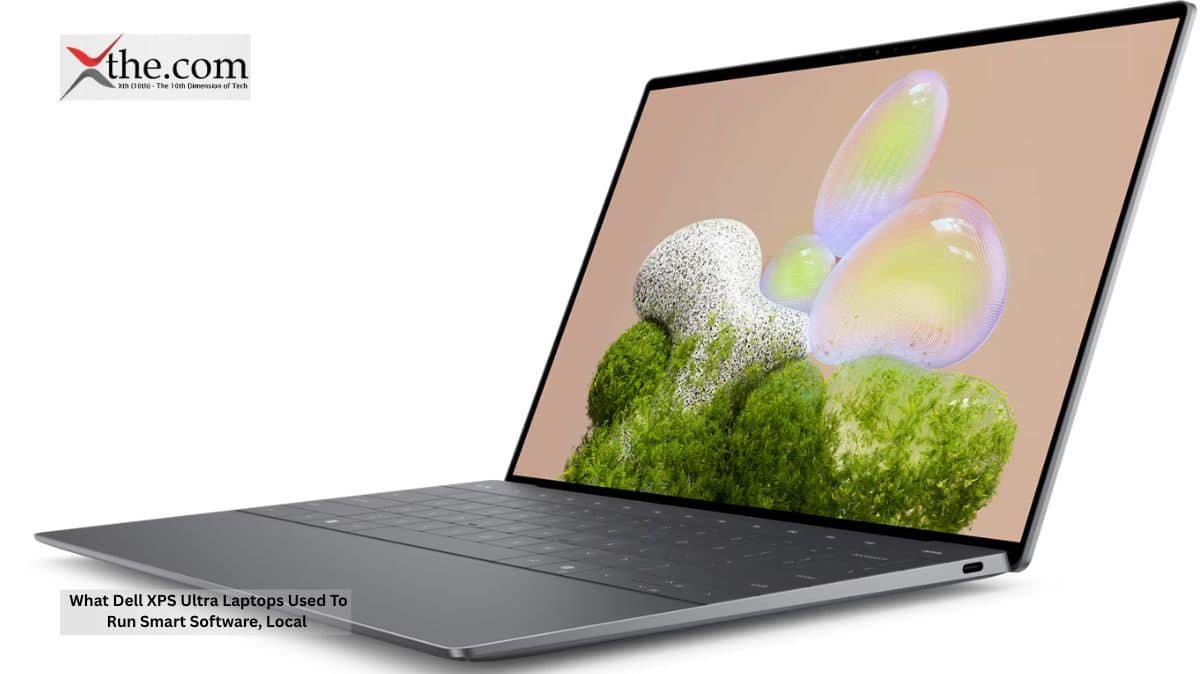
A sales executive arrives at O’Hare, leaves the jet bridge, and suddenly her AI writing assistant stops working. With no signal, she can’t get anything done. She has 40 minutes before her next meeting and a partially completed proposal. This situation happens thousands of times every day in corporate America. Dell XPS Ultra is responding by creating laptops that run smart software locally, so they can work even without a network connection.
Dell’s latest update to its XPS Ultra line is more than a minor change. It redefines what a premium business laptop should offer.
How XPS Ultra Hardware Is Rewiring the Premium Laptop
Dell’s main design choice is simple: put the intelligence on the chip instead of the server. The new XPS Ultra models feature dedicated neural processing nodes built into the system board, close to the main memory, to speed up data movement. This setup means lower delays when running tasks like language models, image recognition, or document summarization, and none of these will need to connect to the cloud.
This is what engineers call hardware engine integration. Instead of sending a request from your keyboard to a Microsoft Azure data center in Virginia and back, the XPS Ultra handles it right on the chip. Dell says the device can respond to common generative tasks in under 30 milliseconds, which is faster than most cloud-based systems, even with a strong Wi-Fi connection, and much better in places with weak signals.
According to the Dell XPS Ultra hardware processing specification manual, it details three tiers of on-device workload handling: lightweight text generation, mid multimodal analysis, and heavy batch document processing. Each level uses a specific amount of the neural engine’s bandwidth, and Dell designed this using high-bandwidth memory, similar to what’s found in workstation GPUs.
Copilot Optimization Changes the Local AI Equation
Microsoft’s Copilot optimization system certifies hardware for smooth AI assistant performance, but it needs a certain level of neural processing power. Most thin and light laptops have not met this requirement without slowing down other functions. Dell designed the XPS Ultra’s cooling and power systems to handle Copilot workloads for long periods, not just short bursts that drop off after 30 seconds.
This is important for executives who travel often. For example, a CFO reviewing financial models on a long flight needs her AI analysis tool to work just as fast in hour three as it did in hour one. The XPS Ultra’s vapor chamber cooling and tiered processing modes keep performance steady by moving tasks between the CPU, GPU, and neural engine as needed.
What Premium Fleet Buyers Are Actually Paying For
Corporate procurement teams managing a premium fleet of executive devices don’t purchase spec sheets alone. They purchase based on predictability. A machine that performs brilliantly in the office but becomes a paperweight in rural Pennsylvania or on an international flight represents an operational liability, not an asset.
Dell handles this concern directly with the XPS Ultra. Its local AI stack runs completely within the operating system’s secure area, so sensitive documents processed by the writing assistant never leave the laptop. For legal, financial, and healthcare organizations with tight data rules, this setup is not just convenient. It is a compliance requirement that cloud-based AI tools cannot meet.
With hardware engine integration, users can access tools like document translation, meeting transcription, and contract analysis even when offline. These features used to need a broadband connection, but now they only need a charged battery.
The Wider Shift In Business Machine Philosophy
Dell XPS Ultra laptops, designed to run smart software locally, mark a real shift from the last decade of enterprise computing, which relied on thin clients and cloud processing. That approach assumed reliable, widespread connectivity, but the reality in the United States has never fully matched that assumption.
According to FCC data, 40 percent of American roads lack broadband coverage. Business travelers often pass through these areas. Dell’s co-pilot optimization, premium fleet approach, and dedicated processing nodes demonstrate that the company recognizes connectivity cannot be guaranteed, so it should not serve as the basis for a professional productivity platform.
In the next product cycle, the laptop executives will choose the one that performs best without a network connection.
Source: Dell Blog