Santa Clara, California
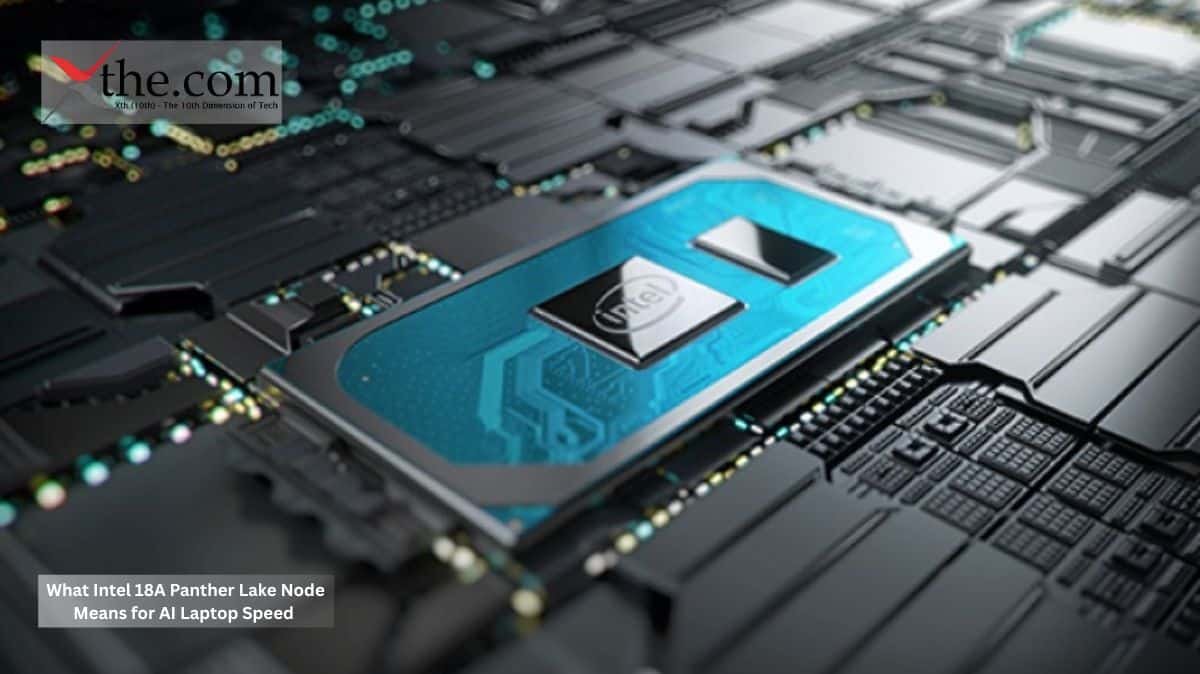
The new Intel Processor release is rapidly transforming the outlook for enterprise laptops through incraeased adoption of AI-friendly computers by corporate entities. With the arrival of Intel 18A Panther Lake AI laptop commercial shipment plans, Intel has introduced a major architectural transition that combines fabrication independence with advanced local AI processing capabilities.
While earlier Intel laptop models relied on foundry partnerships, the Intel 18A processors are fabricated in-house, giving it greater manufacturing freedom and enabling better control over production schedules and optimization cycles.
The new processor is thus launching at a time when enterprises prefer local AI execution rather than relying on cloud inference engines.
The rise of Intel 18A internal foundry enterprise device refresh 2026 strategies further highlights how enterprises are preparing for a new generation of AI-capable notebooks.
Why the Panther Lake Platform Is a Turning Point
The development of the Intel 18a Panther Lake platform is not just another step in the processor refresh cycles. This is about Intel’s bid to reassert dominance in high-performance computing, now in the realm of mobile computing, amid the growing need to incorporate AI acceleration functionality in corporate devices.
The new platform comes packed with many important improvements, such as:
- Higher transistor density
- Better AI inferencing capabilities
- Power savings
- Graphics acceleration
- Better thermals
According to Intel’s management, the platform provides nearly 4x faster local AI inference than previous laptop generations, especially for generative AI apps, language models, and Copilot AI software.
This leap in performance is central to the emergence of Intel Panther Lake Xe2 NPU 4x local AI inference speed advantages within the AI PC segment.
These NPUs enable laptops to do the following:
- Language translation
- Image creation
- Speech transcription
- Copilot AI software support
- Multiagent AI workflow
Such developments illustrate a shift within the industry towards edge AI, where sensitive data need not leave a laptop for processing.
Changes in Internal Manufacturing Transform the Scenario
One of the most strategically critical aspects concerning Intel 18a Panther Lake has been Intel’s internal manufacturing control efforts.
The past few years have seen increased volatility within the semiconductor market. Slow shipments, fabrication difficulties, and political instability have led many firms to rethink their sourcing strategies.
Intel’s Panther Lake aims to mitigate those issues as much as possible.
The effectiveness of the rollout will largely depend on Intel Foundry’s Revenue Growth in Q1 2026, as Intel seeks to increase commercial adoption of its ecosystem through direct competition with Asian fabrication powerhouses.
According to industry experts, there are multiple benefits for enterprises with Intel’s approach:
- Predictable supply chain
- Decreased reliance on external sources
- Shorter product development cycle
- Easier inventory management
- Increased geopolitical stability
The transition toward Intel Panther Lake external foundry dependency elimination could become especially important as enterprise demand for AI-enabled laptops continues accelerating.
It is critical because demand for AI laptop devices is expected to grow rapidly as enterprises implement local AI co-pilots and edge inference models across their infrastructures.
The growth of the commercial client portfolio 18a project represents yet another step towards Intel’s goal of combining advanced manufacturing processes and the enterprise device ecosystem into a single infrastructure system.
Xe2 Graphics and AI Loads
Yet another significant factor behind Panther Lake’s success in capturing industry attention lies in its improved graphics solution.
This platform features a powerful Xe2 processing core technology that enables substantial advances in parallel and visual processing performance.
The need for such processing cores is increasing, as today’s enterprise workloads blend graphics and artificial intelligence operations.
For instance:
- Enhanced real-time video editing
- AI-aided design processes
- 3D modeling
- Generative design locally
- Machine learning processes
In addition to enhancing gaming, rendering, and creative software, the xe2 processing cores also deliver lower thermal emissions than other advanced mobile processors.
This combination of efficiency and AI acceleration further strengthens the appeal of Intel Panther Lake Xe2 NPU 4x local AI inference speed capabilities for organizations adopting local generative AI tools .
Enterprise Focus on AI-Laptops is Increasing Rapidly
The quick adoption of generative AI solutions has accelerated the evolution of enterprise laptop purchasing decisions.
In the past, companies considered factors such as battery life, CPU performance, and security when selecting products. These days, however, the ability to accelerate AI operations has become just as essential.
Companies seek laptops that can enable them to:
- Operate AI assistants on-device
- Perform inferencing without an internet connection.
- Lower cloud-based cost dependencies
- Secure corporate sensitive information
- Boost the productivity of staff members.
This trend accounts for the recent rise in the popularity of researching which CPUs are best to run local AI models.
The market momentum surrounding Intel 18A corporate laptop IT fast-track refresh schedule initiatives reflects this broader transition toward AI-first enterprise hardware planning.
Intense Competition in the AI PC Segment Emerges
The AI notebook sector seems poised to be another of the semiconductor sector’s most intensely contested spaces.
For example, as competition from ARM, custom chips, and even hyperscaler AI hardware architectures rises, Intel finds itself under growing pressure to respond to threats in the future computing space.
This evolving landscape raises an important industry question: how does Intel 18A Panther Lake commercial shipments with Xe2 graphics and advanced NPUs deliver 4x local AI inferencing speed to trigger enterprise laptop refresh schedules.
Industry experts expect the next generation of enterprise computing to involve hybrid approaches, with workloads switching between local devices and cloud-based systems based on factors such as performance or data privacy concerns.
In this context, products like Intel 18a Panther Lake are vital assets, as they enable significant AI computation on the device without sacrificing portability or battery efficiency.
Conclusion
The deployment of Intel 18a Panther Lake processor marks a crucial moment in AI-driven mobile computing systems. The incorporation of self-reliant manufacturing processes, cutting-edge Xeon architecture, and robust integrated neural processing units will allow Intel to compete aggressively in the fast-growing AI PC category.
Besides the technical implications, the platform is the result of a much more significant change in corporate IT, where efficient AI computing, robust infrastructure, and energy consumption have become key criteria in acquisitions.
As organizations continue searching for devices capable of running AI workloads locally, the expansion of Intel 18A Panther Lake AI laptop commercial shipment deployments could make Panther Lake one of the defining enterprise notebook platforms of the next AI computing cycle.
Source- Intel Core Ultra Series 3: The New Standard for Edge AI Robotics