



Redmond, Washington.
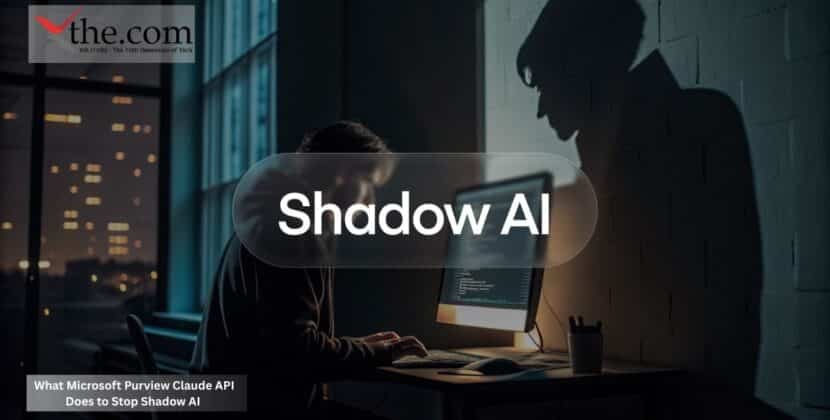
A developer copies a proprietary pricing algorithm into an external chatbot late at night. It takes less than twenty seconds. By midnight, the company’s legal, compliance, and cybersecurity teams are facing a problem that could cost millions.
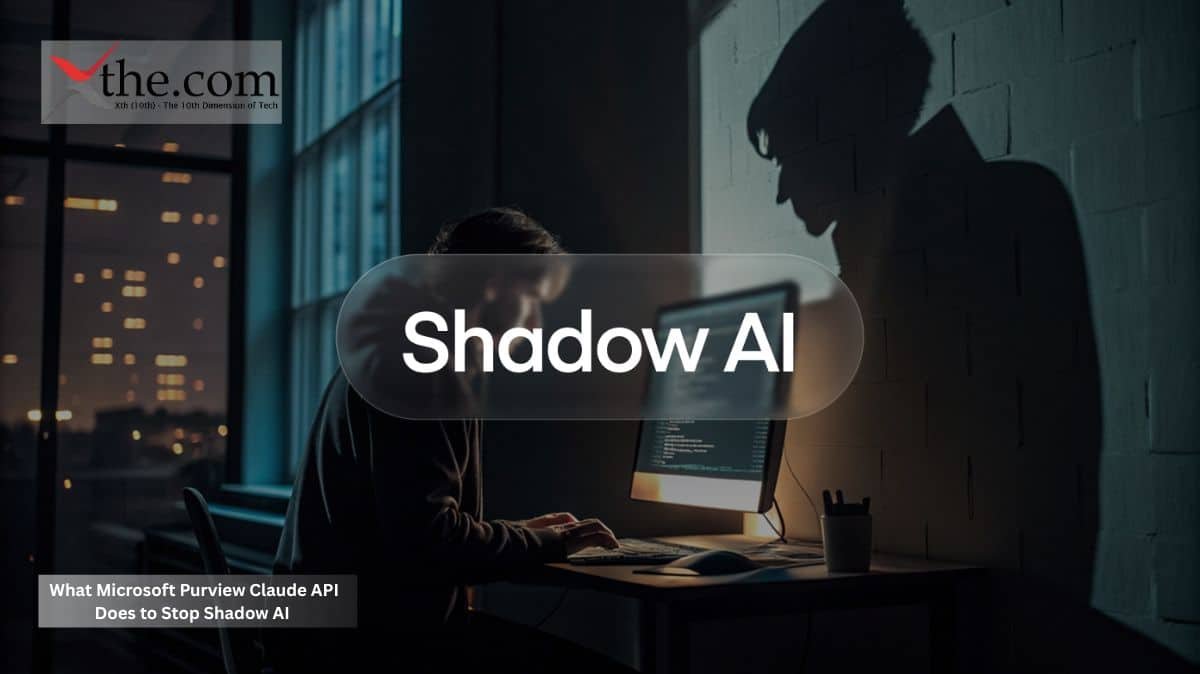
This scenario shows why the Microsoft Purview Claude Compliance API is important. Companies adopted generative AI quickly, but their governance systems did not keep up. Employees began testing prompts containing sensitive code, financial forecasts, legal contracts, and product designs on third-party AI platforms. Security leaders suddenly faced a blind spot they could not audit in real time.
Why Shadow AI Became a Board-Level Security Problem
The rise of anthropic cloud enterprise shadow AI concerns has less to do with malicious insiders and more to do with convenience. Engineers want faster debugging, analysts want instant summaries, and marketing teams want quick campaign ideas. Employees often share sensitive information with AI systems to help them work faster.
The problem worsens in hybrid environments. A large company might use Microsoft Azure, AWS, and Google Cloud, while employers also use external AI systems via browsers or SaaS tools. Traditional DLP tools often miss the whole context of these communications.
This gap created demand for a unified, multi-cloud data-leakage tracking system tied directly to generative AI activity.
Microsoft responded by extending Purview telemetry into Anthropic’s Claude Enterprise environment using the Microsoft Purview Claude Compliance API. This integration brings Claude interactions into the same governance system that already monitors Microsoft Copilot, SharePoint, Exchange, and Teams.
How The Microsoft Purview Claude Compliance API Works
The Microsoft Purview Claude Compliance API collects telemetry events related to cloud enterprise use in corporate settings. This includes uploaded files, prompt histories, generated responses, user identity details, and image‑based interactions.
Security teams no longer have to rely on scattered browser logs or endpoint snapshots. Now, Purview brings cloud activity into centralized compliance workflows.
The Telemetry Pipeline Behind The Monitoring Layer
The telemetry system focuses on three types of high-risk interactions:
File Upload Monitoring
When employees upload spreadsheets, PDFs, source code, or proprietary data into Claude Enterprise Purview, it records the transfer and classifies the content. Sensitive information labels from Microsoft 365 documents stay visible in compliance dashboards.
For example, a pharmaceutical company could spot researchers uploading clinical trial documents into external AI models before the data leaves approved governance boundaries.
Prompt and Context Inspection
The API also tracks the context of conversations. Security analysts can check if users pasted regulated information into prompts, such as customer records, internal credentials, or documents related to mergers.
This feature helps address the growing question of how to monitor Anthropic Claude usage in corporate networks without halting AI adoption.
Instead of banning external models, companies get detailed insight into how employees use them.
Image and Screenshot Detection.
Visual uploads are becoming a bigger security issue. Employees are sharing more screenshots of dashboards, internal diagrams, or financial reports with AI systems for analysis.
The Purview integration flags these image uploads and links them to wider compliance events across the organization.
DSPM Integration Changes The Security Conversation
Most companies already use separate governance systems. One tracks endpoint threats, another manages cloud permissions, and a third monitors SaaS activity. AI interactions have usually been outside these workflows.
Adding Claude telemetry to data security posture management (DSPM) platforms changes this setup.
Security operations centers can now connect AI usage with identity behavior, insider risk signs, and cloud access patterns in one place. If an employee downloads sensitive code from GitHub Enterprise and uploads it to Claude soon after, Purview shows this as a single connected event rather than separate logs.
This correlation is important because AI-related data exposure rarely occurs in a single step. It often results from a series of actions that seem harmless on their own.
Cloud App Threat Discovery Gets More Precise
Expanding AI monitoring also includes cloud app threat discovery. Traditional CASB systems have struggled to classify interactions involving generative AI because prompts and uploads happen dynamically and are often outside structured application fields.
Purview’s Claude integration provides a deeper understanding of these events.
Instead of just noting that an employee visited Claude Enterprise, the system can tell if the interaction involved protected intellectual property, regulated financial data, or sensitive legal content.
This distinction helps compliance officers focus on incidents based on real exposure risk, rather than on general app usage.
Why Enterprises Are Moving Fast
The timing of this rollout shows a growing pressure from regulators and enterprise customers. Goals ask CISOs more often if company data has entered external AI systems and if those interactions can be audited.
Until recently, many security leaders could not answer these questions with confidence.
The Anthropic Claude Enterprise shadow AI issue became especially sensitive in industries that handle substantial intellectual property. Semiconductor companies worry about leaked chip designs, banks worry about confidential deal structures, and healthcare providers worry about patient data crossing into unmanaged AI systems.
The Microsoft Purview Claude Compliance API provides a governance layer without requiring employees to return to manual workflows that slow productivity.
This balance will shape the next phase of enterprise AI adoption. Companies are no longer debating if employees will use generative AI. Now, the question is whether security teams can monitor, classify, and control these action interactions before sensitive information spreads to external models.