





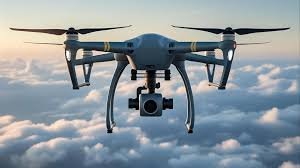
WASHINGTON, D.C. —The direction that suburban logistics is headed might be changing already. With the recent release of revised FAA Certification guidelines, the agency has established new safety standards, collision-avoidance requirements, and noise limits that affect how delivery drones can operate in residential areas. The new Drone Delivery Specs represent a new era for companies vying to claim dominance of the last mile of e-commerce logistics. Indeed, overcoming the challenge of integrating drones into densely populated residential areas without disrupting residents’ activities was one of the primary concerns from the industry’s inception. Noise limits and self-navigation are key aspects regulated by the newly released rules.
Why These Specifications Are Important Right Now
The significance of the new requirements lies in their timing of implementation. For several years, e-commerce leaders have experimented with aerial delivery services, but regulatory issues have allowed it only in pilot territories. With the new FAA Certification, the possibility for scaling emerges, though not easily.
Among the most notable changes:
- Strictly increased noise profile threshold for residential regions
- Improvements in the design of collision avoidance systems at low altitude levels
- Navigation Redundancy Requirement for Autonomous Drones
- Real-time data logging requirement
Although the updates make it easier for the industry to develop safely, they impose stricter technological demands on companies, leaving them with a choice to catch up or lag behind the market.
Amazon Whisper-Prop Advantages
Perhaps the main factor behind these standards becoming relevant recently is the unique Whisper-Prop technology. Created within the framework of its Amazon Prime Air service, the system reduces drone noise to acceptable levels under FAA criteria.
As other companies struggle to comply with the standards, Amazon can immediately launch the operation in urban and suburban areas without any problems.
The effects of such a move:
- Rapid approval of Amazon drone deliveries
- Higher chances for operating in densely populated areas
- Decreased community resistance
Strategic Turning Point Ahead for UPS
It is somewhat more difficult for UPS Flight Forward because, lacking a comparable system to reduce noise pollution, UPS will either have to license Amazon’s propeller technology or invest substantial funds to find an alternative solution. Such a move would have consequences for the whole industry. Rather than competing through logistics, the industry is now moving into a stage where intellectual property matters.
Among potential developments are:
- More licensing deals between rivals
- Delayed deployment for firms without compliant technology
- Market power consolidation by early innovators
Effect on Last-Mile Logistics
The revised guidelines have an immediate effect on Last-Mile Logistics, which has historically been the costliest and least efficient link in delivery logistics. The use of drones allows firms to avoid traffic congestion and cut down delivery time.
Yet, implementation may face some hurdles, such as:
- Availability of infrastructure, like landing sites
- Consumer acceptance of drones flying at low altitudes
- Integrating drones into existing delivery services
Still, the future looks bright. Drone-based autonomous deliveries would offer considerable cost savings while enhancing efficiency and service speed, particularly in suburban and semi-urban regions.
The Challenges of Compliance
Even with the new regulations in place, the challenge of compliance remains daunting. The broader regulatory issues affecting the rollout of drone-based delivery systems in densely populated American cities remain an obstacle to expansion into major cities.
The problems inherent in urban settings include:
- An increased population means increased dangers.
- Noise complaints are much higher.
- Managing airspace becomes difficult.
Consequently, although adoption will be faster in suburban regions, drone use in urban areas will be slow.
A New Era for Aviation Technology
Looking at the bigger picture, these innovations mark a new era for Aviation technology. The implementation of automated systems in practical applications is moving from theory to practice.
Innovations include:
- AI systems for navigation
- More efficient batteries to allow longer flights
- Communication between drones and control units in real time
These technological advances are changing the logistics game entirely.
Business Opportunities: Sky-Hub Real Estate
There is also an upcoming opportunity for developers. “Sky-Hub” real estate refers to strategically located hubs for drones that enable charging, maintenance, and dispatching. It will be advantageous for developers in areas near large metropolitan cities, as the expansion of the drone network will create new investment opportunities.
Some of the advantages are:
- Proximity to areas with high demand for deliveries
- Interconnectivity with the logistics network already in place
- Leasing potential with companies operating at the corporate level
This example clearly shows how regulations can create entirely new economic ecosystems.
Conclusion
Changes made in the FAA Certification have not been merely regulatory updates but rather catalysts for change. By changing the Drone Delivery Specs requirements, the FAA has essentially advanced the timeline for drone use. Although there are still difficulties associated with implementing these standards in densely populated urban regions, the trend is set. Companies that meet these standards will gain a distinct edge in Last-Mile Logistics.
Source: Amazon News