






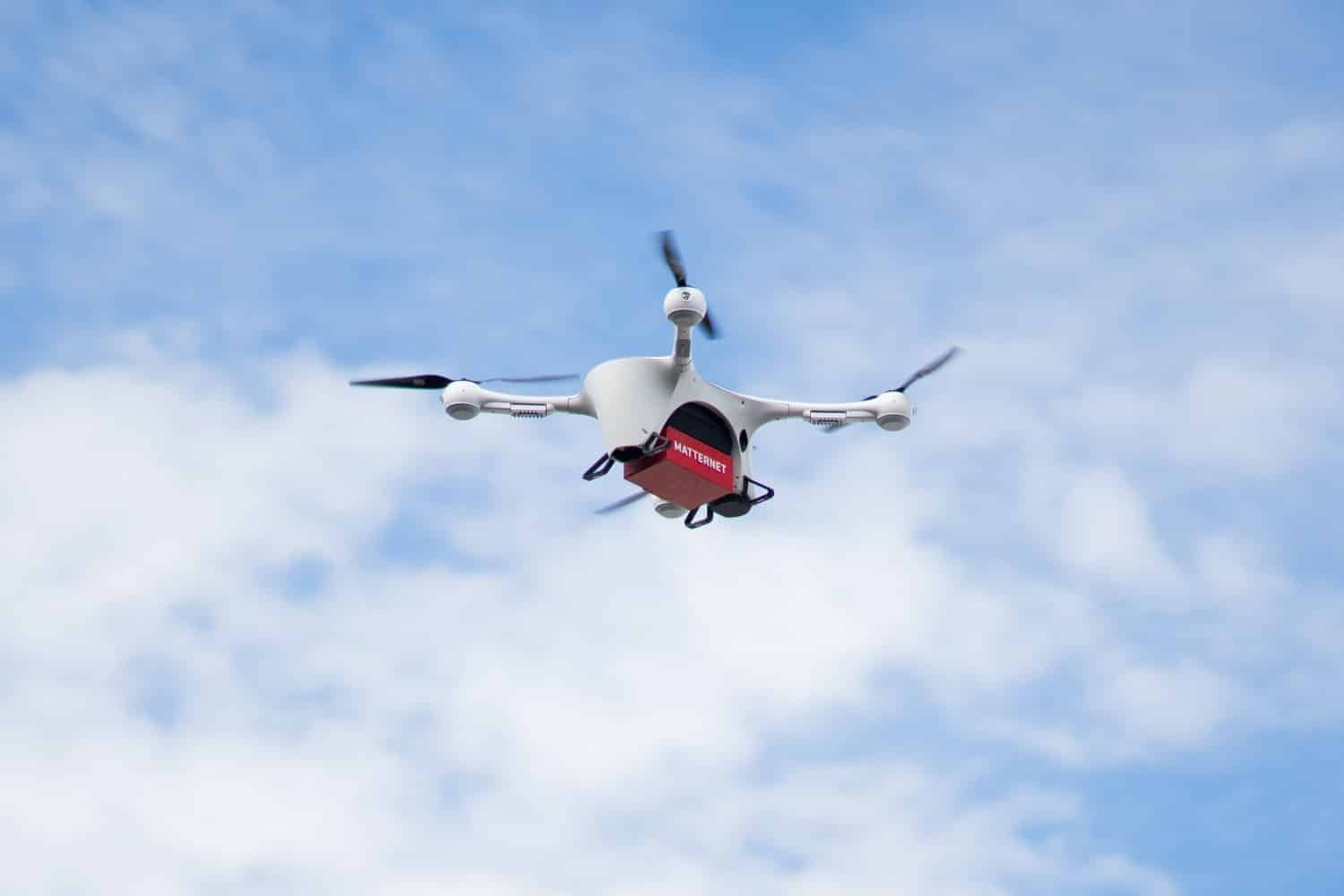
Chicago’s approval of expanded drone operations marks a turning point for urban logistics. The decision suggests that the decision allows broader testing and deployment across select zones, signaling confidence in aerial delivery systems for companies investing in drone delivery USA and logistic automation AI. This is not a pilot anymore. It is a pathway to scale. The move also reflects growing pressure on cities to modernize delivery infrastructure as demand continues to surge.
From Sidewalks to Skylines: A New Delivery Layer Emerges
With this expansion, operators can use autonomous delivery drones in more neighborhoods, especially in busy commercial districts. These drones help reduce traffic by moving small package deliveries off the roads. Early tests showed that delivery times for medical supplies and essential goods were faster.
Urban Logistics AI is also being used to manage flight paths, schedule deliveries, and coordinate airspace. This technology helps drones avoid conflicts and find the best routes in real time. As a result, the system works more like essential infrastructure than just a new gadget.
The Last Mile Gets A Lift
Rethinking The Most Expensive Step
The final leg of delivery remains the most complex and costly. By introducing aerial options, companies aim to reshape last-mile delivery tech into something faster and less dependent on ground traffic. Drones can bypass road congestion, significantly reducing delivery times during peak hours.
But growing the use of autonomous delivery drones takes more than just the right equipment. They need to work smoothly with existing logistics networks, such as warehouses and dispatch systems. Without this teamwork, the benefits will be limited.
A Real World Example
In Chicago’s test areas, drones will carry lightweight packages and must follow strict rules. Retailers might use them for urgent deliveries, such as medicine and perishable goods. These examples show how urban logistics AI helps decide which deliveries should go by air.
Rules Written in the Air: Regulation Takes Shape
Navigating the Legal Framework
Expansion would not be possible without evolving drone policy USA guidelines. Federal and local authorities have introduced stricter safety standards, including altitude limits, geofencing, and operator certification. These measures aim to balance innovation with public safety.
Cities like Chicago are also aligning drone operations with broader smart city logistics strategies. This includes integrating drone data with traffic management systems and emergency services. The goal is to ensure drones complement rather than disrupt urban life.
Public Concerns and Compliance
Noise, privacy, and safety remain key concerns. Regulators are addressing these issues through controlled flight corridors and transparent reporting requirements. Companies must demonstrate compliance with the drone policy USA before expanding operations further.
Smart city logistics plans also help cities assess the long-term effects of drone use. One benefit is fewer delivery vehicles on the road, which means less pollution.
Business Implications: Opportunity Meets Complexity
Efficiency Gains With Trade-Offs
For logistics companies, this expansion brings new chances to improve last-mile delivery tech. Faster deliveries can make customers happier and help avoid slowdowns. However, buying drone fleets and building the needed infrastructure still costs a lot upfront.
The broader push toward drone delivery in the USA also introduces new cost variables, as logistics automation AI does. Maintenance, airspace management, and regulatory compliance add layers of complexity. Companies must weigh these factors against potential efficiency gains.
Competitive Pressure Builds
Retailers and logistics companies are paying attention to this change. Those who start early could stand out by offering faster deliveries. Still, for drones to become common, they will need to perform well and keep costs down.
Urban logistics AI will be key in this area. Companies that can plan better routes, reduce waiting time, and manage their fleets effectively will get more value from their investment.
Infrastructure Beyond Roads
Building the Support System
Drone delivery requires more than just drones. It also relies on landing spots, charging stations, and safe ways to handle packages. These parts are the foundation of a working aerial logistics network.
Cities need to update their current infrastructure to support autonomous delivery drones. Rooftops, parking garages, and special hubs could become important parts of this network. Careful planning will help operations grow smoothly.
The Road Ahead for Drone Delivery, USA Logistics Automation, AI
Chicago’s decision shows a bigger change in how cities handle logistics. Expanding drone operations means cities are open to testing new delivery methods while still maintaining rules for everyone involved. The main challenge is finding the right balance between new ideas and practical solutions.
As drone delivery , USA logistics automation AI continue to evolve, success will depend on coordination among technology providers, regulators, and urban planners. The groundwork being laid today will shape how goods move through cities in the years ahead.








