






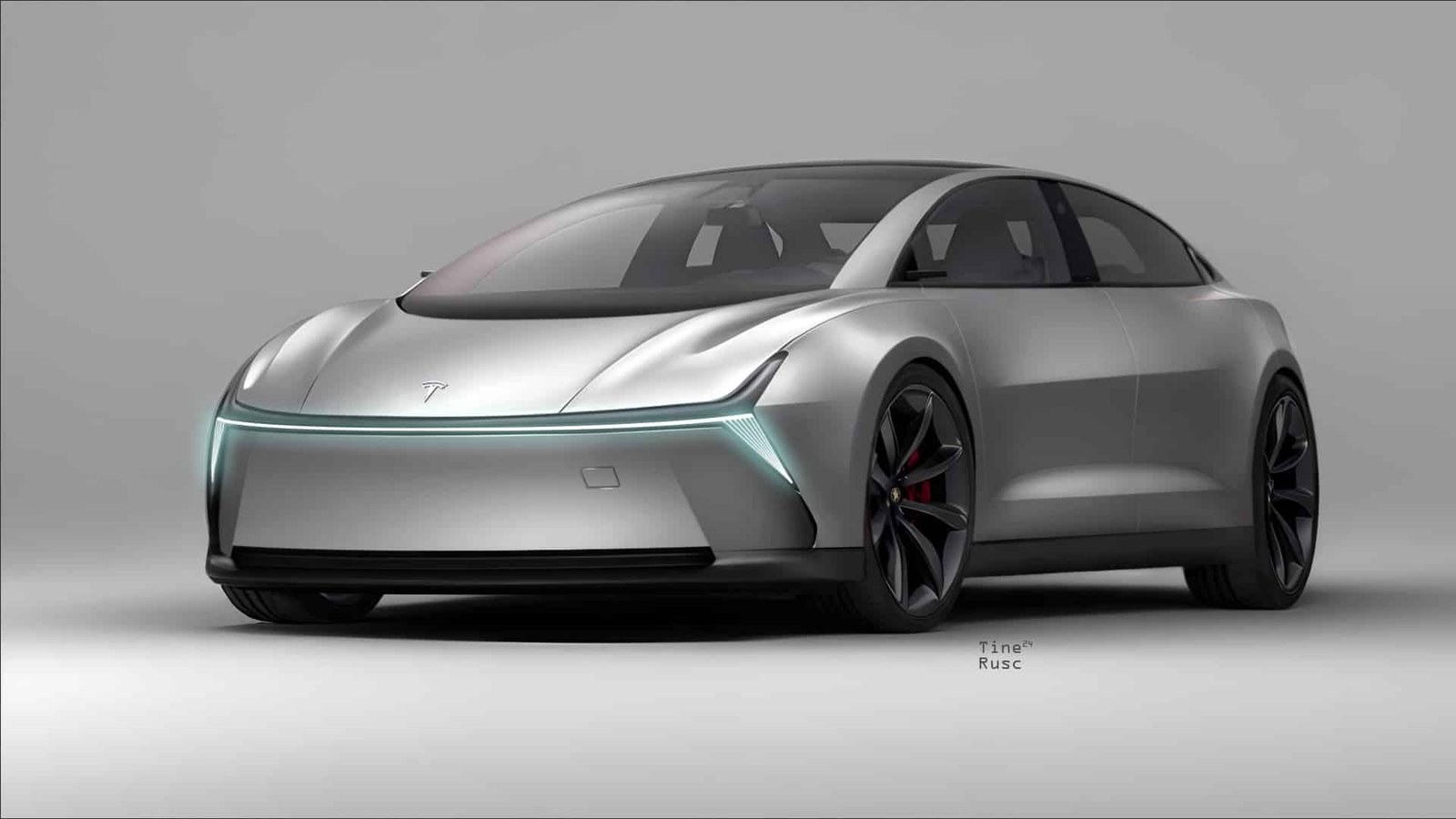
Austin, Texas: Henry Ford’s century-old assembly line model limits automotive manufacturing efficiency. Moving a stamped metal shell through a sequential path forces workers to operate in cramped spaces, slowing production rates and inflating costs. To bypass this barrier, the company engineers the Tesla Unboxed process. This method breaks vehicle assembly into independent parallel modules before a final join. The patent covering this assembly technique dictates the speed and cost structure of the upcoming affordable $25,000 EV. By taking this approach, engineers aim to halve production costs.
The Modular Shift in Production
Traditional car factories need a lot of space and costly paint shops. Under the new Tesla Unboxed process, vehicles are built in separate sections, including the front and rear underbodies, the battery floor, and the cabin. Workers can finish each part on its own before everything is put together. For instance, seats and interior trim can be installed while the floor is still open and easily accessible.
Previously, car makers used stamped parts that needed hundreds of spot welds, which made cars heavier and more complicated. Now, single large-piece castings reduce the number of parts and make the frame stronger. The new patent explains how these castings fit into the parallel assembly process without needing workers to line them up by hand.
The technique changes the economics of Cybertruck manufacturing at Austin’s main facility. By building components in parallel, the company reduces station time and allows more robots or operators to work on the vehicle simultaneously during autonomous assembly. The new patent relies on high-strength structural adhesives and engineered gaps to compensate for irregularities in the substructure. This tweak maintains build quality while increasing output speed.
Without being tied to a straight assembly line, engineers can set up work areas tailored to each part’s needs. The front and rear frames receive their suspension and powertrain components before they are joined. This modular setup avoids the usual slowdowns in older factories, where a single problem can bring the whole line to a halt. It also means the factory can be forty percent smaller than traditional plants.
Physical AI and Automated Integration
Advanced software is changing how hardware is put together. Tesla uses physical AI to set up cameras and sensors while the car is being built. This technology guarantees each part meets exact standards before everything is joined together.
Neural networks also observe how the modules align in real time. They catch tiny structural differences before they turn into assembly mistakes. This kind of automation replaces manual checks.
As gigafactories grow, these automated work sites operate continuously. A gigafactory using the parallel module system needs much less space than a regular car plant. Using less space also means it costs less to make each car.
The Long-Term Industry Impact
The transition to parallel assembly resets the industry baseline. The Tesla physical AI impact on traditional automotive assembly forces legacy automakers to rethink their hundred-year-old assembly lines. Competitors must adopt modular infrastructure and zonal wiring to stay competitive on cost and volume during autonomous assembly.
For affordable mass-market EVs, this method means there’s no need for a full-body paint shop on the main assembly line, which is usually very expensive. Instead, the metal parts are treated and painted in advance. The last step is just putting the pre-painted and pre-trimmed pieces together.
The old way of building cars uses welding to join stamped metal panels, which requires many heavy, energy-hungry machines. The new method utilizes precise casting and glue to bond parts together. This cuts the number of parts from hundreds to just a few dozen, so it costs less to set up tools for a new car model.
Manufacturing Metrics and Autonomous Fleets
The scale of Cybercab manufacturing depends entirely on the throughput of this parallel system. The company intends to produce two million units per year. To achieve this, the Cybercab manufacturing line must operate with high reliability. A single bottleneck in the supply chain could slow down the entire facility.
The supply chain also needs to change to keep up with this pace. Instead of storing lots of parts, the factory gets each part delivered just when it’s needed. With fewer parts, the team can focus more on checking the quality of the most important pieces. If there’s a defect, automated systems spot it right away, preventing it from causing more problems later in assembly.
The car’s design uses a 48-volt low-voltage system, reducing copper use and simplifying wiring. Inside, there are no physical stalks or old-style instrument panels. Instead, everything is controlled through the main screen and cameras.
A Robotaxi built with this method costs less in materials than regular electric cars. Lower production costs mean Tesla can sell a Robotaxi for $25,000. Making lots of them at once lets the company deploy large fleets of self-driving cars in big cities.
Future Horizons for Vehicle Production
This new way of thinking about manufacturing changes how companies look at investing in their factories. Businesses that use parallel modular assembly can cut costs more quickly than those that stick with old conveyor systems.
Using the Tesla unboxed process sets a new standard for how efficiently and at what scale cars can be made. The success of this method shows that combining software and hardware matters not just for driving, but also for building cars. By innovating how cars are assembled, Tesla is laying the foundation for the next ten years of car manufacturing.
Source: Tesla’s Physical AI: The Sovereign Architect of Robotics in 2026








