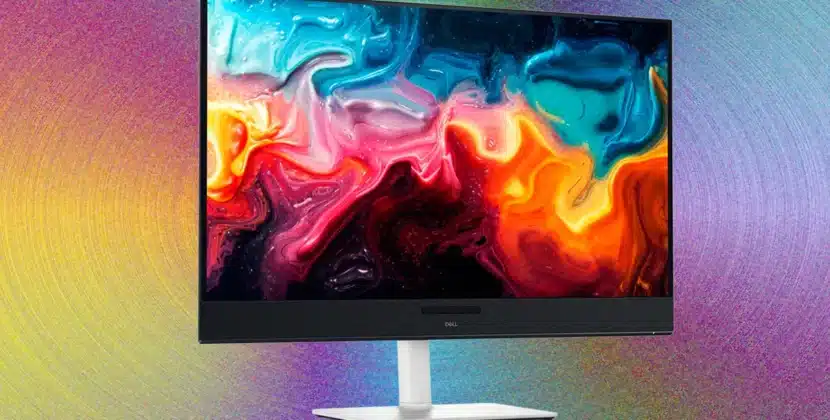


Round Rock, Texas: a typical deep learning studio wastes nearly 12 hours per week correcting color inaccuracies in generative model renders. This financial loss forces creative directors to rethink their monitor procurement cycles. When designers work with generative models, standard sRGB panels simply cannot display the true depth of the latent space. The introduction of the Dell UltraSharp | QD OLED AI solves this problem by providing precise contrast and high color precision. However, adopting this new monitor class requires clients to reexamine their overall computing budgets. Technology leaders must now calculate the hardware requirements for high-quality AI video generation monitoring before deploying these displays across their studios.
The Economics of Dell UltraSharp | QD OLED AI Introduction
Moving to quantum-dot OLED monitors means creative agencies must invest more. These monitors control each pixel, delivering an infinite contrast ratio and preventing color blooming found in older IPS or mini LED screens. For teams with strict model pipelines, this brings confidence. However, maintaining these high standards comes at a higher cost.
When working with physical AI models, color precision can slow down operations. Designers must seek precise lighting plus shadows for their new neural networks. The Dell Ultrasharp | QD OLED Air meets this need by providing high-quality color.
Organizations with complex modeling pipelines see higher costs when switching to OLED displays. Regular monitors do not perform well in bright rooms, so studios frequently need to lock costly light-controlled spaces. Dell solves this by adding special anti-glare tech to the panel surface.
Take a large film studio training a physical AI algorithm for digital characters. The team checks each frame to ensure lighting and textures are correct. Achieving this level of visual quality adds about fifteen percent to the workstation budget. This extra cost is due to the micro-lens arrays needed for deep blacks and bright highlights.
Advanced Panel Calibration and Ergonomic Demands
Administering complex calibration is tough for corporate IT teams. Creative teams must follow strict rules for handling client color spaces. Monitors with DisplayHDR True Black 500 certification ensure training and output images display the correct gamma curves during grading. To meet these color standards, companies often need to choose more expensive monitors.
Imagine a major production post-production firm checking footage from a visual synthesis engine. They need monitors with accurate hardware LUTs (lookup tables). This requirement raises the budget for visual synthesis workstations by almost 25% compared to regular office monitors.
The higher price is due to the materials used in quantum dot panels. Since each pixel produces its own light, it creates more heat. This heat means the monitor needs active cooling inside. As a result, system administrators may need to change the studio layout to avoid overheating, which increases costs.
Hardware Comparison in Professional Enhancements
The difference between consumer and professional hardware is clear. Unlike the gaming-focused Alienware Pro series, professional monitors use uniform brightness stabilization. This feature prevents the screen from dimming on fully white backgrounds, so users can see image details clearly.
Market Dynamics and Enterprise Budgets
Switching to emissive displays changes the economic prospects for creative studios. In the past, hardware makers competed on brightness and refresh rates. Now, capabilities such as integrated anti-glare tech and pixel-level dimming are standard. This shift now affects chief technological officers as they plan their purchases.
When planning hardware projects, finance teams need to include the cost of special panel features. For example, a typical 100-station audio sees display costs rise by 25% when switching to professional QD OLED models. This increase comes from panels being more complex to make.
Picture a design team testing a video generation model. They need a display with Display HDR True Black 500 to see shadow details clearly. If the monitor cannot show these details, the team spends more time fixing and grading the footage.
Professional features set this display apart from consumer options like the Alienware Pro. While Alienware Pro is built for low input lag and fast refresh rates for gaming, the professional model focuses on deep color and even brightness.
Optimizing Budgets Under New Constraints
Tech leaders need to cut these extra costs without losing visual qualities. One way is to use professional monitors only where needed. Instead of upgrading every workstation, teams can give the new displays to technical artists and colorists. This helps keep operating costs down.
Another option is to use enterprise leasing programs for the new monitors. By agreeing to use them for three years, companies can reduce their upfront costs.
Forward-thinking companies use monitoring means to track how OLED panels wear out. By reviewing daily usage, IT teams can remove unnecessary monitors and reallocate resources where they are most needed.
Adding the Dell UltraSharp | QD OLED AI to a regular workstation setup changes how the studio works. The monitor needs different cables to handle high-bandwidth video without compression. Studios also need to upgrade their graphics cards and connection hubs.
Future Horizons
Bringing in quantum dot technology denotes a lasting change in how studios manage their budgets. Companies that upgrade screens without careful planning may see their profits and profit margins shrink. The key measure for large hardware investments is the ability to add more workstations without significantly increasing operating costs.
Source: Dell Technologies Newsroom



