




Microsoft is preparing a new Copilot offer for small and mid-size businesses. The company is also adding new AI agent features to Microsoft InTune and updating how partners can access the Windows kernel.  

These announcements reflect Microsoft’s commitment to strengthening its partner ecosystem and security capabilities. They were unveiled as part of the company’s Partner Program and Security Updates during the Ignite Conference, an annual event for developers that runs through Friday in San Francisco.  

The Partner Program updates also focus on helping solution providers and improving their skills in cloud and AI technologies. Nicole Dezen, Microsoft’s chief partner officer and corporate vice president of global channel partner sales, says the organizations that spend 10 to 20% of their time on training can outperform others, innovate more quickly, and lead their industries.  

In an AI-first world, scaling is the new currency, Dezen said in a blog post on Tuesday.  

Microsoft Ignite 2025 

Other updates in Security and Partner programs at Ignite 2025 include:  

  • A new App Accelerate offer that combines new incentives, benefits, and course support across the Microsoft Cloud.  
  • New partner destinations  
  • Updates to Purview, Entra, and Defender  

Keep reading for more details on the biggest news from Ignite 2025 about Security and the Microsoft Partner Program.  

Partner Scaling Hub App Accelerate Marketplace Updates 

Microsoft’s partner’s scaling hub is now widely available, and reviews for the app accelerator offer have started.  

The Skilling Hub provides partners with live, virtual, and on-demand learning for pre-sales and technical roles. According to Microsoft, partners can also earn certifications through the Hub.  

App Accelerate, fully available in 2026, will provide developer partners with technical guidance, tools, and go-to-market resources.  

In addition, Microsoft now offers resale-enabled options worldwide on its online marketplace. This lets publishers and channel partners resell software products and services directly, making transactions easier, expanding their reach, and helping them grow revenue, according to Microsoft.  

New Partner Destinations Badging 

The Frontier Partner badge recognizes providers that combine AI agents with human creativity to drive innovation. Earning it requires excellence in key Microsoft Cloud and AI areas.  

The Frontier Distributor Destination is for distributors helping partners deliver value to SMBs and is now available globally.  

The Support Services designation is for partners excelling in customer satisfaction, problem resolution, and service quality. The Digital Sovereignty specialization recognizes expertise in designing and implementing sovereign cloud strategies across Azure, Microsoft 365, and security.  

Microsoft 365 Copilot Business 

In December, Microsoft plans to launch a Copilot offer designed for small and mid-sized businesses.  

According to Microsoft Solution Providers in the Cloud Solution Provider (CSP) program, this Co-Pilot offer can help make work easier and boost productivity. It delivers more value to customers with trusted AI. The offer provides full Co-Pilot features across the Microsoft 365 Business Basic, Standard, and Premium plans.  

The cost for Microsoft 365 Copilot Business is $21 per user per month, and it applies to businesses with up to 300 users. This is for adding Copilot to any Microsoft 365 Business Basic, Standard, or Premium license. Starting December 1, Microsoft will introduce Microsoft 365 with Copilot for Business, making adoption easier and more affordable in line with renewal season.  

With these bundles, users can renew their base Microsoft 365 licenses and add Copilot for an additional $10 per user per month. For Business Premium users, adding a Purview promotion costs an extra $15 per user per month. This means Business Premium users who want both Copilot and Purview will pay $25 per user per month in addition to their base license fee.  

Microsoft has been including its security Copilot AI tools with Microsoft 365 E5 licenses.  

Eligible E5 license holders will receive 400 Security Compute Units (SCUs) per 100 paid seats per month. Their allocation is capped at 10,000 SCUs per month, according to Microsoft.  

Microsoft believes this capacity will cover most typical needs. It will limit usage beyond the allocated SCUs. Users can pay $6 per SCU on a pay-as-you-go basis. If they need more, they will get a 30-day notice before this option becomes available.  

This change is already in effect for users with Security Copilot and E5 licenses and will roll out to all E5 license holders in the next few months.  

Windows Security Recovery Updates 

Several Windows security and recovery features are now in preview or generally available. These include:  

  • Windows Cloud I/O Protection  
  • In-tune management for Windows recovery  
  • point-in-time restore  

According to Microsoft, the new I/O protection feature offers advanced input protection against keylogging malware and keystroke injection attacks.  

Intune Recovery, now generally available, lets users remotely manage the Windows Recovery environment (WinRE). It gives a single, scalable management platform for recovery. Users can run custom recovery scripts and start recovery actions. Microsoft also plans to add this to Windows servers running in Azure Virtual Machines via the Azure portal.  

Point-in-Time Restore lets users roll back individual devices or groups to a previous state. This avoids complicated troubleshooting. The feature will be available in preview in the Windows Insider build of Windows 11 this week.  

According to Microsoft, new Windows devices next year will include Hardware Accelerated BitLocker for Full-Disk Encryption. There will be stronger hardware-based protection. In early 2026, Sysmon functionality will become generally available in Windows. This will allow security events to be accessed through an event node.  

Other Windows security features now generally available include:  

  • Post-quantum cryptography  
  • Zero trust  
  • DNS  
  • Passkey manager integration with Windows Hello  

Trust DNS uses encrypted DNS and approved servers to prevent unauthorized access during outbound name resolution.  

External Identities support is now generally available to secure logins for contractors and partners. Multiple simultaneous network links are also available. This ensures flawless failover and better connection performance.  

Microsoft is adding new networking features and auto patch management to give enterprises more control over quick machine recovery (QMR). These are part of several improvements to Windows recovery tools.  

According to Microsoft, Windows Recovery Environment will use the networking configuration from the main Windows system, so a separate WinRE setup is not needed. It currently supports Ethernet and will soon support enterprise Wi-Fi with WPA 2/3 and device certificates.  

A Cloud Rebuild for Windows 11 is now in preview for PCs with erratic behavior. Users can choose the Windows version and language through Intune. The PC downloads the installation media, rebuilds itself, and lets the user resume Autopilot. This ensures the correct mobile device management (MDM) setup. Intune Windows Backup for Organizations and OneDrive can then quickly restore the user’s apps, settings, and files.  

Auto Patch Update Readiness, now in preview, provides IT teams with greater transparency, predictability, and control. It helps them assess device fleets, spot possible issues before deployment, and plan rollouts.  

Windows Endpoint Security Kernel Access 

Microsoft has made the Windows Intune Security Platform (WESP) generally available to partners with building security tools that operate outside kernel mode, meaning these tools work without deep access to the core of the operating system.  

Microsoft says the new API is designed to lower the risk of crashes and improve stability. The company learned from the faulty CloudStrike software update that used a global Windows update in 2024.  

As part of this initiative, Microsoft is working with its Windows driver partners to move third-party drivers out of the kernel. The company is also making kernel-mode drivers more secure to reduce reliability risks. This is especially important for drivers like graphics that must remain in user mode for performance, according to Microsoft.  

Windows driver signing now includes new certification tests and adds more built-in drivers and APIs. These updates aim to replace custom kernel drivers with standard Windows drivers or shift their functions to user mode.  

Microsoft expects that over the next few years, there will be much less code running in kernel mode for drivers like:  

  • Networking  
  • Cameras  
  • USB   
  • printers  
  • Batteries  
  • Storage  
  • Audio  
  • Others  

Microsoft will continue to support third-party kernel-mode drivers, enabling innovation and their use when no built-in alternatives exist or are needed for user experience.  

Microsoft is adding new protections to kernel-mode drivers. These drivers operate at the core level of the Windows operating system and control hardware directly. New protections include:  

  • Required compiler safeguards that restrict code behavior  
  • Driver isolation that limits the system impact of driver problems  
  • DMA remapping, a technique that prevents drivers from accidentally accessing sensitive kernel memory  

In major incidents, Windows users can now get help from Microsoft engineers through the Windows part of Mission Critical Services for Microsoft 365.  

A new digital signage mode is coming soon for non-interactive public display devices. Restaurant menus, airport flight boards, and similar signs will no longer show window screens or error messages. Diagnostics or recovery are needed. Windows will display the error screen for 15 seconds, then the display will turn off until someone uses a keyboard or mouse.  

Tune is adding new security Copilot agents for activities such as change review policy, setup, and device offboarding.  

The Device Management Service now has an administrator of tasks feature to centralize important actions such as approval requests and security. This centralizes important actions such as approval requests or security tasks. It also added a deployments feature for phased rollouts and a maintenance windows feature to help schedule updates with less disruption to business operations while blocking attacks from malicious attachments or social engineering malware (malicious software spread by deceiving users!).  

Updates for Microsoft Purview 

In the next few weeks, Microsoft will launch a public preview of new Purview data governance features, including an AI-powered tool for managing data security posture.  

The new DSPM feature combines per-view DSPM and DSPM for AI, providing a single place for data security insights and controls. It adds outcome-based workflows, broader coverage, and tools for remediating data risks. Organizations can also track agent risk and posture metrics based on agent interactions with their data.  

A new security Copilot agent in Purview is designed to help users quickly find and analyze sensitive data, disclosing hidden risks. This tool helps users disclose hidden risks in files, emails, and messages. Purview users can also see data risks in Salesforce, Snowflake, and other non-Microsoft sources, as well as data breaches, through Microsoft Sentinel integrations. They have more features, including protections for autonomous agents and an insider risk management tool that lets users flag risky agent activities by applying specific indicators and behavioral analytics.  

Azure AI Search now uses Microsoft Purview sensitive labels, which are tags that indicate data sensitivity levels, and applies related protection policies through built-in indexes (automated tools for organizing and searching data). Purview data loss prevention (DLP) policies, which protect sensitive information from leakage, now also work in co-pilot mode in the Edge for Business Browser.  

The public preview now includes:  

  • Purview DLP for Microsoft 365 Copilot  
  • More apps with inline data protection in Edge for Business  
  • new reports on usage, compliance gaps, and Purview seat assignments  

New information protection can now detect sensitive information in meeting transcripts with its on-demand classification feature, which is in public preview.  

The generally available features include:  

  • On-Demand  
  • Endpoint Classification  
  • Default Sensitivity Labeling for the entire SharePoint Documentation, Document Libraries, and a Data Security Triage Agent  

Priority cleanup in Purview data lifecycle management for SharePoint and OneDrive is now generally available, allowing users to override retention policies and delete files in compliance with regulations.  

Quentin Rhoads-Herera, Vice President of Security Services at Charlotte, NC-based Stratascale, which is part of SHI International and ranked number 12 on CRN’s 2025 Solution Provider 500, told CRN that Microsoft’s Purview data platform and data security are in high demand among its customers.  

As more companies adopt AI, customers are paying closer attention to data labeling and governance. This trend has led to more work for Stratascale, SHI, and other Microsoft solution providers.  

Microsoft Entra Enhancements 

Microsoft Entra Identity now has new agents in preview for:  

  • Conditional access optimization  
  • Access review  
  • Identity risk management  
  • Application lifecycle management  

The expanded public preview of Microsoft Entra Agent ID lets users grant AI agents secure access using the same identity tools used for workforce identities. Users can manage agent identities, life cycles, and resource access.  

Soft Entra internet access now has public previews for:  

  • Prompt injection protection (defending against malicious user input)  
  • Network file filtering (controlling files transferred over the network)  
  • Shadow AI detection (finding unauthorized or hidden AI use)  
  • Blocking employee access to MCP servers by web address (restricting network traffic to certain Microsoft infrastructure)  

Microsoft has released public previews for improved multi-factor authentication in EntraID. The updates contain:  

  • Synced passkeys from Apple and other passkey profiles  
  • Self-remediation for passwordless users  
  • Self-service account recovery  
  • Web address filtering  
  • Guest access for external users from different tenants  

All these features are in public preview.  

Microsoft Entra Secure Access Edge (SASE) now offers preview features that can block attacks in real time, reducing exposure to risk.  

Azure Cosmos DB ID authentication, which extends Azure’s Unified Identity for database access, is now generally available.  

Developments for Microsoft Defender 

Microsoft Defender has added several new agent features, including:  

  • Phishing Triage  
  • Threat Intelligence  
  • Vibe Hunting  
  • Adaptive Threat Detection  

A based email grading system that replaces manual reviews and gives quick, clear verdicts and explanations for every reported email.  

Real-time threat detection agents actively look for false negatives and blind spots that traditional alerts might miss during an incident. These are threats that traditional alerts might be missing. When an incident occurs, agents start an automated search to find threats that have not been detected. Point and Okta. This enables real-time threat detection and automatic containment. For example, phishing and identity compromise  

The new predictive shielding feature, which automatically disrupts, activates as soon as an attack is contained. As an attack is contained, it predicts where an attacker might go next. The feature uses just-in-time hardening to block them from moving further. Defender for Cloud’s runtime protection, which is improved by agent-based remediation.

Source: Microsoft Ignite 2025: The Biggest Partner Program, Security News 
Key Points 

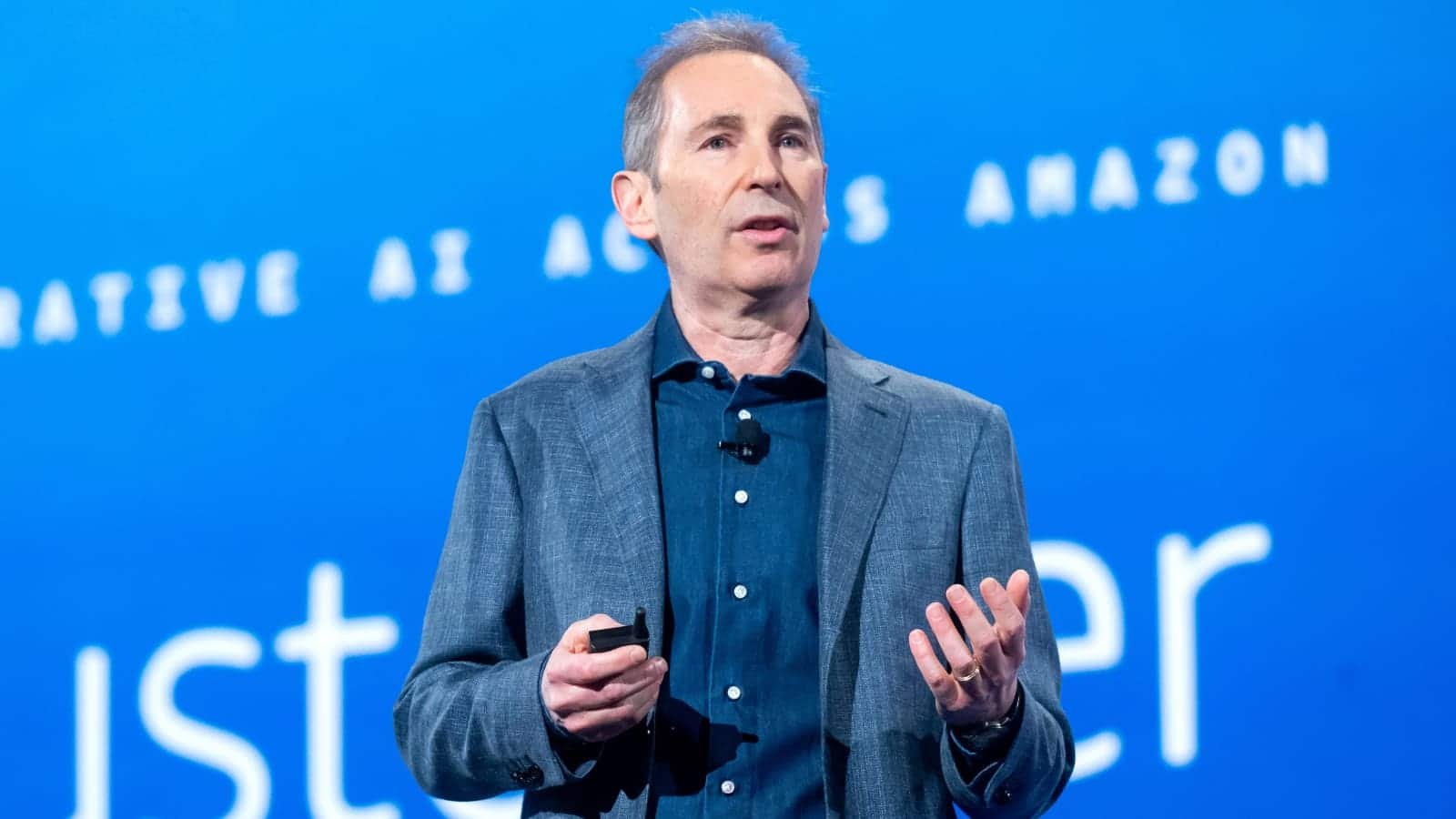
  • Amazon CEO Andy Jassy said that as the company adopts more generative artificial intelligence tools and agents, the company’s corporate workforce will decrease over the next few years due to automation of certain tasks currently performed by employees.  
  • I see encouraged employees to proactively learn and use AI tools, experiment with them, and seek opportunities to increase productivity and efficiency within smaller teams, as some roles are automated.  
  • Amazon has invested heavily in AI, launching new products and rapidly expanding data centers to meet the growing demand.  

Amazon Web Services (AWS) and OpenAI are collaborating to develop an advanced platform for developers creating AI applications. This platform will enable AI agents to maintain context, retain past work, use diverse software tools and data sources, and leverage robust computing power.  

The stateful runtime environment will leverage OpenAI’s models and be accessible via Amazon Bedrock. It is positioned as the next progression in deploying advanced AI models. These environments allow models to efficiently access computing resources, persistent memory, and identity.  

We’ve collaborated to invent a stateful runtime environment powered by OpenAI’s GPT models, which will be available in Bedrock. Amazon CEO Andy Jassy said in a CNBC interview with Andrew Ross Sorkin: “If you’re an AI, we’re no longer together training those in that stateful runtime environment on AWS’s infrastructure. There’s nothing else like that today. It is really the next generation of how AI developers will build their AI applications, and then the training today, we know we have the two largest AI labs, which are both significantly betting on Trainium, which is exciting.”  

A Stateful Runtime Environment supports ongoing projects by enabling AI models to retain context, recall prior work, use diverse tools and data sources, and access computing resources.  

Stateful developer environments are optimized to run efficiently on AWS’ infrastructure. They will integrate with Amazon Bedrock, Agent Core, and other AWS services, enabling customers’ AI applications and agents to interact seamlessly with their broader AWS ecosystem.  

Developers and companies are eager to run OpenAI-powered services on AWS. Our collaboration with OpenAI on stateful runtime environments will redefine what’spossible for customers building AI apps and agents, Jassy said.  

A stateful runtime environment is expected to launch in the coming months.  

On Tuesday, Amazon CEO Andy Jassy said the company’s corporate workforce will shrink over the next few years as it introduces more generative artificial intelligence tools and agents.  

We will need fewer people handling some jobs currently handled by humans, as AI tools and agents can automate those tasks, while more people will be needed for other jobs that still require human skill. Jassy said in a memo to employees, “It’s hard to know exactly where this nets out over time, but in the next few years, we expect this will reduce our total corporate workforce.”  

He urged employees to embrace AI tools, experiment with them, and identify ways to increase productivity with smaller teams.  

Since 2022, Amazon laid off more than 27,000 employees and made further cuts this year, including about 200 jobs in its North America Stores unit in January and another 100 in its Devices and Services unit in May.  

As of March, Amazon employed 1.56 million full-time and part-time employees worldwide, including temporary warehouse staff and contractors.  

Jassy said Amazon is widely using Generative AI in its internal operations, especially in its fulfillment network. The technology handles tasks such as inventory placement, demand forecasting, and improving warehouse robot efficiency, which traditionally required human input.  

Other tech CEOs have made similar statements. In April, Shopify’s Toby Lutke said employees must show why AI can’t meet their needs before requesting more resources.  

Last month, Klarna’s CEO said the company cut staff by 40%, partly due to AI and natural turnover.  

Amazon has invested significantly in artificial intelligence, launching proprietary products and rapidly expanding its data centers to meet escalating demand for technology. Jassy described generative AI as a once-in-a-lifetime reinvention of everything we know. He also said that technology is saving companies a lot of money and will change the way people work in coding, searching, financial services, shopping, and more.  

It’s moving faster than almost anything technology has ever seen, Jassy said.

Source: Amazon CEO Andy Jassy explains the benefits to developers on the Stateful Runtime Environment that Amazon and OpenAI will co-create 

Tech AI will shrink Amazon’s workforce in the coming years, CEO Jassy says

Intel is making a landmark investment of over $20 billion to establish two state-of-the-art chip factories and a central hub for advanced semiconductor manufacturing in the Midwest, underscoring its commitment to American innovation and supply chain resilience.  

This investment will increase production to meet growing semiconductor demand, support new Intel products, and serve foundry customers as part of the IDM 2.0 strategy. Intel will also invest $100 million with local educational institutions to develop talent and strengthen research in the region.  

Today’s announcement is monumental news for the state of Ohio, said Ohio Governor Mike DeWine. Intel’s new facilities will be transformative for our state, creating thousands of good-paying jobs in Ohio, manufacturing strategically vital semiconductors, often called CHIPS. Advanced manufacturing research and development, and the talent that drives them, are part of Ohio’s DNA, and we are proud that CHIPS, which power the future, will be made in Ohio by Ohioans.  

Today’s investment marks another significant step in Intel’s effort to restore U.S. semiconductor manufacturing leadership, said Pat Gelsinger, Intel’s CEO. Intel’s actions will help build a stronger supply chain and ensure reliable access to advanced semiconductors for years to come. Intel is bringing leading capability and capacity back to the United States to strengthen the global semiconductor industry. These factories will create a new epicenter of advanced chipmaking in the U.S., bolstering Intel’s domestic lab-to-fab pipeline and strengthening Ohio’s leadership in research and high-tech.  

The impact of this investment will be substantial for Ohio and the US semiconductor industry. 

This historic private investment will initially create 3,000 Intel jobs, 7,000 construction jobs, and aid thousands more through suppliers. The Licking County site can support up to eight factories and, if fully built, could attract up to $100 billion, making Ohio a global semiconductor hub.  

Planning for the first two factories will start immediately, with construction in 2022 and chip production targeted for 2025. These will feature advanced transistor technology at Intel’s first US site in four decades.  

In addition to Intel’s presence in Ohio, the investment is expected to attract dozens of ecosystem partners and suppliers needed to provide local support for Intel’s operations, from chip manufacturing equipment and materials suppliers to a range of service providers. Investments made by these suppliers will not only benefit Ohio but will have a major economic impact on the wider US semiconductor ecosystem as part of today’s announcement. Air Products, Applied Materials, LAM Research, and Ultra Clean Technology have indicated plans to establish a physical presence in the region to support the site’s build-out, with more companies expected in the future.  

The impact of this mega-site investment will be profound, said Keyvan Esfarjani, Intel Senior Vice President of Manufacturing, Supply Chain and Operations. A semiconductor factory is not like other factories. Building this semiconductor mega site is akin to building a small city, which fosters a robust community of supporting services and suppliers. Ohio is an ideal location for Intel’s press expansion because of its access. It has the potential to attract top talent, robust existing infrastructure, and a long history as a manufacturing powerhouse. The scope and pace of Intel’s expansion in Ohio, however, will depend heavily on funding from the CHIPS Act.  

To help develop and attract a pipeline of trained talent within the region, Intel plans to invest approximately $100 million over the next decade, partnering with Ohio University’s Community Colleges and the U.S. National Science Foundation. These efforts will include collaborative research and the development of semiconductor-specific curricula for degree programs. 

Semiconductors make almost every facet of modern life possible, from computers and smartphones to cars and appliances, and they played an integral role in the technologies that enabled us to stay connected throughout the pandemic, said Christina M. Johnson, president of the Ohio State University. We will also be entitled to a wide range of applications in which Ohio State is actively involved from a research perspective, including:  

  • Artificial intelligence  
  • Quantum computing  
  • Vaccine development  
  • More  

The Ohio State University and partner institutions welcome this pivotal investment, which addresses the global chip shortage, creates educational opportunities, and strengthens Ohio’s position as a leader in talent retention and innovation.  

Intel has a long history of corporate responsibility at its current U.S. manufacturing sites and is committed to establishing strong relationships with the community in Licking County and beyond. Intel has a long commitment. The new site will be designed and constructed with green building principles, and the new factories will be powered by 100% renewable electricity and achieve net-positive water and zero total waste sent to landfill, in support of Intel’s 2030 Green Goals.  

Intel Foundry Services Momentum 

These new factories will not only make Intel’s advanced products but also support the growing demand for Intel Foundry Services (IFS), the company’s new foundry business.  

With IFS, Intel is opening its factory doors wide to serve the needs of foundry customers around the globe, many of whom are looking for more geographical balance in the semiconductor supply chain, said Dr. Randeer Thakur, senior vice president and president of Intel Foundry Services. The Ohio factories are designed for the Armstrong Era with support for Intel’s most advanced process technologies, including Intel 18A. These technologies are critical for enabling next-generation foundry customer products across a range of applications, from high-performance mobile to artificial intelligence.  

The Ohio site will support advanced process technology for US government security and infrastructure needs, further strengthening the region’s role.

Source: Intel Announces Next US Site with Landmark Investment in Ohio 

Classic PC games are still loved for their stories, characters, and gameplay; however, as technology moves forward, their graphics can look outdated. This makes it harder for players to enjoy them as much as before.  

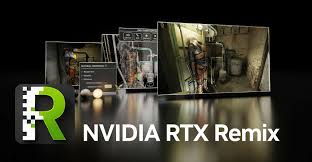
NVIDIA RTX Remix is a modern modding platform for RTX AI PCs designed to address outdated graphics in classic games. It updates these games with advanced path tracing, a technique that simulates realistic lighting by tracking the path of light rays through scenes. This enhancement lets fans enjoy more detailed visuals and allows new players to discover these improved classics.  

Today, we released a new RTX Remix update through the NVIDIA app. With this update, we are introducing a powerful logic system that makes it easier for modders to trigger interactive graphics effects in games based on many different events.  

Introducing NVIDIA RTX Remix Logic 

Historically, modifying a game’s graphics to respond to real-time game events required access to the game’s source code or its engine.  

The Logic System in Remix enables models to change visuals instantly, using 900 graphics settings triggered by events in more than 165 classic games.  

Without RTX Remix logic, if a modder created a snowy winter day using Remix’s path-traced volumetric system a method that simulates 3D elements like fog, clouds, and snow based on how light travels through them that weather effect would appear in every level, making environments feel less dynamic.  

Depth logic models can now set weather and fog to appear only when the player is outdoors, making changes more specific and realistic.  

Remix logic is flexible and supports over thirty types of game events. These include:  

  • the player’s game camera view  
  • world boundaries  
  • object states  
  • time flow  
  • which keys the player presses  

Logic uses a simple, no-code, node-based interface to connect triggers to over 900 graphical changes. The system offers limitless options and can be expanded by the community.  

For example, in Half-Life 2: RTX, it can make a door that opens to two different versions of Ravenholm. Each version features unique lighting and weather. Every time the door opens, a new version appears.  

You can also craft magical items that change the world. For example, you can create a science fiction device. It makes the world appear to breathe when you hold it.  

Logic can detect how close the object is to the player and creates this effect by animating the movement of world materials when the device is held. Remix logic is not just for visual effects. It can also help create new gameplay systems in classic games. For example, we tested a night vision system in Half-Life 2 RTX. It turns on when the crossbow zooms in and uses post-processing to color the image green and black. (Credit to modder xoxor4d) for the idea.  

Systems created with Remix logic can even use multiple game events simultaneously. There’s a paranoia system that warns the player of danger when hidden enemies are nearby. The game detects when an enemy is near the player but out of view, triggering post-processing effects such as chromatic aberration and vignetting to simulate a heartbeat.  

Remix logic can even allow models to create bombastic set pieces similar to those in top AAA games. Here is an example we made by combining traditional source modding with remix logic.  

  • Path-traced particles that turn increasingly chaotic over time.  
  • Lights in the environment start to throb from unstable energy, then a bright flash blinds the player and transforms the skies into a nuclear hellscape.  
  • Zombies approach the player and begin to disintegrate from the new radioactive conditions.  

You can download the RTX Remix Logic update from the NVIDIA app. Check the release notes for full details about all the new changes and features.   

The Remix Community Soars to Greater Heights 

In 2025, the Remix Community had a breakthrough year. Over 50 new Remix mods were released, and more than 20 community tools and plugins were made available through open source contributions. These tools help expand compatibility, improve artist workflows, and boost modder productivity.  

Some of our favorite plugins from this year are compatibility wrappers for Unreal Engine 1 and 2 for the utility engine and for Blender and Adobe Substance. Remix Community members also trend on generative AI models like PBR Fusion 3, which create game-ready materials from low-res textures.  

The new Remix Logic update also includes a brand-new look for the Remix Runtime Menu, designed by Community Developer xoxor4d. This open-source contribution expands customization of the Remix Runtime Menu, adding the ability to resize/re-theme and adjust its transparency. If you are a developer looking to work alongside us to make RTX Remix better, be sure to contribute to our official RTX Remix GitHub.  

On top of all the functionality expansions, several impressive mods have been released, including Unreal RTX, MST Watt 401, and Left 4 Dead 2 RTX by the Nostalgia Drive Team. In addition to these releases, we also got sneak peeks at mods in development, like Call of Duty Black Ops RTX by Skurtyskirts and Clive Baker’s Undying @PathtracedParadise on ModDB.  

With these innovations, Remix logic transforms each rendering feature into an interactive sandbox for experimentation and creativity. We’re excited to see what models will make with it.  

To create your own RTX mods, download NVIDIA RTX Remix from the home screen of the NVIDIA app. You can also get the Half-Life 2 RTX Demo and Portal with RTX from Steam. These show what’s possible with RTX Remix.  

If you want to find RTX Remix mods to download and play, check out Mod DB and the RTX Remix showcase Discord server.  

Visit GeForce.com regularly for updates on RTX Remix, new games, drivers, and software.

Source:  Out Now: NVIDIA RTX Remix Update Introduces New Logic System For Dynamic Graphics 

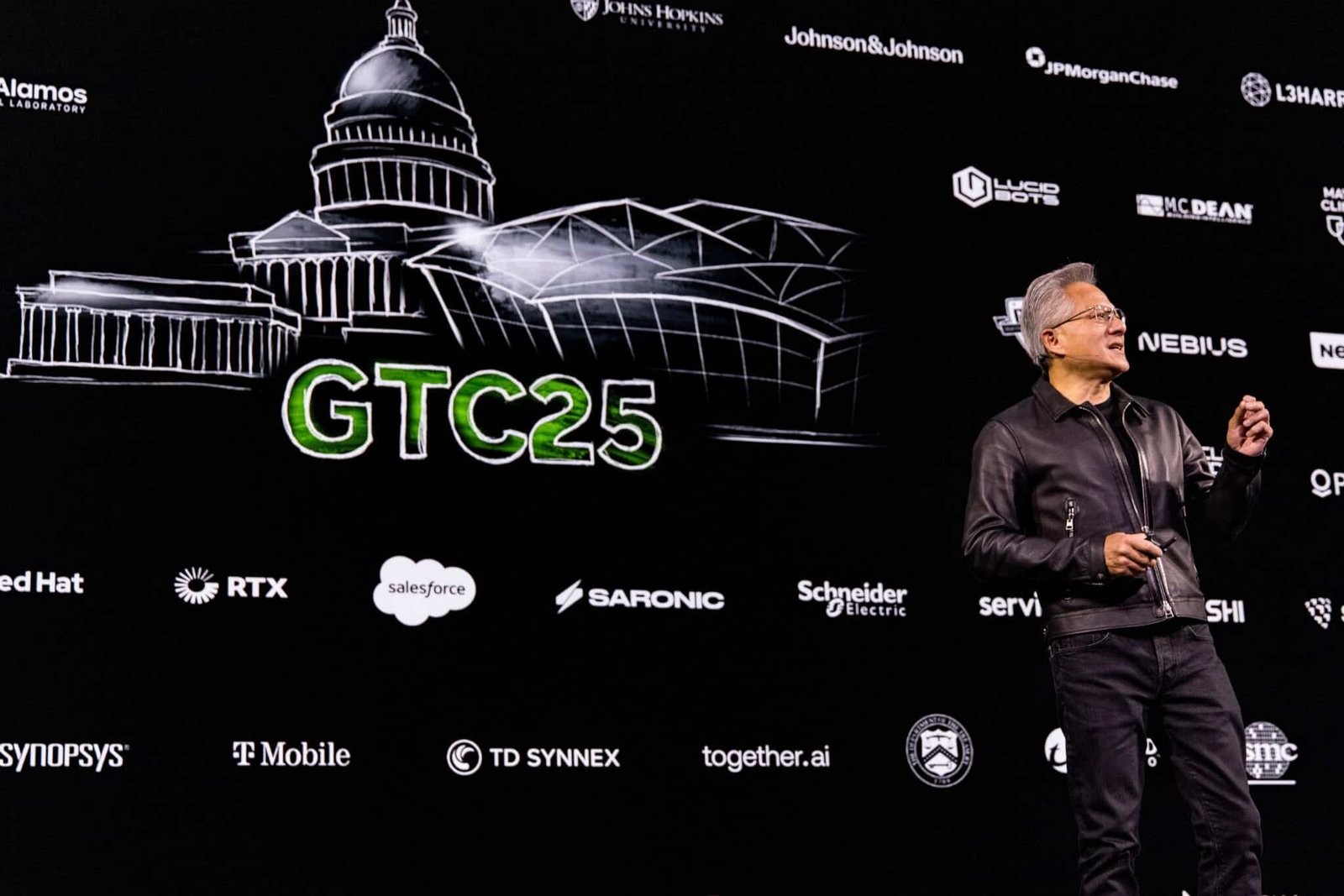
NVIDIA will host GTC, the world’s premier AI and accelerated computing conference, from March 16 to 19 in San Jose, California. Over 30,000 people, including developers, researchers, business leaders, and AI-focused companies from more than 190 countries, will come together to see how AI is becoming a key part of up-to-date infrastructure and driving a new industrial era.  

GTC is at the center of the AI industrial era, said Jensen Huang, founder and CEO of NVIDIA. AI is no longer just one breakthrough or application; it is now essential infrastructure. Every company will use it, and every nation will build it, from energy and chips to infrastructure models and applications. Every part of the stack is moving forward at the same time, and you will watch it all come to life at GTC.  

What to expect at GTC 2026 

Jensen Huang will deliver the keynote at the SAP Center on Monday, March 16, at 11 p.m. PT, outlining NVIDIA’s latest advancements across the AI Stack:  

  • Accelerated Computing  
  • AI Factories  
  • Open Models  
  • Agent Tech Systems  
  • Physical AI  

The keynote will be live-streamed and available on demand at nvidia.com. No registration is required to watch online.  

GTC will showcase all five AI layers:  

  • Energy Chips  
  • Infrastructure  
  • Models  
  • Applications  

through keynotes, sessions, and demos. Attendees will learn how each layer’s unique partners, technologies, and skilled jobs contribute to a major infrastructure expansion.  

GTC will offer over 1,000 sessions featuring topics such as AI factories and workflows, large-scale inference, robotics, digital twins, scientific computing, quantum computing, and enterprise AI developments. These sessions will demonstrate how to build, scale, and optimize every part of the AI stack in practical settings. Jensen Huang will also lead a discussion about the latest advances in open frontier models and industry trends with leaders from organizations such as A16Z/A12 ALP coalition, Black Forest Labs, Cursor, and Reflection AI.  

The GTC Live keynote pre-game show will bring industry leaders together to discuss accelerated computing beyond AI and the underlying 5 layers driving large infrastructure projects. Virtual attendees can watch the pre-game show live online on Monday, March 16th at 8:00 AM PT. Featured speakers will include Perplexity CEO Arvind Srinivasan, LangChain CEO Harrison Chase, Skilled AI CEO Deepak Pathak, OpenEvidence CEO Daniel Nadler, and Mistral AI CEO Arthur Mensch.  

Developers and engineers can gain skills in AI-accelerated computing, networking, data science, and physical AI through nine workshops, over sixty hands-on labs, and on-site certification opportunities. Additional resources include self-paced courses, educator programs, and one-on-one training consultations to grow the workforce for expanding AI infrastructure.  

More than 240 NVIDIA in-sector startups will showcase technologies across physical AI, robotics, generative AI, and enterprise applications. Special startup and venture programs, AI Day with top venture firms, and in-ventures engagement sessions will connect founders and investors working across all parts of the AI industry.  

Developer research and tracks at GTC: developers can learn directly from NVIDIA engineers and partners and plug into the global ecosystem to build the next wave of AI applications. Technical deep dives, C-U-D sessions, and infrastructure workshops will explore large-scale model training in finance optimization and the deployment of AI services across cloud, edge, and software environments.  

Over 150 poster presentations will showcase the latest research from the global AI community, covering model innovation, robotics, systems architecture, and new applications.  

AI across industries and around the world. GTC will turn downtown San Jose into an AI campus spanning 10 venues. Cesar Chavez Park will host a day-and-night market featuring food, entertainment, and live programming. The all-in-podcast will host interviews from the show floor on Wednesday, March 18. Student and Community Day on Thursday, March 19, will open GTC to the wider community at a discounted rate.  

Virtual programming with customized legal regional content is also available through the online session catalog.  

Leaders from organizations across the AI industry, including cloud platforms, model labs, application developers, and robotics companies, will share how AI is boosting productivity and transforming industries.  

Participating organizations span leading companies in software, robotics, automotive research, and AI, including major technology firms, manufacturers, and research institutions.

Source: NVIDIA CEO Jensen Huang and Global Technology Leaders to Showcase Age of AI at GTC 2026 

Intel and Ericsson are partnering to drive AI-enabled innovation in 6G network infrastructure, combining their strengths in computing, connectivity, and cloud from the core to the edge.  

  • The partnership aims to make 6G more open, efficient, and affordable for operators and the broader tech community.  

Their collaboration aims to enable a seamless transition to AI-powered 6G networks and solutions, leveraging joint expertise.  

The extended partnership was announced at Mobile World Congress Barcelona 2026, continuing their long-standing partnership. Their joint efforts focus on mobile connectivity, cloud, and computing for AI-driven RAM and core use cases, as well as on-platform security and accelerated cloud-native solutions.  

Lip-Bu Tan, CEO of Intel, says Intel’s ambition is to be the undisputed technology leader in unifying RAN, core, and edge AI to enable an effortless transition to AI-native 6G environments. Together with Ericsson, we will continue to demonstrate that the future of network connectivity is open, power-efficient, secure, and grounded in intelligent AI inference with future Ericsson silicon powered by Intel’s most advanced process nodes, ongoing multi-year research plans, and flexible AI infrastructure. We are well on our way to supplying the future performance efficiency and supply security that the world’s leading operators require.  

Borje Elholm, President and CEO of Ericsson, says 6G is not simply an iteration of mobile technology. It is the infrastructure that will distribute AI across devices, the edge, and the Cloud. Ericsson’s long history of network innovation and large-scale operator deployments enables us to lead practical integration across the value chain and move 6G from research into commercial reality.  

A Joint Commitment 

As 6G moves from research to use, the industry must work together and follow global standards to turn new ideas into infrastructure.  

The partnership will develop high-performance, power-efficient computing for AI-enabled and AI-supported networks.  

AI-Powered 6G will unite flexible networks, advanced computing, and real-time sensing, enabling faster, more efficient, and capable services as sensing and computing become closely linked across the network.  

Showcasing Collaboration Results 

Intel and Ericsson have achieved milestones in Cloud RAN 5G core and open infrastructure at MWG 2026. They will show more demos at the Ericsson Pavilion (Hall 2), Intel’s stand (Hall 3, stand 3E31), and other event spaces, highlighting their teamwork.  

About Ericsson. 

Ericsson’s high-performance networks connect billions of people every day. For 150 years, we’ve been pioneers in developing communication technology. We offer mobile communication and connectivity solutions for service providers and enterprises. Together with our customers and partners, we make the digital world of tomorrow a reality. www.ericsson.com 

About Intel 

Intel is an industry leader creating world-changing technology that enables global progress and enriches lives. Inspired by Moore’s Law, we continuously work to advance the design and manufacturing of semiconductors to help address our customers’ greatest challenges by embedding intelligence in the cloud, at the network edge, and in every kind of computing device. We unleash the potential of data to transform business and society for the better. To learn more about Intel’s innovations, go to newsroom.intel.com and intel.com.

Source: Ericsson and Intel collaborate to accelerate the path to commercial AI-native 6G 

In early 2026, Meta began changing how it moderates content, especially in the United States. The company is moving away from using third-party fact-checkers, a practice in place prior to 2026, and is shifting to a more open, user-driven approach from 2026 onwards. Some reports call this a U-turn: the new strategy lowers restrictions on political speech, relies more on user-moderated community networks, and addresses criticism that earlier models were politically biased.  

The Three-Hour Rule Context (International Versus US) 

Although there are questions about a 3-hour rule in the US, recent reports indicate that this rule is a new regulation in India, introduced in early 2025 and effective on February 20, 2026.  

India’s 3-hour rule: The Ministry of Electronics and IT mandated that social media platforms, including Meta (Facebook/Instagram), remove fake, unlawful, or deepfake AI content within 3 hours (down from 36). Meta execs, including Rob Sherman, say the three-hour deadline is operationally challenging and sometimes unrealistic. They say it does not provide enough time to properly investigate and review flagged content, which could result in the removal of legitimate speech.  

Meta’s 2025-2026 US Political Strategy 

In the United States, beginning in 2025, Meta adopted a different quiet strategy intended to reduce political volatility and appease critics of previous moderation policies. Meta is phasing out traditional third-party fact-checkers and replacing them with a community-node system similar to X’s. The company is loosening its rules, allowing more types of speech. Now it focuses on enforcement, primarily serious violations and illegal content, rather than general misinformation. Threads and other Meta services have said they will not boost or promote political content.  

With these loser rules, Meta says it will still enforce policies against voter interference and serious election-related violence.  

The Quiet Struggle of Real-Time Moderation 

The challenge of moderating content in real time involves acting quickly, as in India’s three-hour rule, while still allowing enough time to avoid mistakes and ensure a fair process. Companies must act so quickly that they rely more on automated AI moderation, which can lead to mistakes, most notably when managing complex local or satirical political comments to avoid legal trouble and maintain their safe harbor protections. Like in India, companies often remove content first and review it later. This approach can sometimes silence legitimate political speech.  

Many have seen this move toward less intervention as Meta’s response to a more free speech-focused, right-leaning political climate in the United States.  

In summary, while India’s three-hour rule represents a concrete regulatory shift, the US scene is defined by Meta’s quieter, voluntary pivot toward user-migrated content and reduced intervention.  

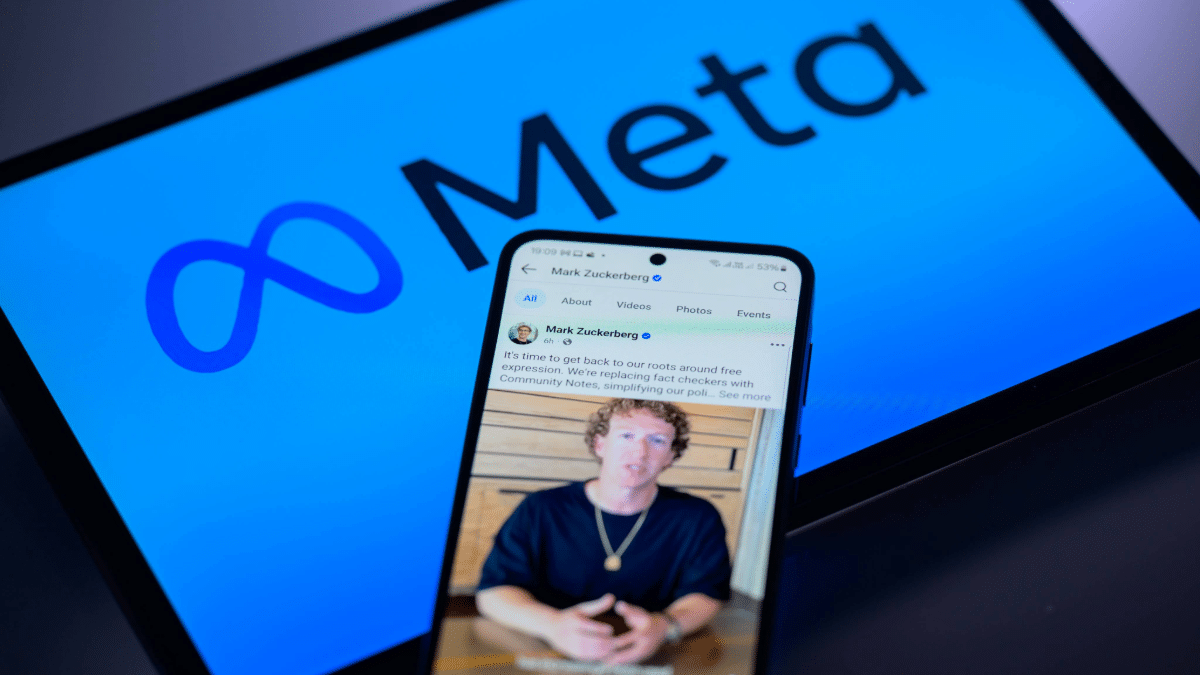
Meta, the owner of Facebook, Instagram, and WhatsApp, announced a major strategy shift today: It is overhauling its content moderation policies to reduce rule complexity and address concerns about over moderation, especially around political and health topics.  

In a blog post titled “More speech, fewer mistakes matter,” new Global Affairs Officer Joel Kaplan explained three main changes to, in his words, undo the mission creep.  

  • Meta will end its third-party fact-checking program and switch to a Community Notes model in the coming months. This change will allow users to annotate and contextualize posts, similar to how it works on x.com, giving the community more influence over flagging and clarifying information.  
  • The Company will remove restrictions on topics that are part of mainstream discussions, allowing more content on widely discussed issues. Instead, it will focus on enforcing rules against illegal and serious violations, such as:  

Terrorism, child sexual exploitation, drugs, fraud, scams. As a result, users may notice fewer removals of popular or contentious posts, but enforcement will remain strict on the most serious offenses.  

  • Users will be encouraged to personalize the political content they see by adjusting their settings. People will have more control over the political opinions and viewpoints appearing in their feeds. This approach enables users to tailor their experience but may also increase the consistency of their information bubbles.  

These changes are important, in part, because a new US presidential administration will take office later this month. Donald Trump and his supporters have said they want free speech to include a much broader range of opinions.  

Facebook has faced criticism from Trump and his supporters over the past few years, especially after the company banned Trump from its platforms as part of its content moderation efforts.  

The United States has strengthened its moderation after facing criticism for spreading misinformation, adding third-party fact-checking in 2016 during the U.S. presidential election.  

This led to the creation of an oversight committee and tools to help users control and report content.  

However, not everyone agrees with these policies. Some critics say the rules are too weak; others think they cause too many mistakes, and some believe the controls are too politically biased.  

Experts, like everyone else, have their own biases and perspectives. This showed up in the choices some made about what to fact-check and how to do it. Kaplan noted that Meta over-enforced its rules, limiting legitimate political debate and censoring too much trivial content. Meta now estimates that 1 to 2 of every 10 censored items were mistakes that didn’t violate policies.  

Some might say these challenges are meant to win over the new administration, but some of these plans have been in progress for a while.  

In the past year, Meta struggled to uphold its own rules. Nick Clegg admitted going too far with moderation, and the oversight board fell short of expectations.  

Now, with political leadership turn-overs, Meta appears to be moving toward a more hands-off approach.  

Meta’s platforms are built to be places where people can express themselves freely. That can be messy on sites where billions of people can have a voice. All the good, bad, and ugly is on display, but that’s free expression, Kaplan wrote.  

The oversight board said it welcomes the news that Meta will revise its approach to fact-checking with the goal of finding an expandable solution to increase trust, free speech, and user voice on its platforms. The board added that it would work with Meta to shape its approach to free speech, signaling a deliberate shift to align with evolving external pressures and internal priorities.  

CEO Mark Zuckerberg has signaled a stronger interest in working with, not battling, the Trump administration. Yesterday, the company appointed three new board members, including UFC head Dana White, a supporter of the incoming president, and last week, Meta replaced its non-time Public Affairs head Nick Clegg, promoting Kaplan to the role. Kaplan had already been part of the policy staff and was known as Meta’s most prominent Republican.  

Meta is also making another change to prevent being stuck in its own echo chamber. Kaplan said, “We will be moving the trust and safety teams that write our current policies and review content out of California to Texas and other U.S. locations.”

Source: Meta drops fact-checking, loosens its content moderation rules 

News Summary 

  • AMD expands its Ryzen AI lineup with the new Ryzen AI 400 and Ryzen AI Pro 400 series desktop processors engineered for next-gen AI PC applications and supporting Copilot+ PC features.  
  • OEM Partners are launching new AI PCs, including enterprise notebooks and mobile workstations, powered by Ryzen AI Pro 400 Series Mobile Processors.  
  • Ryzen AI 400 series mobile processors offer up to 30% faster multi-threaded performance vs. other processors. This helps professionals finish demanding tasks more quickly and still enjoy all-day battery life.  
  • AMD provides its widest range of enterprise PC solutions supported by the AMD PRO platform. This platform boasts security, manageability, and resilience for large-scale AI/PC rollouts.  

At Mobile World Congress 2026 in Barcelona, AMD introduced new additions to its Ryzen AI lineup, the Ryzen AI 400 series and Ryzen AI Pro 400 series desktop processors. These processors offer strong on-device acceleration and next-level performance, letting users run AI applications and large language models locally. They are also well-suited for challenging tasks like design and engineering. AMD is also expanding the Ryzen AI 400 series mobile lineup to include workstations.  

These processors enable OEMs to offer next-gen AI PCs from desktops to mobile workstations built for today’s workloads.  

Ryzen AI 400 series processors are the first desktop AI chips supporting Microsoft Copilot Plus PC features. A dedicated NPU delivers up to 50 TOPS of AI computing power, empowering users and, with on-device AI systems, improving privacy and control.  

Desktop PC is evolving from a tool you can use to an intelligent assistant that works alongside you, said Jack Huynh, senior vice president and general manager of the computing and graphics group at AMD. With the Ryzen AI 400 Series processors, the world’s first design to power new Co-Pilot Plus experiences on the desktop, we’re bringing powerful AI acceleration that enables our partners to build systems that empower both enterprises and consumers to do more and create more.  

The World’s First Copilot Plus Desktop Processor For Next-Gen AI Applications 

AMD Ryzen AI 400 Series Desktop processors are built to ensure scalable performance and smart features for professional tasks. They combine high-performance Gen5 CPU cores, AMD RDNA 3.5 graphics, and a dedicated AMD XDNA to NPU. This mix gives office professionals, developers, and power users the speed, efficiency, and local AI acceleration they need for:  

  • Multi-tasking  
  • Collaborating on software development  
  • Data analysis  
  • AI-assisted work  

These processors provide unwavering performance and on-device intelligence for today’s desktops.  

Ryzen AI 400 SE AM5 desktop systems with Ryzen AI 400 series processors are expected to be available from OEMs like HP and Lenovo starting in the second quarter of 2026.  

Extending Ryzen Ai Leadership Across Notebooks And Mobile Workstations. 

AMD’s Commercial PC lineup includes more Notebooks powered by Ryzen AI Pro 400 series mobile processors, such as the Ryzen AI 9 HX Pro 470, offering up to 30% faster multi-threaded performance than the Intel Core X7-3581. These devices provide AI acceleration, Co-Pilot Plus PC features, and all-day battery life.  

AI Pro 400 series mobile processors deliver next-gen local AI experiences on commercial notebooks and workstations. With up to 60 TOPs of AI computing power, they enhance business productivity and responsiveness.  

Zen AI Pro 400 series mobile processors will also be used in next-generation workstations, delivering the same performance to professional designs and supporting independent software vendors (ISVs). These mobile workstations are built to speed up professional applications that use all available computing resources – CPU, NPU, and GPU – for demanding engineering, creative, and technical tasks.  

Ryzen AI Pro 400 Series Mobile Workstation Availability 

While workstations with Ryzen AI Pro 400 series processors will be available from OEMs such as Dell Technologies, HP, and Lenovo in the second quarter of 2026, they will empower professionals with advanced AI capabilities in mobile form factors.  

Strengthening Enterprise Security and Manageability with AMD Pro. 

AMD Pro provides enterprise-level security, manageability, and reliability, along with hardware and software built to make IT operations easier and protect investments over time. AMD is improving the Pro platform by making both its hardware and software stronger to help IT teams manage large fleets of AI-enabled PCs. New remote management features give AI administrators better visibility, recovery options, and control so they can fix issues and keep business running without needing to visit each desk. Enabling seamless integration into existing enterprise environments and helping organizations protect their fleets with established security ecosystems.

Source: AMD Gives Consumers and Businesses More AI PC Options with Expanded Ryzen™ AI 400 Series Portfolio 

At MWC2026 in Barcelona, Lenovo is launching a new generation of adaptive AI devices and innovative concepts. The products are aimed at business professionals, creators, students, and gamers. Highlights include:  

  • A modular PC  
  • A glasses-free 3D Laptop  
  • A foldable gaming handheld  
  • The debut of Lenovo Qira  

These innovations signal a shift: personal computing is evolving toward adaptive systems that respond to individual needs. This theme of adaptability connects Lenovo’s new hardware and software launches.  

Lenovo is committed to making its technology increasingly personalized, proactive, and secure while creating an ecosystem that works smoothly across all devices.  

The AI era will not be defined by a single device or application, but by intelligent systems that work seamlessly across everything we use, said Luca Rossi, president of Lenovo’s Intelligent Devices Group. We are showing how Lenovo and Motorola are making this real. By merging adaptive hardware with unified AI that works across PCs, smartphones, tablets, wearables, and more. With new devices and the launch of Lenovo Qira, we are building a broad AI portfolio that creates increasingly connected and intuitive experiences for people.  

Lenovo Qira, Personal Ambient Intelligence. 

Lenovo Qira is personal ambient intelligence built into Lenovo and Motorola devices, not just an app added separately. It works across supported PCs, tablets, smartphones, and wearables to help users transition smoothly between tasks and devices, providing guidance based on what they want to do.  

In the coming weeks, Lenovo Qira will roll out across more than 20 devices in Lenovo’s PC portfolio, spanning the Yoga, Ideapad, Legion, and ThinkPad families via a combination of wireless updates and preloads.  

This includes the launch of the IdeaTab Progen 2, Lenovo’s first tablet to feature the experience. First Wave Support on PCs includes six languages across nine regions: English (US, UK, India), Spanish (US, Latin America, Spain), French (France), German (Germany), and Portuguese (Brazil).  

Lenovo Qira will continue to grow, adding support for more devices, features, and partnerships. In 2026, it will support more languages and be available on Motorola smartphones, helping build a unified AI ecosystem for both Lenovo and Motorola.  

Breakthrough Concepts: Exploring Adaptive Form Factors. 

ThinkBook Modular AI PC Concept 

Lenovo is presenting a modular AI PC concept designed for business professionals, emphasizing portability with the idea of “carry small, use big.” This device can be customized with different modules to fit various business needs.  

Concept features a 14-inch ultra-thin base system designed to support interchangeable display configurations, detachable input components, and modular I/O elements. A secondary display can be attached in multiple orientations or can replace the keyboard. By enabling workspace expansion to approximately 19 inches while maintaining portability, the concept illustrates how modular architecture could support evolving workflows and extended device lifecycles in AI-ready environments.  

Yoga Book Pro 3D Concept 

Lenovo is also showcasing a glasses-free 3D laptop concept that allows creators to view and manipulate content with real-time, in-depth detail directly on the display. This technology aims to make design and visual work more immersive for creative professionals.  

By combining dual displays, AI-powered 2D-to-3D conversion, and gesture controls, this concept uses two displays, AI-powered 2D-to-3D conversion, and easy creative tools to make immersive content creation smoother. It also shows Lenovo’s interest in spatial computing and its exploration of adaptable hardware.  

The foldable gaming handheld device can transform from a compact gaming console to a larger display. For desktop use, it supports multiple operating modes, such as:  

  • Handheld play  
  • Split-screen multitasking  
  • Expanded gaming  
  • Standard desktop computing  

Demonstrating its flexible design for both gaming and productivity.  

Commercial Portfolio: AI-Ready Platforms for Modern Work 

Shenoy continues evolving its commercial PC portfolio to support organizations adopting AI-enabled workflows at scale.  

The new ThinkPad T series has better serviceability, usability, and AI features. Some models have top iFixit repairability scores. These changes show Lenovo’s emphasis on long-term value, less downtime, and sustainable device management.  

The ThinkPad X13 Detachable extends flexible mobile-first productivity with integrated pen support and field-replaceable components in a lightweight design suited for frontline and hybrid professionals.  

Lenovo is launching the ThinkTab X11, a rugged Android tablet designed for industrial and front-line work.  

For small and medium-sized businesses, the ThinkBook 14 2-in-1 Gen 6 delivers multimodal versatility plus AI-enabled collaboration features, while the ThinkVision M16 portable monitor provides lightweight screen expansion to support flexible work styles.  

Its Commercial Portfolio Lenovo integrates security, manageability, and lifestyle services to help organizations adopt AI-enabled devices with certainty and control.  

The Yoga 9i 2-in-1 Aura Edition (14″ 11) combines a premium convertible design with immersive OLED visuals and intelligent features that streamline creative workflows. The Yoga Pro 7A (15”, 11) and IdeaPad Slim 5i Ultra (14”, 11) expand Lenovo’s AI-enabled laptop portfolio, harmonizing performance and portability for productivity and content creation.  

In tablets, the IdeaTab Pro Gen2 introduces intelligent learning. The IdeaTab Pro Gen2 brings smart learning and productivity features to a flexible tablet and is the first Lenovo Tablet with Qira (15” 11) gaming laptop. The Legion Tab (8.8”, 5) is a top-tier gaming tablet featuring a 3K display and optimized cooling.  

Advanced Smarter AI for all. 

At MWC2026, Lenovo is focusing on making AI accessible to everyone with new hardware. And Lenovo Qira, the company intends to create a future in which technology adapts to people, not the other way around.  

For additional details about all products and initiatives revealed at MWC2026, visit the Lenovo MWC2026 website.

Source: Lenovo Unveils Adaptive AI PCs, Modular Concepts, and Lenovo Qira Rollout at MWC 2026 

Amazon has changed the name of Project Kuiper to Amazon Leo. Amazon Leo has started beta testing with selective business customers in rural Western states, focusing on enterprise users. Plans are to expand to additional business customers in areas such as Illinois. The service is also being developed for residential users, with download speeds targeted at 100-400 Mbps and latency at 30-50 ms. Early tests use production hardware, and there are over 150 satellites in orbit as of late 2025.  

Major Updates and Benchmarks as of March 2026 

  • Beta testing is underway with selected business customers focusing on enterprise connectivity in rural western states, with plans to expand.  
  • Early reports: Place latency at 30-50 ms, competitive with LEO satellite broadband.  
  • Load speeds for residential users are projected to range from 100 to 400 Mbps, with upload speeds from 20 to 100 Mbps. Business customer speeds and requirements may vary by enterprise service tier.  
  • A major launch in December 2025 increased the number of Amazon Leo satellites in orbit to over 150. By the end of 2026, the network is expected to have more than 3,200 satellites.  
  • Optical inter-satellite links enable fast, direct transfers, improving speed and latency.  
  • The terminal or dish is expected to cost less than $400 to produce.  

Amazon Leo aims to compete directly with SpaceX’s Starlink. The service is initially targeting enterprise and business customers, particularly in rural areas, with plans to expand to serve rural residential homes.  

October 2023: Project Kuiper’s Protoflight mission has achieved key milestones, including successful satellite maneuvers and extensive system tests. These results are guiding our constellation management as we expand connectivity services. The final step is de-orbiting Kuiper site one and Kuiper site two, using onboard propulsion and atmospheric drag to lower them until they burn up at about 270 miles above Earth. This process underscores our commitment to space safety and sustainability.  

Optical Mesh Network In Space Will Support Global Connectivity 

Project Kuiper recently revealed the last critical system onboard its satellites with the announcement of an optical intersatellite link (OISL) capability that uses infrared lasers to send data directly between satellites. We’ve completed multiple successful demonstrations of OISL technology during our protoflight mission, maintaining 100 Gbps links over nearly 621 miles (1,000 km) during the test windows. The test results ensure that OISLs will be operational on our first production satellites in 2024. These high-speed laser cross-links will form a secure, resilient mesh network in space, allowing us to increase throughput and reduce latency across our satellite constellation. This provides greater flexibility for connecting Kuiper users across land, sea, air, and space.  

Project Kuiper Confirms 100% Success For Proto-Flight Mission 

Within 30 days of launching two prototype satellites, Project Kuiper reached a 100% success rate for its Protoflight mission. All major systems and sub-systems on both satellites worked as expected or better after launch. Our tests let the team confirm the design of our satellite network and demonstrate 4K video streaming and two-way video calls over it. You can learn more about our mission status and watch our network performance demonstrations.  

A Custom Satellite Propulsion System Allows For Safe Maneuvering In Space 

A series of recent tests demonstrated that Project Kuiper’s Custom Electric Propulsion System, designed and made in-house by Amazon, can safely maneuver ice operands in space. The results mean other satellites can use propulsion to achieve and maintain their assigned orbits, maneuver to avoid world space debris and other spacecraft, and actively de-orbit at the end of their missions. The achievement advances our goal of increasing space safety and sustainability.  

Project Kuiper Satellites Are Healthy 

Project Kuiper engineers have confirmed that our KuiperSat-1 and KuiperSat-2 satellites are fully activated, generating power independently and communicating with our Mission Operations Center.  

Project Kuiper makes first contact with prototype satellites. 

On Oct. 6 at 2:06 p.m. EDT, an Atlas V rocket from United Launch Alliance launched from Space Launch Complex 41 at Cape Canaveral Space Force Station in Florida. It carried two prototype satellites from Amazon’s Project Kuiper, our low Earth orbit LEO satellite broadband project, into space and deployed them at 311 miles above Earth. The launch marked the start of our Protoflight mission. Admiral Washington confirmed the first launch with Kuiper Set 2. This was when the satellite and one of our telemetry, tracking, and control (TT&C) antennas established a telemetry link for the first time. We first contacted Kuiper Set 1 at 2:54 PM EDT.  

First Contact is one of the key steps in our total flight mission. It lets us start downloading data about satellite health and set up regular communications with the satellites.  

Launch today started a new phase of our Prototip Flight mission, and there is a long way to go, but it’s an exciting milestone all the same, said Rajeev Bhatia, Vice President of Technology for Project Kuiper. I am tremendously grateful to the Project Kuiper team and to our partners at United Launch Alliance for their dedication in getting us to this point, and for helping us deploy our first spacecraft ever into orbit.  

On November 13, 2025, Project Kuiper was renamed Amazon Leo.  

On Monday, Amazon announced that its newly rebranded satellite internet service aimed at competing with SpaceX’s Starlink is now available for business trials.  

A select group of businesses will test Amazon Leo’s hardware and software in an enterprise preview before a broader rollout. Amazon said this will help gather feedback and refine solutions for specific industries before full launch.  

Earlier this month, Amazon renamed its satellite internet service from Project Kuiper to Amazon Leo and launched a new website. The name references low Earth orbit, where its satellites will operate within 1,200 miles of Earth.  

Six years ago, Amazon announced plans to build 3,236 low-Earth orbit satellites to deliver fast, low-latency Internet to consumers, businesses, and governments using square-shaped terminals.  

Since April, Amazon has launched over 150 satellites with partners including the United Launch Alliance and SpaceX.  

Amazon’s goal is to compete with Starlink, SpaceX’s market-leading service with nearly 9,000 satellites in orbit.  

Amazon has signed agreements with JetBlue, L3Harris, and Australia’s NBN. It is sending Pro Terminals and Ultra Antennas to businesses in the Enterprise Preview.  

On Monday, Amazon revealed its ultra-model offering up to 1 Gbps download and 400 Mbps upload speeds, powered by a custom silicon chip. Amazon claims it is the fastest commercial phased array antenna available.  

Amazon plans to expand the program to more customers as Leo’s coverage and capacity grow.  

Amazon has not announced consumer pricing or availability.

Source: Amazon starts letting businesses test rebranded Leo satellite service as it plays catch-up to Musk’s Starlink 

The latest updates from Project Kuiper’s satellite test mission