



US Measles Outbreak Hits 35-Year High With 3,471 Cases Reported in 2026
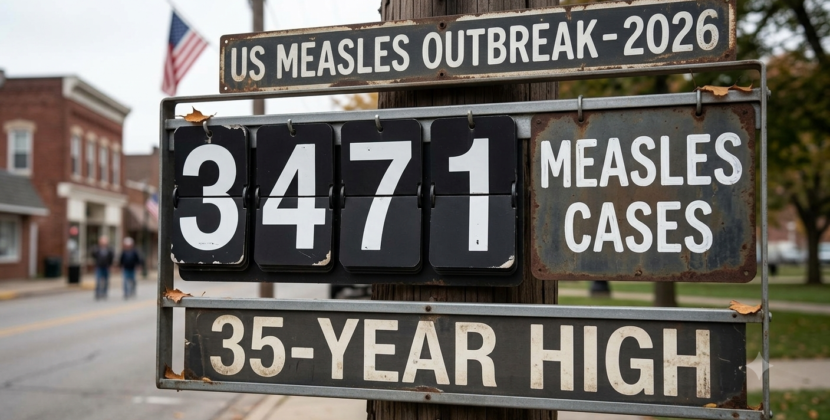
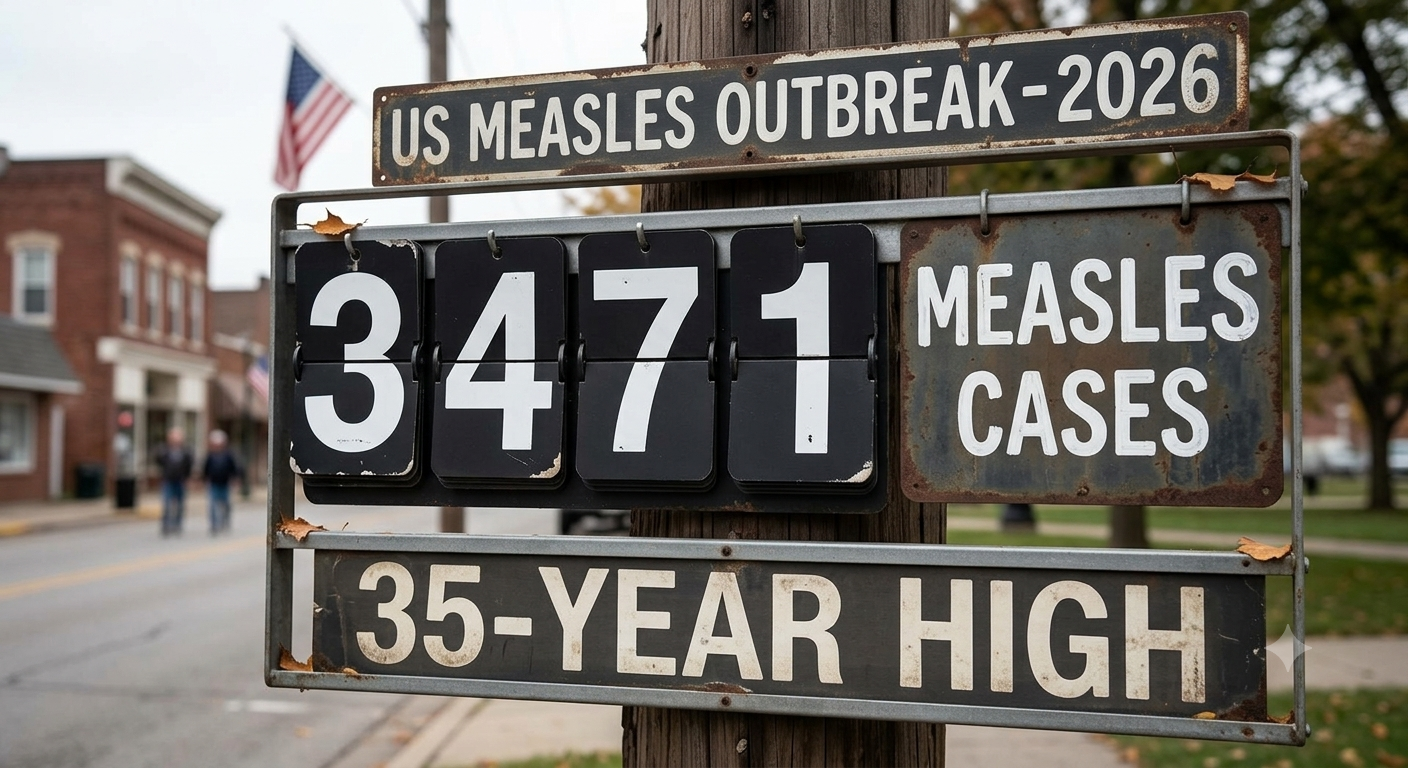
The United States is experiencing its worst measles outbreak in more than three decades, with the Centers for Disease Control and Prevention reporting 3,471 confirmed cases as of September 17, 2026. The explosive surge in cases has overwhelmed public health systems in multiple states and raised alarming questions about the nation’s declining vaccination rates.
The Numbers Are Alarming
The scale of the outbreak is staggering. By mid-September, the CDC had recorded 3,471 confirmed measles cases across 47 jurisdictions, far surpassing the 2,267 cases reported in all of 2025, which was itself the highest annual count in more than 30 years. The 39 outbreaks reported so far in 2026 have affected communities from coast to coast, with particularly severe clusters in Texas, Florida, Ohio, and California.
What makes this year’s numbers especially concerning is the trajectory. In 2024, the CDC recorded just 285 measles cases. By 2025, that number had surged to 2,267. And in 2026, the pace of new cases has accelerated further, with the CDC adding nearly 100 new cases in a single reporting period in August alone.
We are witnessing a public health crisis of historic proportions, said Dr. Nancy Messonnier, former director of the CDC’s National Center for Immunization and Respiratory Diseases. Measles was declared eliminated in the United States in 2000. The fact that we are now seeing thousands of cases a year is a direct result of declining vaccination rates.
he measles outbreak is significant. The CDC estimates that each case of measles costs the public health system an average of $30,000 to $50,000, including contact tracing, quarantine enforcement, and medical treatment. With more than 3,400 cases reported so far, the total cost of the 2026 outbreak could exceed $100 million.
Beyond the direct costs, the outbreak is disrupting communities and institutions. Schools across the country have been forced to implement quarantine protocols, excluding unvaccinated students for up to 21 days after exposure. Some schools have temporarily closed entirely. The disruption to education is particularly acute in rural areas, where schools may serve as the only community gathering space.
The social stigma associated with measles is also taking a toll. In communities with high rates of unvaccinated individuals, families who choose to vaccinate report feeling isolated, while those who have not vaccinated face increasing pressure from public health authorities and fellow parents. Children Bear the Brunt
The outbreak is hitting children particularly hard. According to CDC data, 20 percent of the 2026 cases involve children age 5 and under, while 68 percent involve kids and young adults up to age 19. Seven percent of patients have been hospitalized, and there have been several reports of serious complications, including pneumonia and encephalitis.
The age distribution is deeply troubling, said Dr. Paul Offit, director of the Vaccine Education Center at Children’s Hospital of Philadelphia. Measles is a potentially deadly disease, especially for young children. The fact that we are seeing so many cases among children tells us that vaccination rates have fallen below the threshold needed to protect the community.
The CDC estimates that 94 percent of the 2026 cases occurred in unvaccinated individuals or those whose vaccination status was unknown. This finding underscores the critical role that vaccination plays in preventing measles and protecting vulnerable populations, including infants too young to be vaccinated and immunocompromised individuals.
Why Vaccination Rates Are Falling
The decline in measles vaccination rates is driven by a complex mix of factors, including misinformation about vaccine safety, religious and philosophical exemptions, and a growing distrust of public health institutions. The anti-vaccine movement, which has been amplified by social media platforms, has gained significant traction in recent years, particularly in conservative and rural communities.
According to data from the CDC, the percentage of kindergartners who received the measles-mumps-rubella (MMR) vaccine dropped from 95.2 percent in 2019-2020 to 92.7 percent in 2024-2025. While that may seem like a small decline, it has significant implications for herd immunity. Public health experts estimate that a vaccination rate of at least 95 percent is needed to prevent measles outbreaks.
The erosion of trust in public health institutions is perhaps the most concerning trend, said Dr. Peter Hotez, dean of the National School of Tropical Medicine at Baylor College of Medicine. When people don’t trust the CDC, the FDA, or their own doctors, they are less likely to get vaccinated and less likely to follow public health guidance during an outbreak.
State-level policies have also played a role. Several states have expanded non-medical vaccine exemptions in recent years, making it easier for parents to opt out of mandatory childhood vaccinations. Texas, which has one of the highest rates of non-medical exemptions in the country, has been particularly hard hit by the current outbreak.
The Economic and Social Costs
The economic impact of t
What Public Health Officials Are Doing
The CDC has deployed emergency response teams to several states to assist with outbreak management. The agency has also issued new guidance recommending that unvaccinated individuals in affected areas receive the MMR vaccine as soon as possible and avoid non-essential travel.
At the state level, several governors have taken emergency action to address the outbreak. California Governor Gavin Newsom signed an executive order temporarily tightening vaccine exemption requirements, while New York Governor Kathy Hochul has authorized pharmacists to administer the MMR vaccine without a prescription.
The federal government has also increased funding for vaccine education and outreach, allocating an additional $50 million to community health organizations working to combat vaccine hesitancy. However, some public health experts argue that the funding is insufficient and that more aggressive measures are needed.
What Comes Next
The trajectory of the outbreak suggests that the worst may not be over. With the school year now underway and indoor activities increasing, public health officials are bracing for a potential surge in cases during the fall and winter months. The CDC has warned that the 2026 total could eventually exceed 5,000 cases if vaccination rates do not improve.
The measles outbreak is a preventable crisis, said Dr. Hotez. We have a safe, effective, and inexpensive vaccine that has been used for more than 60 years. The fact that we are now seeing a 35-year high in cases is a failure of public health communication and political will.
For now, the message from public health officials is clear: get vaccinated, check your vaccination records, and if you are unsure whether you are protected, talk to your doctor. The stakes are too high to leave anything to chance.