




Pentagon Breach Exposed 3 Million People’s Data After Going Undetected for Months
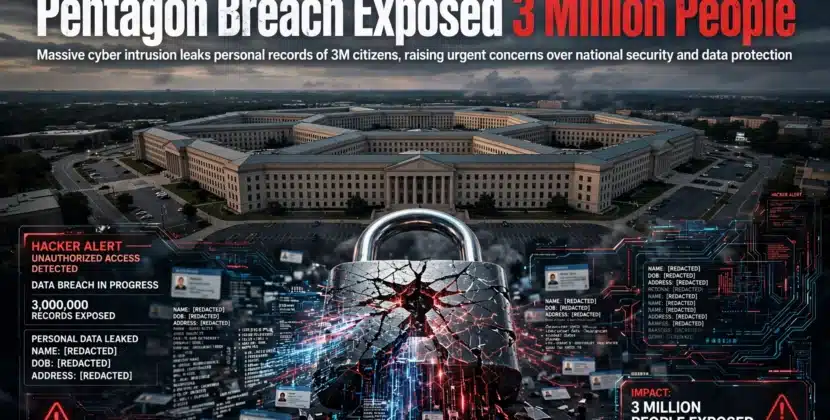
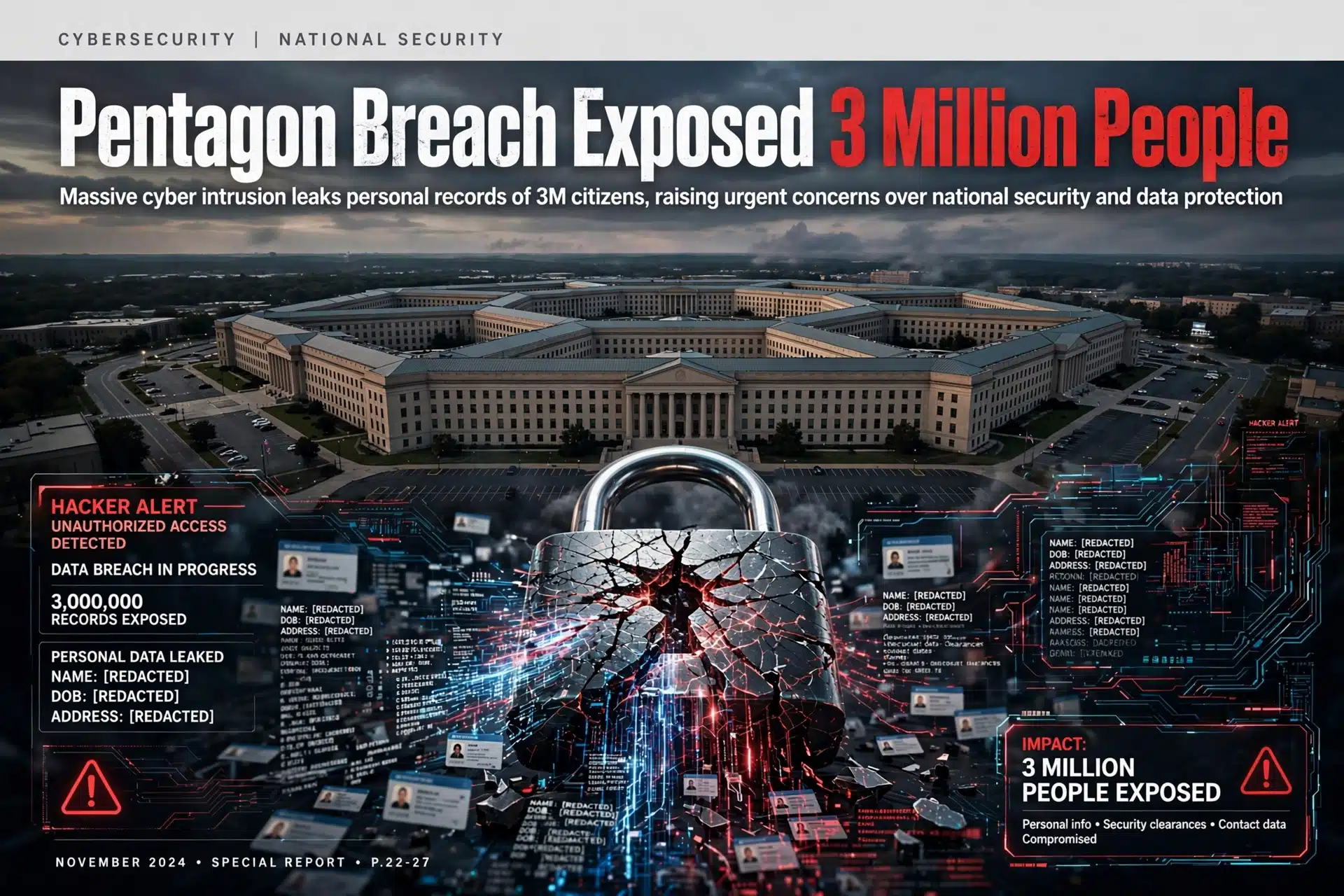
A breach at one of the Defense Department’s largest personnel databases exposed sensitive personal information on nearly 3 million people, including Social Security numbers belonging to current and former members of the military, defense officials confirmed. The intrusion into the department’s human resources systems went undiscovered for months, and investigators believe unauthorized users had access to a file-sharing server for roughly nine months before the activity was caught.
Officials put the toll at 2.76 million living individuals plus about 294,000 deceased people, a population that spans generations of service members, civilian employees and their families. The scope and sensitivity of the exposed records have triggered a national security review and fresh questions about how the Pentagon protects the treasure trove of personal data it holds on the force. Here is what happened, what was taken and how anyone affected can protect themselves.
What Happened and When It Was Found
According to officials and security researchers familiar with the incident, attackers gained unauthorized access to systems tied to the Defense Department’s manpower and personnel data operations, the vast machinery that tracks pay, assignments and records for the force. The access centered on a file-sharing server that remained compromised for the better part of a year, according to a security industry analysis of the breach.
The incident first surfaced publicly in reporting that raised national security concerns, and the Pentagon spent the following days confirming numbers while assessing exactly which fields of data were reachable. The months-long detection gap is among the most troubling elements of the case, investigators said, because a persistent foothold inside a personnel network provides time to map systems and stage downloads that are hard to distinguish from legitimate administrative traffic.
What Data Was Exposed
The compromised information includes the sort of identifiers that never rotate: names, Social Security numbers and detailed personnel records linked to service members and veterans, living and dead. Social Security numbers are the crown jewels of identity theft, and their exposure distinguishes this incident from breaches that leak only contact details or email addresses.
For the families of deceased service members included in the count, the exposure adds an unusual wrinkle, because dead victims cannot monitor their credit and the records remain valuable to fraudsters for years. Officials said notification efforts will be handled through established defense channels, though security experts noted that the sheer volume of records makes individual outreach a slow process.
How an Intrusion Lasted Nine Months
Persistence is the signature of this breach. Rather than a smash-and-grab, the access pattern suggests operators who valued stealth over speed, keeping a quiet channel open while they moved through data at a pace designed to avoid alerting defenders. File-sharing systems are attractive targets precisely because heavy transfer activity looks normal on them, which is also why they are supposed to be among the most closely monitored.
The episode is a reminder that the government’s networks face the same class of threats as corporations, amplified by the value of the data. Defense networks are segmented and monitored under programs designed to stop exactly this kind of lateral movement, and yet the intrusion survived inside a personnel environment for months. Congressional scrutiny is expected, with lawmakers likely to press officials on whether the compromised system fell under required security baselines.
Why Military Data Is Especially Valuable to Attackers
Stolen service member identities carry a premium. Fraud rings use them to file tax returns, open lines of credit and construct synthetic identities, and clearances held by the victims can make their profiles attractive for secondary targeting. Nation-state actors, for their part, value the relational data: who worked where, with whom and under what program, which is useful for intelligence targeting even when it contains no classified content.
That combination explains why personnel systems have been a recurring battleground in intrusions attributed to foreign hacking groups over the past decade. Each incident tends to produce the same recommendations, and each breach shows how difficult it is to defend systems that must remain broadly accessible to administrators across a global organization.
What Affected Service Members and Veterans Should Do Now
Experts offered a short, concrete checklist. Place a freeze on credit files at all three bureaus, which blocks new account openings and costs nothing. Enable multi-factor authentication on banking, email and benefits portals, including the systems used for military and veterans services. Review credit reports and statements for accounts that do not belong to you, and be skeptical of unsolicited calls or messages claiming to be from the Department of Defense or a credit bureau.
Because Social Security numbers cannot be changed, the most effective posture is monitoring plus restriction. A credit freeze is stronger than a credit lock or monitoring service alone, and a fraud alert adds a layer of verification when new credit is requested. Anyone contacted about the breach should verify notices through official defense channels rather than links in unexpected messages, since breach notifications themselves are a favorite pretext for phishing.
What Comes Next
The Pentagon said it is continuing to investigate and will notify affected individuals, while lawmakers are expected to demand a timeline for the discovery of the intrusion and the response. Security researchers will be watching for signs that the data has surfaced for sale, the usual next chapter in breaches of this size.
For now, the incident stands as one of the largest personnel data exposures in recent American history and a test of whether the Defense Department can close the gap between detecting an intrusion quickly and admitting how long one went unnoticed. Millions of people are waiting for a notice in the mail; the practical advice is to act before it arrives.
Frequently Asked Questions
How many people were affected by the Pentagon data breach?
Nearly 3 million: officials said 2.76 million living individuals and about 294,000 deceased people had sensitive information exposed through the personnel database intrusion.
What information was exposed in the breach?
Personal identifiers including names, Social Security numbers and personnel records of current and former service members, the combination that poses a serious identity theft risk.
How long did the attackers have access?
Investigators believe unauthorized users had access to a file-sharing server for roughly nine months before the activity was detected, according to security analyses of the incident.
What should I do if I think my data was exposed?
Freeze your credit at the three major bureaus, enable multi-factor authentication on financial and government accounts, monitor statements for unfamiliar activity and verify any breach notices through official Defense Department channels.