



US and Iran Launch Indirect Talks on a Deal to End Seven Months of Fighting and Reopen Hormuz
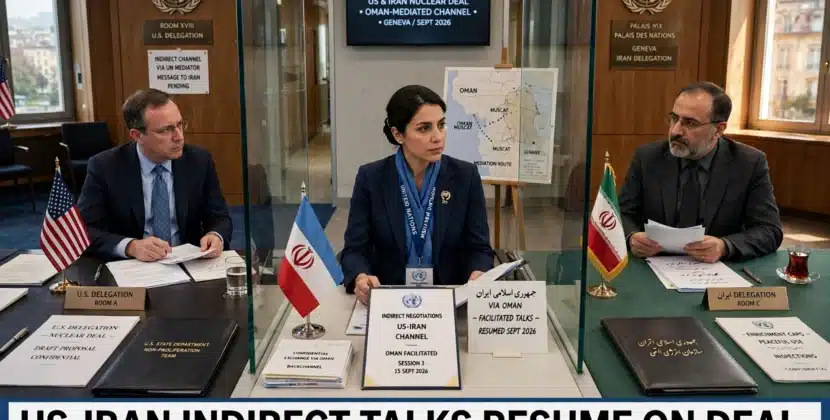
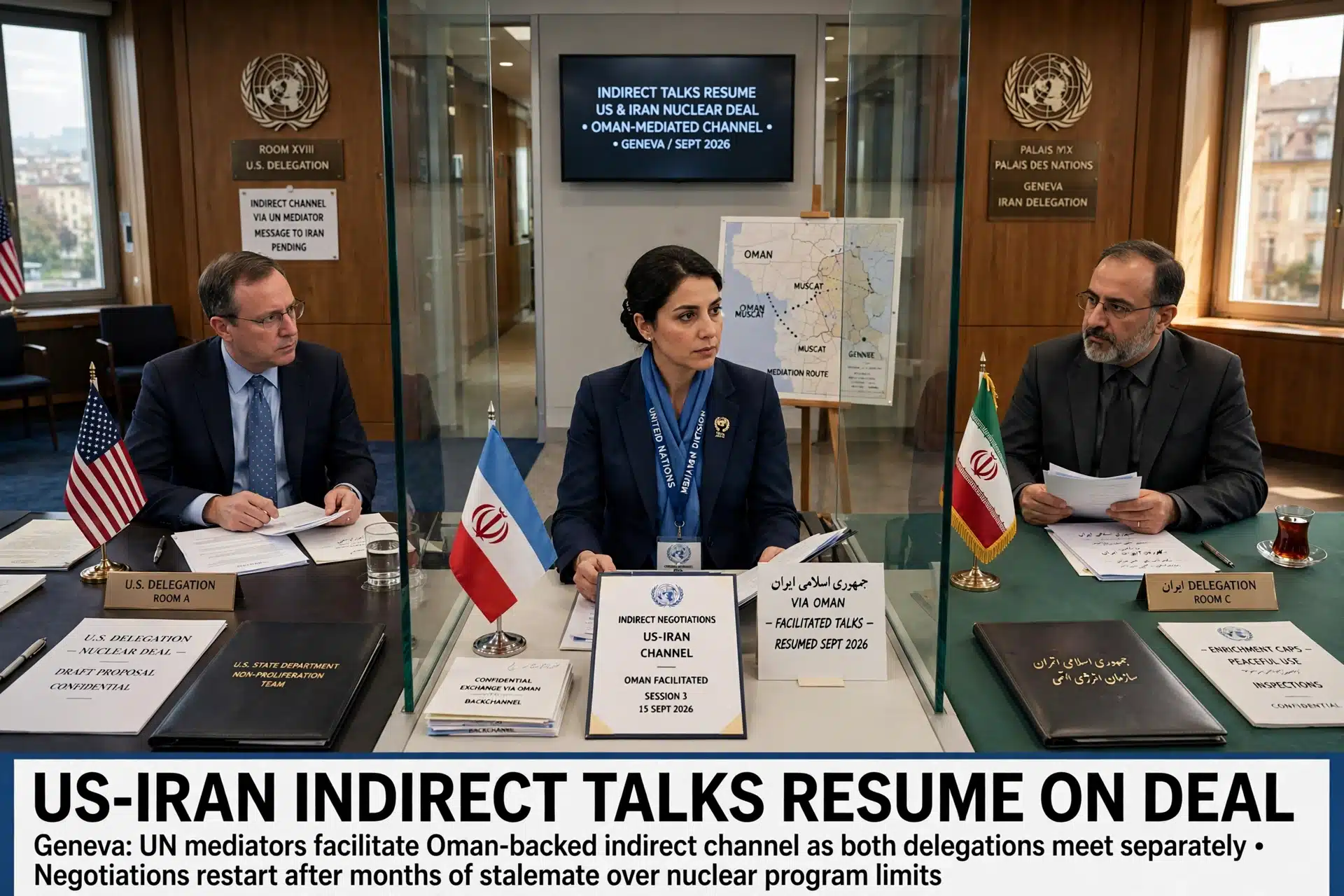
The United States and Iran launched a new round of indirect talks this week on a diplomatic proposal to end seven months of war, lift sanctions and reopen the Strait of Hormuz, reviving a diplomatic track that seemed to collapse only days ago when President Trump publicly rejected an Iranian plan. Iranian and American officials are not sitting across the table from each other; instead, mediators including Qatar are carrying proposals back and forth in the model that produced earlier agreements in the conflict.
The negotiations cover the full arc of the dispute at once: an end to the fighting, relief from US sanctions, release of frozen Iranian assets, a drawdown of the American naval blockade and, critically, the conditions under which the strait reopens to oil tankers and commercial shipping. Major hurdles remain, and both sides have spent the week testing whether the framework can survive contact with reality. Here is what is on the table, who is brokering it and what it means for energy prices and the wider war.
What Is Being Negotiated and Who Is in the Room
According to officials familiar with the process, the two sides have been holding separate sessions with mediators rather than direct face-to-face negotiations. Qatar has emerged as a central channel, while other contacts have run through New York on the margins of diplomatic activity. Iran’s foreign minister has described the indirect discussions as the vehicle for a proposal to end the fighting, and Trump himself said earlier that talks were scheduled even after he turned down Iran’s seven-day offer.
The outline that has surfaced includes a sequenced package. Iran would allow the reopening of the Strait of Hormuz and halt attacks on commercial shipping. In exchange, the United States would lift key sanctions, release frozen assets and ease the naval pressure that has defined the waterway for months. The two sides would also resume broader negotiations on longer-term issues, including the boundaries of Iran’s nuclear and missile programs, which have been the hardest gap to close in every previous round.
Why the Seven-Day Rejection Did Not End the Process
Trump’s rejection of Iran’s earlier seven-day proposal was framed in Washington as a response to conditions the US would never accept, including demands on sanctions and military posture. But the rejection was calibrated rather than final: within hours, both sides were signaling that the channel remained open and that a different sequencing could work. Analysts said the episode reflected bargaining behavior more than a breakdown, with each side using public rhetoric to improve its position before the next exchange.
Iran’s own position is shaped by pressure at home. The Iranian currency has fallen to a record low as the war erodes the country’s economic stability, and the costs of maintaining the blockade economy are mounting. For Tehran, a deal that lifts sanctions and unfreezes assets is not a luxury but a survival calculation. That urgency, diplomats said, is the main reason the indirect track survived a public rejection.
What It Means for Oil, Gas Prices and US Consumers
The Strait of Hormuz remains the chokepoint for a meaningful share of the world’s seaborne oil, and every week of restricted transit shows up in insurance premiums and freight rates that eventually reach American drivers. A credible deal that reopens the strait would likely pull crude prices down and take pressure off gasoline and jet fuel just as travel demand settles into autumn. Markets have already begun pricing partial progress, with oil swinging on each headline from the mediators.
The flip side is that a collapse in talks would reverse those gains quickly. Traders remember how fast war-risk premiums spiked during the darkest weeks of the conflict, and analysts warned that the market is thin enough that a single incident involving a tanker could erase a week of diplomatic progress. For US households, the practical message is that gasoline prices for the rest of the year will track the negotiation as closely as they track supply.
The Hurdles That Could Still Sink the Deal
Officials involved in the talks have been careful to describe the hurdles as unresolved rather than dismissed. The sequence of steps is one fight: Washington wants verifiable Iranian moves on the strait first, while Tehran wants sanctions relief to arrive early enough to be politically visible at home. Verification of any nuclear understanding remains the other flashpoint, with inspectors and US intelligence both demanding access that Iran has historically limited.
There is also the question of spoiler risk. Hardliners on both sides benefit from failure, and any attack on shipping attributed to Iranian-aligned forces could halt the process overnight. Regional actors watching the talks have urged the mediators to lock down written commitments quickly, on the theory that vague understandings unravel faster than documented ones.
What to Watch in the Coming Days
The immediate marker is whether the indirect sessions produce a joint framework document rather than parallel statements. A written text would signal that the mediators believe both sides are ready to commit; parallel press releases would suggest the opposite. Attention will also turn to the naval picture, because a calm week of shipping through the strait would be the clearest evidence that the deal is real before any signature ceremony.
Congress and allies in Europe are watching for details on sanctions relief, while energy markets will watch tanker traffic and war-risk insurance quotes. Seven months into the war, this is the most structured diplomatic channel since the fighting began, but both governments have trained their supporters to expect victory rather than compromise. Whether the mediators can bridge that gap will decide if the coming week brings an opening or another missed chance.
Frequently Asked Questions
What are the US and Iran negotiating right now?
A package to end seven months of fighting, lift US sanctions, release frozen Iranian assets, ease the naval blockade and reopen the Strait of Hormuz to commercial shipping, with broader nuclear issues to follow in later rounds.
Are the US and Iran talking directly?
No. The discussions are indirect: mediators including Qatar carry proposals between the two sides in separate sessions, a format that has produced previous agreements in the conflict.
Why did Trump reject the earlier Iranian proposal?
He called the seven-day plan unacceptable because it attached conditions on sanctions and military posture that Washington would not meet, but he simultaneously confirmed that new rounds of talks would proceed.
How would a deal affect gas prices in the US?
A verified reopening of the Strait of Hormuz would ease oil shipping costs and war-risk premiums, likely pushing gasoline prices down, while a collapse in talks would send crude and pump prices higher again.