




Pull the Plug and the Rise of Direct-Action Protests Against AI Firms
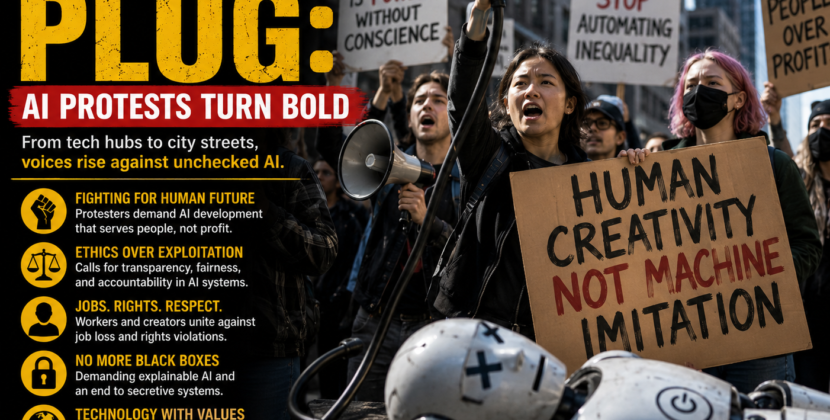
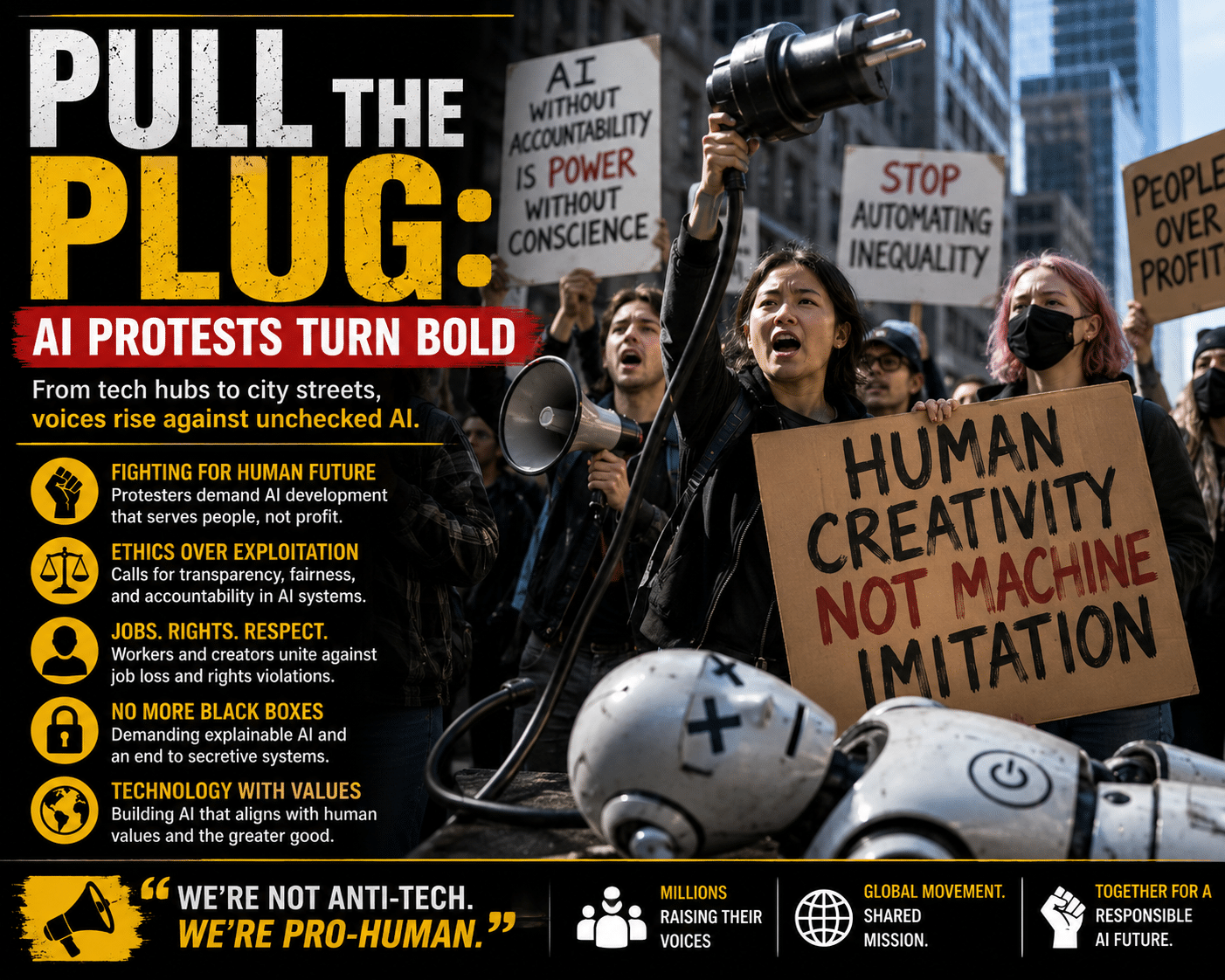
Opposition to artificial intelligence is leaving the comment section. Campaign groups tracking the anti-AI movement report a surge in membership, and a new wave of protesters is graduating from marches and open letters to direct action aimed at the companies building the technology. Leading that shift is Pull the Plug, a campaign that argues the harms of AI are here now, not a distant possibility, and that polite requests for caution have run out of road.
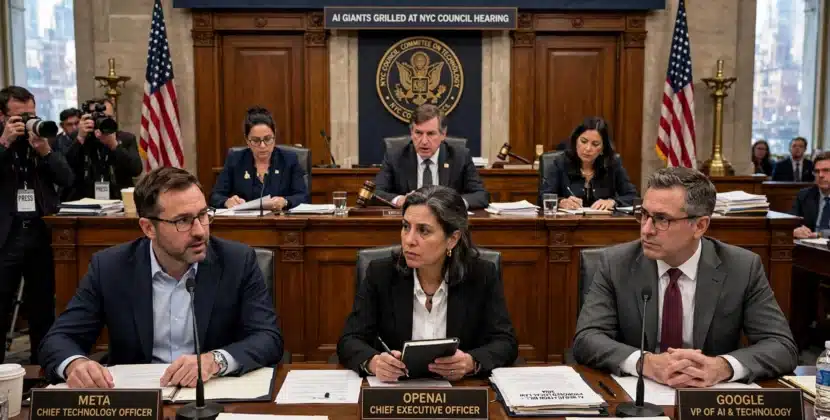
The escalation puts the industry in unfamiliar territory. Tech companies have spent a decade managing criticism as a public relations problem, absorbing debates about privacy, content moderation and labor with incremental concessions. The new activism is different in tone and target: it names specific firms, stages stunts designed for video, and draws on a growing reservoir of public anxiety about jobs, copyright and safety. As AI executives face sworn testimony at city councils and Congress alike, the street is becoming the third venue of accountability, and it is the one the companies control least.
From Marches to Direct Action
The change in tactics has been gradual but unmistakable. Earlier campaigns such as Pause AI focused on large permitted demonstrations, including what organizers billed as the largest anti-AI protest yet, a London march that brought thousands into the streets. Those events built networks and language, but organizers privately worried that marches alone rarely move executives who live behind security desks.
Pull the Plug was formed around that frustration. The group targets what it calls the existing harms of AI rather than only future existential risk, and it explicitly endorses direct action, a tactic other AI campaigns have rejected. Recent months have produced the evidence: a member climbing onto a chair inside a corporate event, disruptions at industry gatherings including a health conference exhibition, and protests outside facilities tied to government and defense customers. The stunts are small, cheap and engineered to spread, which is precisely why the industry is paying attention.
Who Is Behind Pull the Plug?
The campaign presents itself as a grassroots network rather than a traditional nonprofit, with a structure that favors autonomy among local cells. Its messaging blends three arguments that rarely appeared together in earlier tech activism: that AI is already destroying creative livelihoods through training on scraped work, that data centers and compute demand are driving energy and water use in specific communities, and that concentration of the technology in a handful of corporations is undemocratic by design.
Analysts who map protest movements place Pull the Plug alongside Pause AI and a scatter of regional groups in a broader ecosystem of resistance. The coalition model matters. Authors publish blank books to protest AI’s use of their work, artists stage Copyright Day walkouts, and academics circulate open letters, while direct-action groups absorb the risk of arrests and headlines. Underneath the tactics sits a consistent demand: citizen’s assemblies and public oversight over deployment decisions now made entirely inside boardrooms.
Why the Anger Is Growing
Several trends converged to create this moment. The creative industries hit a tipping point after generative models trained on their work began competing with them directly, and lawsuits from authors, musicians and news organizations have reinforced a sense that the rules were broken after the fact. Workers in translation, illustration, entry-level coding and customer support describe the same experience: not a sudden replacement, but a steady erosion of gigs and junior roles just as the technology arrived.
Add the visible faces of the boom. Executives give interviews predicting that white-collar work will be automated, valuations climb into the hundreds of billions, and the same companies ask governments for energy infrastructure for their data centers. For many observers, the gap between those declarations and the reassurances offered to the public reads as confirmation that the concerns are being managed rather than addressed. Protest movements feed on exactly that gap.
What the Industry and Governments Are Doing
The official response has moved faster than anyone expected a few years ago. City councils are holding sworn hearings with executives and whistleblowers, Congress continues to debate national standards, and state legislatures have passed rules covering algorithmic decisions, deepfakes and training data disclosure. The White House has convened AI leaders to discuss voluntary safety commitments, an approach critics call self-regulation by another name.
Companies, for their part, emphasize their own safeguards: red-teaming, content policies, watermarks on generated media and partnerships with researchers. Some have quietly hired protest-response consultants and tightened event security after disruptions. But security cannot scale the way video does, and the companies know it. Each incident forces a choice between visible confrontation that amplifies the protesters’ message and restriction that confirms the narrative of unaccountable power.
What Comes Next for the Movement
Three factors will decide whether this wave crests or becomes permanent. Membership growth is the first: campaigns that surge after a viral moment either build durable chapters or burn out when attention moves on. The second is credibility, because direct action carries risk of public backlash if stunts disrupt ordinary workers rather than executives. The third is the response from institutions, since hearings, lawsuits and legislation can absorb some of the anger that fuels street protest.
For now, the trajectory points upward. Membership reports are climbing, tactics are escalating, and the political system is producing new venues for the same complaints at a rapid clip. The technology will keep advancing regardless, but the era in which AI companies could build in peace while the debate happened elsewhere is over. The argument has moved into council chambers, courtrooms and, increasingly, into the lobbies of the companies themselves.
Frequently Asked Questions
What is the Pull the Plug campaign?
It is an anti-AI campaign that focuses on present-day harms of artificial intelligence and endorses direct action, distinguishing it from groups that stick to permitted marches and open letters.
Are anti-AI protests happening in the United States?
The movement is international, with roots in London marches, but it targets American companies directly and has staged actions at events and facilities linked to US tech and defense firms.
Do protests against AI companies actually change anything?
They add pressure to a process already moving: council hearings, state laws and lawsuits are all advancing faster than they were two years ago, and companies have tightened security and disclosure practices.
What do anti-AI activists want?
Core demands include transparency on training data, protections for creative workers, limits on energy-heavy data centers and public oversight through citizen’s assemblies.