



Washington, D.C.
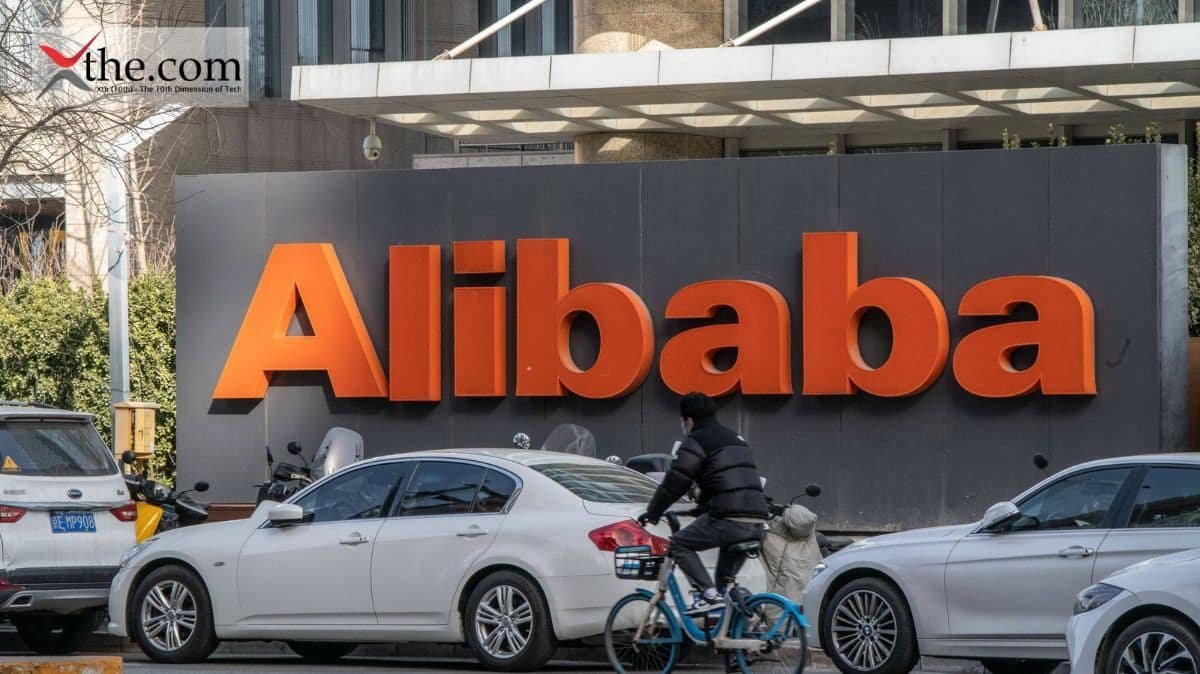
Eighty thousand transactions over eight years have led to a $600 million settlement, the largest ever in the U.S. District of Rhode Island. This announcement stands out from typical compliance news. The Alibaba DOJ settlement ends an investigation that spanned two presidential administrations. Alibaba, one of the world’s largest e-commerce companies, admitted its platforms were used to sell products that federal drug laws are meant to keep out of the country.
The Alibaba $600 million fine resolves allegations that the company and its U.S.-based payment processor, AUS Merchant Services, did not prevent merchants from selling and shipping illegal drugs, controlled substances, regulated chemicals, and pill-making equipment to buyers in the U.S. The size of the fine is striking. For investors and compliance officers, it shows how risks can quietly build over years before coming to light all at once.
What the DOJ Actually Alleged
Federal prosecutors said that merchants on Alibaba.com and AliExpress.com carried out about 80,000 illegal transactions from January 2016 to December 2024, moving goods with a combined gross merchandise value exceeding $200 million. The case revolves around AliExpress illegal drugs sold to U.S. buyers in violation of the Federal Food, Drug, and Cosmetic Act, as well as chemicals and equipment used to make counterfeit pills. Investigators went beyond paperwork, placing over 40 undercover orders for goods that regular patients or pharmacists could not buy without a prescription or license.
In its statement of facts, Alibaba admitted that its internal controls were insufficient to prevent banned sellers from operating on its platforms. Some merchants used private messaging and third-party encrypted apps to avoid detection. Federal officials say this wasn’t only a one-time issue, but a pattern that lasted for years.
The Structure of the Deal
The DOJ non-prosecution agreement splits liability between two entities rather than one. Alibaba Group will pay a $125 million criminal penalty and forfeit an additional $200 million. Alibaba AUS Merchant Services AliPay, the U.S. payment processor formerly known as Alipay U.S. and connected to Ant Group, will pay an $85 million penalty and forfeit $190 million. Together, these payments total $600 million. AUS also admitted that its anti-money-laundering program was weak, allowing suspicious payments and questionable goods to pass through.
Charles C. Calenda, the first assistant U.S. attorney for Rhode Island, said this is the largest monetary settlement in the district’s history. Assistant Attorney General Brett Shumate said the case shows that all online marketplaces, no matter where they are based, are expected to keep unapproved and dangerous foreign drugs off their platforms. Alibaba called the outcome a mutually satisfactory resolution reached with full cooperation and promised to set high standards for control in the future. The details of the compliance changes have not been shared publicly.
Why This Lands Differently in July 2026
Readers searching for the Alibaba $600 million DOJ settlement on illegal drug pharmaceutical sales, explained July 2026, are arriving at a story that does not exist in isolation. The settlement is the second major blow to Alibaba’s standing in Washington in barely a month, and the two stories, while legally unrelated, reinforce a single narrative: American regulators and American technology companies are both scrutinizing how Alibaba operates in U.S. markets and infrastructure.
The first setback came from an unexpected source. Anthropic, the AI company behind the Claude models, told the U.S. Senate Banking Committee in a June 10 letter that people linked to Alibaba’s Qwen AI lab created about 25,000 fake accounts and made nearly 29 million interactions with Claude between April 22 and June 5. The Anthropic Alibaba AI theft allegation describes what researchers call distillation: using a stronger model at an industrial scale, harvesting its outputs, and training a cheaper rival system to copy the results. Anthropic said this campaign targeted Claude’s most valuable skills, such as advanced software engineering and intricate reasoning, and called it the largest attack of its kind, larger than three earlier campaigns by DeepSeek, Moonshot AI, and MiniMax combined. Alibaba has not openly addressed these claims, and no outside group has confirmed them. Anthropic also pointed out that the campaign continued even after the White House warned about distillation as a national security issue in April, suggesting the actions were intentional.
The AI dispute and the drug settlement are separate issues, but together they set the stage for the end of the Alibaba pharmaceutical probe concluded, and they explain why Alibaba’s American depositary receipts have been under pressure for weeks, dropping more than 3% after the Anthropic news and falling again when the settlement was announced.
What Investors and Consumers Should Watch
For those considering the Alibaba AliExpress illegal drug sales US fine what investors and consumers need to know, three key questions beyond the headline number. First, will the $600 million penalty actually change how merchants behave on AliExpress, or is it just a cost that Alibaba can handle without changing its seller checks? Second, will Alibaba’s promised compliance changes be independently audited, or remain private between the company and federal prosecutors? Third, how much of the pressure on Alibaba’s stock comes from this settlement compared to the combined effects of trade policy, AI competition, and now pharmaceutical enforcement?
People shopping on AliExpress or Alibaba.com probably will not see any immediate changes in search results or product listings. The settlement deals with past actions and requires future compliance improvements, but it does not set up a public timetable or include third-party checks that outsiders can follow. This lack of transparency, more than the size of the fine, will likely influence how regulators and shareholders view Alibaba’s next announcement, whether it concerns drugs, AI, or another issue. The company now holds the record for the largest settlement in Rhode Island federal court history, at a time when almost all its major U.S. regulatory and business relationships are under review.
Source: Alibaba to pay US $600M to settle allegations it allowed illegal sales