Walk into a Best Buy or scroll through Amazon for a new TV and you will hit the same wall every time. OLED. QLED. Neo QLED. QD-OLED. Mini-LED. The terminology has multiplied faster than the actual differences between the TVs, and most product pages do nothing to explain what any of it means for the picture you will actually see in your living room.
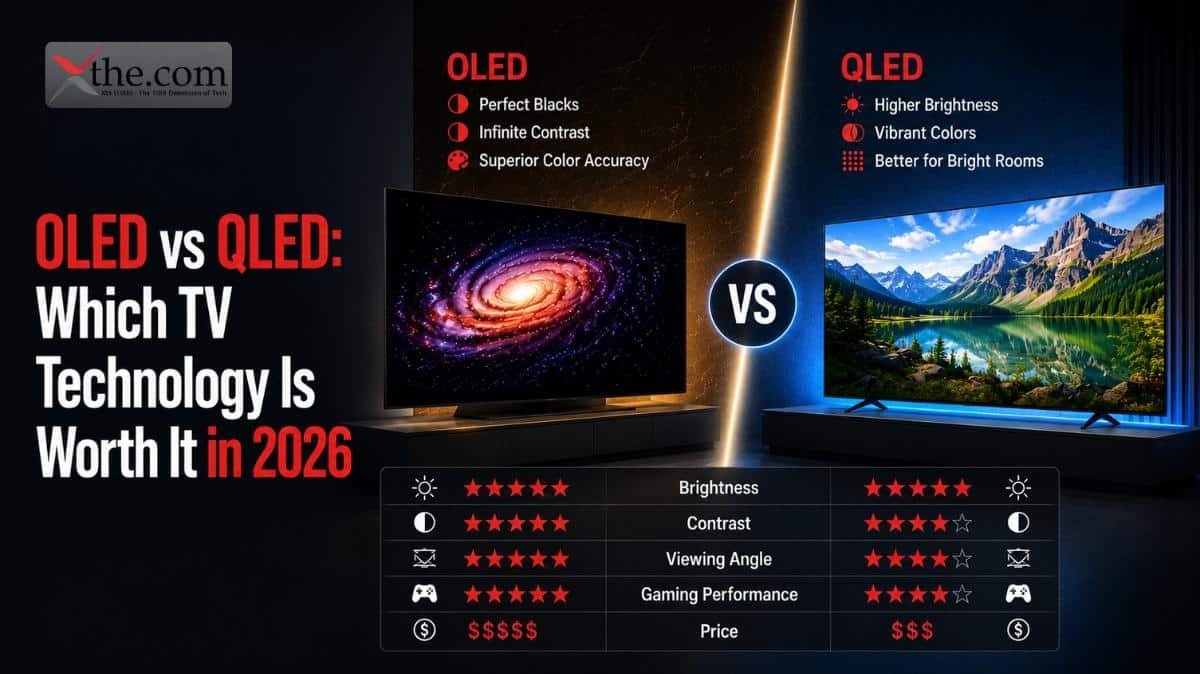
OLED vs QLED is still the core decision for most US buyers in 2026 — and the honest answer is that neither technology is universally better. OLED produces the most cinematic picture quality available in a home TV. QLED handles bright rooms and daytime viewing better than any OLED can. Which one you should buy depends almost entirely on your room, your viewing habits, and your budget. This guide answers that question directly, without the jargon.
The Short Answer Before Everything Else
Buy OLED if: You watch movies and TV shows mostly in a dark or dimly lit room and want the best picture quality your money can buy.
Buy QLED if: Your living room gets significant natural light, you watch sports during the day, or you want the largest screen size at the lowest price.
Buy QD-OLED if: You want the closest thing to having both — OLED’s black levels with meaningfully more brightness than standard OLED — and your budget reaches $1,500 or higher for a 55-inch.
If those three sentences answered your question, the rest of this article tells you which specific TV to buy. If you want to understand why, keep reading.
How Each Technology Actually Works
Understanding what you are buying takes about three minutes and makes the rest of the comparison make sense immediately.
OLED — Organic Light Emitting Diode Every pixel in an OLED panel is its own light source. When a pixel needs to show black, it turns off entirely — not dimmed, completely off. This is why OLED produces what reviewers call “perfect blacks.” There is no backlight bleeding into dark areas, no gray where black should be. Contrast is effectively infinite because the difference between the brightest white and the darkest black is the difference between full brightness and no light at all.
The limitation: because each pixel generates its own light, the total brightness of an OLED screen is lower than a backlit display of the same size. Showing a very bright scene across the full screen requires more power than the organic compounds can sustain long-term without degradation.
QLED — Quantum Light Emitting Diode QLED is Samsung’s marketing term for LCD TVs with a quantum dot filter layer. The quantum dots convert the backlight’s blue light into more precise red and green wavelengths, which produces more accurate and saturated colors than standard LCD TVs. A QLED is still an LCD TV at its core — it has a backlight behind the screen rather than individual self-emitting pixels.
The limitation: because there is a backlight, black areas on screen are never truly black — they are very dark gray, because the backlight cannot be completely shut off without affecting the surrounding pixels.
Neo QLED — The Upgrade Worth Knowing Neo QLED replaces the standard backlight with thousands of tiny Mini-LED backlights that can be controlled in smaller zones. This dramatically improves contrast compared to standard QLED because dark zones of the screen can be dimmed more precisely without affecting bright areas. Neo QLED is not a different technology from QLED — it is a significantly improved version of it.
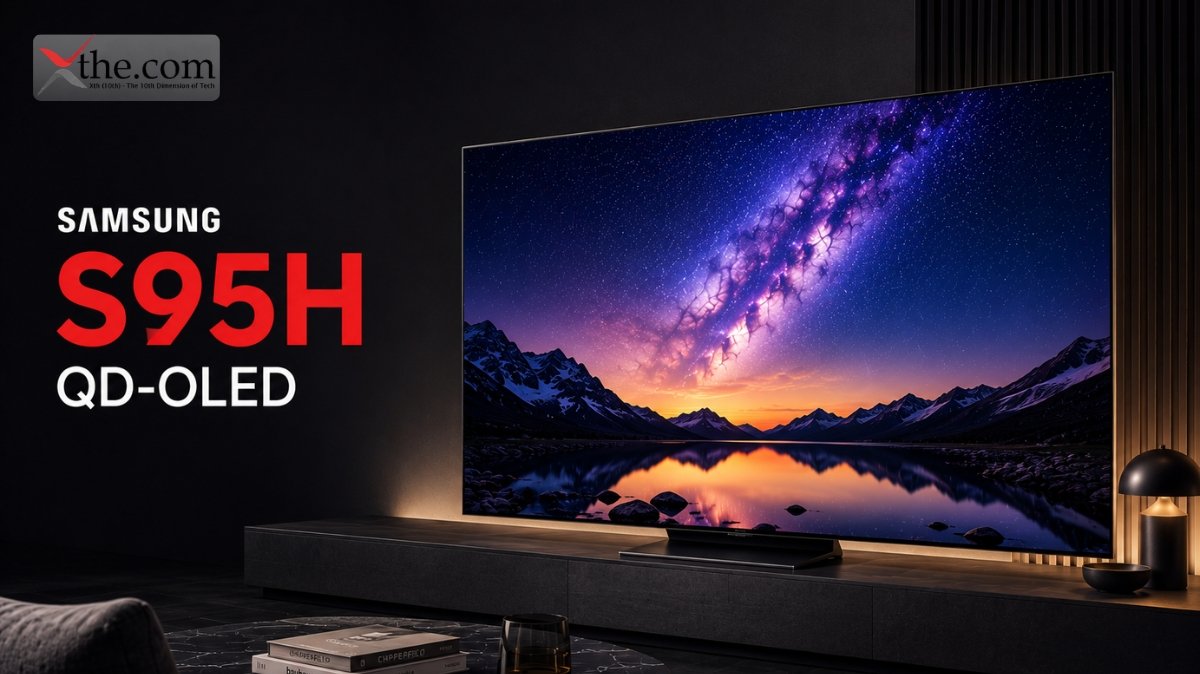
QD-OLED — Samsung’s Hybrid Approach QD-OLED combines OLED’s self-emitting pixels with quantum dot technology. Instead of the white organic pixels used in traditional OLED, QD-OLED uses blue OLED pixels that pass through quantum dot material to produce color. The result is an OLED panel that reaches meaningfully higher brightness levels than standard OLED while retaining OLED’s perfect blacks and infinite contrast. RTINGS named the Samsung S95H QD-OLED the best TV they have tested in 2026.
Head-to-Head Comparison
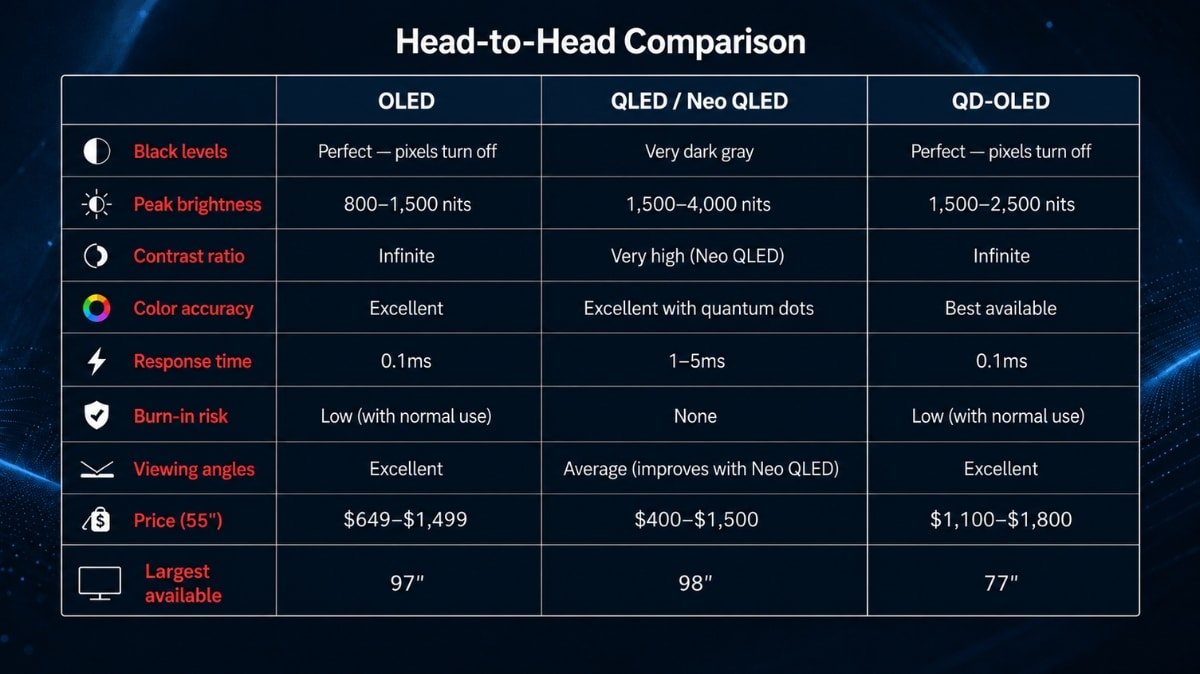
| OLED | QLED / Neo QLED | QD-OLED | |
| Black levels | Perfect — pixels turn off | Very dark gray | Perfect — pixels turn off |
| Peak brightness | 800–1,500 nits | 1,500–4,000 nits | 1,500–2,500 nits |
| Contrast ratio | Infinite | Very high (Neo QLED) | Infinite |
| Color accuracy | Excellent | Excellent with quantum dots | Best available |
| Response time | 0.1ms | 1–5ms | 0.1ms |
| Burn-in risk | Low (with normal use) | None | Low (with normal use) |
| Viewing angles | Excellent | Average (improves with Neo QLED) | Excellent |
| Price (55″) | $649–$1,499 | $400–$1,500 | $1,100–$1,800 |
| Largest available | 97″ | 98″ | 77″ |
Black Levels and Contrast — OLED Wins
This is the clearest and most meaningful picture quality difference between OLED and QLED, and it is visible to anyone without calibration equipment.
Put an OLED TV and a QLED TV side by side in a dark room, play a night scene from any movie, and look at the letterbox bars at the top and bottom of the screen. On the OLED, they are black. On the QLED, they are dark gray. The difference is subtle in a well-lit room and obvious in a dim one.
This contrast advantage is what makes OLED the preferred technology for home cinema setups, for people who watch movies at night, and for anyone who has spent time in a proper screening room and wants to replicate that experience at home. The shadow detail in dark scenes — the texture in a dark coat, the depth in a nighttime street scene — is more visible on OLED because the surrounding black areas are actually black rather than slightly luminous gray.
Neo QLED has dramatically reduced this gap compared to standard QLED. With thousands of local dimming zones, Neo QLED can get very close to OLED’s black levels in real viewing conditions. But in a direct side-by-side comparison, the OLED advantage is still measurable and visible.
Winner: OLED — but Neo QLED is closer than ever
Brightness — QLED Wins for Bright Rooms
This is where QLED technology holds a genuine, meaningful advantage that matters for everyday viewing in typical US living rooms.
A premium Neo QLED TV in 2026 reaches peak brightness of 2,000 to 4,000 nits. A premium OLED reaches 800 to 1,500 nits, with QD-OLED pushing to around 2,500 nits. In a bright living room with windows, on a Sunday afternoon with NFL games on, the QLED’s extra brightness makes the picture look vivid and punchy where the OLED can look slightly washed out.
The nit numbers are measured at peak brightness on small areas of the screen. The more practically useful measurement is sustained full-screen brightness, where OLED’s advantage over QLED narrows further — OLED panels manage heat by reducing brightness when large portions of the screen are very bright, which is exactly the condition of a bright sports broadcast or daytime television.
For buyers who primarily watch TV during daytime hours, in rooms with large windows, or with overhead lighting on, this brightness advantage is the single most practically important spec in the comparison. A $1,200 QLED will look better in that environment than a $1,200 OLED.
Winner: QLED / Neo QLED — clearly
Color Accuracy — QD-OLED Leads, Others Are Close
Color accuracy in 2026 is strong across all three technologies when you buy a quality panel from a reputable brand. The days of QLED having obviously oversaturated cartoon colors and OLED looking slightly muted are largely over.
QD-OLED produces the widest color gamut and the most accurate color volume — meaning colors stay accurate across different brightness levels rather than shifting as the screen gets brighter. This is relevant for HDR content, where the accuracy of colors at high brightness levels matters for the effect to look natural rather than blown out.
Standard OLED from LG uses white sub-pixels (WRGB) that can introduce a slight color accuracy trade-off at very high brightness. Standard QLED’s quantum dot filter produces accurate colors across most of the visible spectrum with good saturation. For most content in most viewing environments, the color differences between a good OLED and a good Neo QLED are smaller than reviewers’ spec-focused comparisons suggest.
Winner: QD-OLED for color volume. OLED and Neo QLED are close for most content.
Gaming Performance — OLED Wins on Response Time
For gamers, the comparison is more straightforward. OLED’s 0.1 millisecond pixel response time is effectively instantaneous — there is no motion blur from the display itself. Fast-moving game content stays sharp frame to frame. QLED’s response time of 1 to 5 milliseconds is not slow enough to cause visible problems in casual gaming but creates a measurable difference in competitive gaming where motion clarity at high frame rates matters.
Both technologies support HDMI 2.1 on higher-end models, which means 4K at 120Hz input, VRR (Variable Refresh Rate), and ALLM (Auto Low Latency Mode) for current-generation consoles — PS5 Pro, Xbox Series X, and high-end gaming PCs.
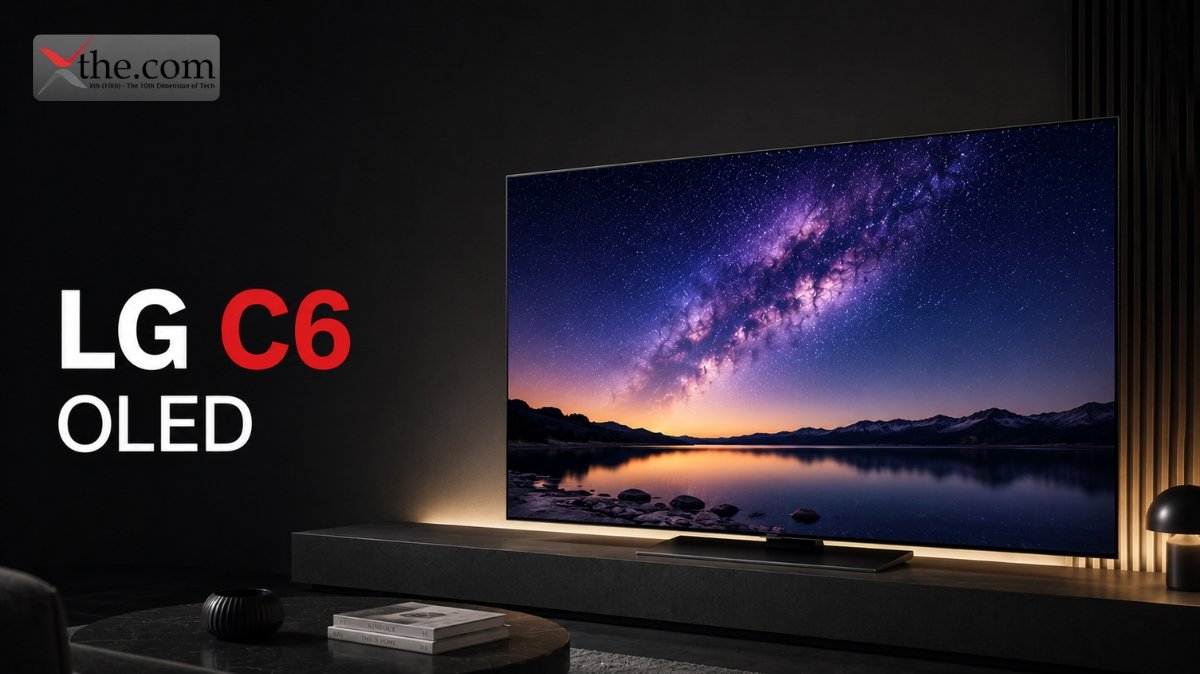
The LG C6 OLED is one of the most recommended gaming TVs of 2026, with four HDMI 2.1 ports, 144Hz refresh rate support, and input lag under 2 milliseconds at 4K120. For anyone buying a TV primarily for gaming, OLED’s combination of response time, black levels for dark game environments, and console integration is the strongest option at its price.
For competitive PC gaming where the priority is the highest possible refresh rate rather than picture quality, a gaming monitor typically outperforms any TV. But for console gaming at TV sizes, OLED is the category winner.
Winner: OLED — for both casual and competitive gaming
Burn-In — The Real Story in 2026
Burn-in is the most common concern people bring to OLED buying decisions, and it has been the most misrepresented issue in this category for years.
Burn-in on an OLED TV occurs when the same static image is displayed at high brightness for thousands of hours — the organic compounds in those specific pixels degrade faster than the surrounding ones, leaving a faint permanent ghost of the image. This is a real phenomenon and it did affect early OLED TVs more significantly.
In 2026, it is not a practical concern for the way most people watch television. Consumer Reports testing and real-world usage data from years of OLED ownership consistently shows that burn-in from typical TV viewing — movies, streaming, broadcast TV, and even regular gaming — is extremely rare. The content people watch is varied enough that no static element remains on screen long enough to cause damage.
The situations where burn-in remains a genuine risk are specific: watching the same news channel with a permanent ticker for eight or more hours daily, using the TV as a computer monitor with a static taskbar visible for years, or playing the same video game with a persistent HUD element for thousands of hours without changing content.
If your use case is anything other than those three specific scenarios, burn-in is not a practical concern with a 2026 OLED TV. Every major OLED manufacturer — LG, Samsung, Sony — includes pixel refreshing cycles and brightness management features that further reduce the already-low risk.
QLED has no burn-in risk at all. For the specific buyer who watches news channels continuously as background TV for twelve-plus hours daily, QLED is the safer technology. For everyone else, burn-in is not a reason to avoid OLED.
Price Reality in 2026
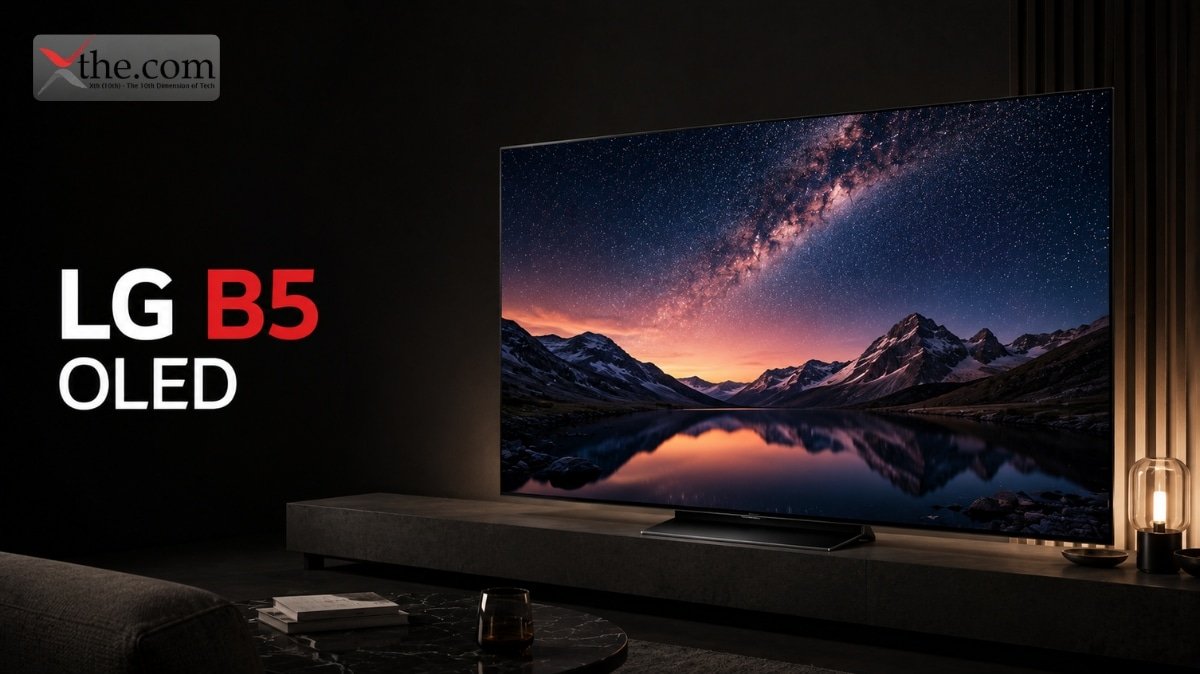
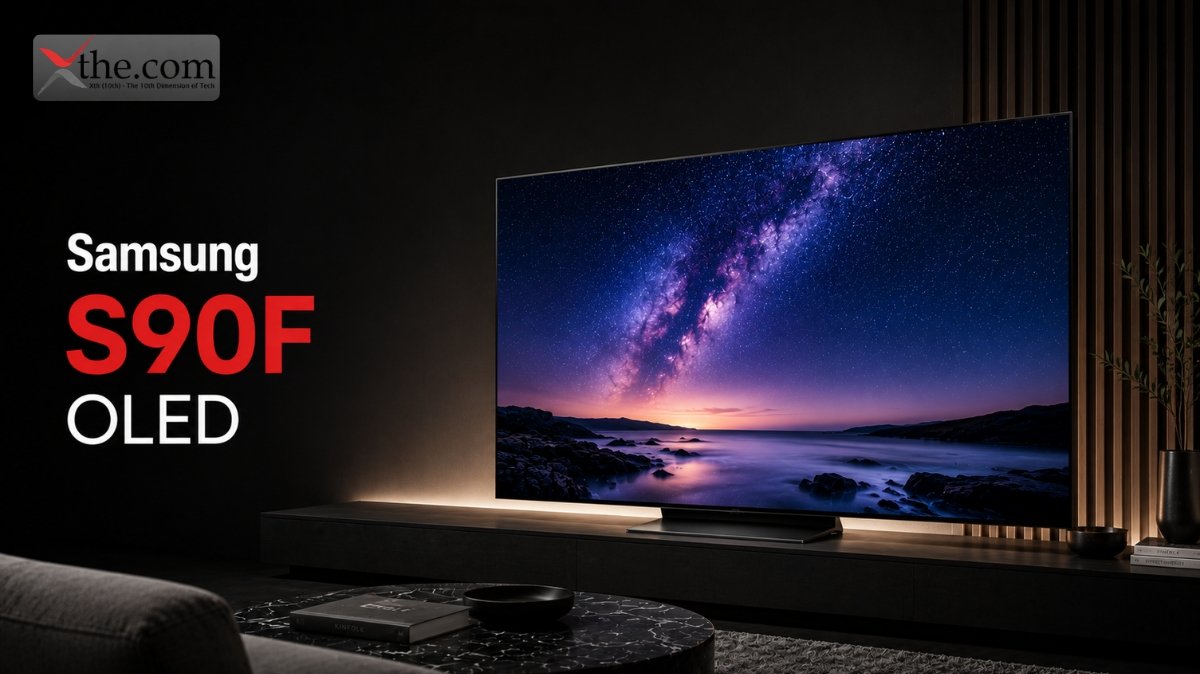
OLED prices have dropped significantly over the past three years. The LG B5 — LG’s entry-level OLED — is currently available at $649 for the 48-inch at Best Buy. The Samsung S90F 65-inch OLED is available at $1,097 at Amazon. A quality OLED TV is no longer exclusively a premium-tier purchase.
Here is what your budget actually gets in 2026:
Under $800: Entry-level OLED territory starts here. The LG B5 at $649 for 48-inch is the most accessible OLED from a major manufacturer. At this price, you get OLED’s black levels and contrast at a smaller screen size with fewer processing and smart TV features than the higher-tier models.
$800–$1,500: The most competitive range in 2026. Both quality Neo QLED and mid-range OLED compete here. The Samsung S90F OLED, LG C6 OLED, and TCL QM7K Neo QLED all sit in this range. This is where most US buyers making a considered TV purchase end up.
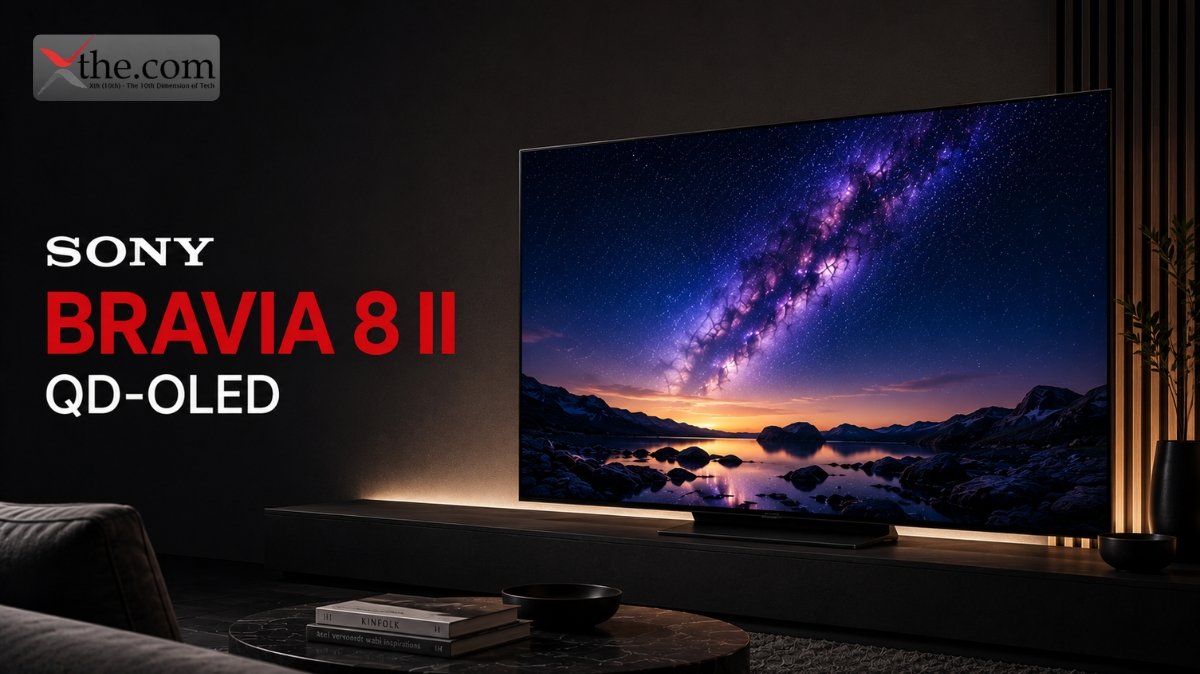
$1,500–$2,500: Premium OLED and flagship Neo QLED. The LG G6 OLED at $2,499 for 65-inch, Samsung S95H QD-OLED at $2,200 for 65-inch, and Sony Bravia 8 II QD-OLED at $2,698 for 65-inch all sit here. At this price, you are getting the best picture quality currently available in consumer televisions.
Above $2,500: Flagship territory for buyers where budget is not the constraint. The LG G6 at larger sizes, Sony’s top-tier QD-OLED, and Samsung’s S95H series. The performance gains over the $1,500–$2,500 range are real but incremental.
QLED and Neo QLED maintain a price advantage per inch at the largest sizes. An 85-inch Neo QLED costs significantly less than an 85-inch OLED, and QLED is available in sizes up to 98 inches where OLED currently stops around 97 inches. For buyers who prioritize size over picture perfection, QLED is the more cost-effective choice at the upper end.
Which TV Should I Buy for My Situation
I watch movies in a dark or dim room. OLED. The perfect blacks and infinite contrast make dark-room cinema viewing the strongest argument for OLED technology. The LG C6 at $1,399 starting or Samsung S90F at $1,097 deliver that experience at accessible prices. If budget allows and you want the best, the Samsung S95H QD-OLED at $2,200 adds meaningfully more brightness to OLED’s contrast performance.
I watch sports and daytime TV with the lights on and curtains open. Neo QLED. The brightness advantage at 2,000 to 4,000 nits makes a visible difference in a bright room, and sports content — with its fast motion and high-contrast action — benefits from Neo QLED’s sustained brightness across large bright areas of the screen. Samsung’s QN90F Neo QLED or TCL’s QM7K both perform well for this use case.
I game on PS5 or Xbox Series X. OLED — specifically the LG C6. Four HDMI 2.1 ports, 144Hz refresh rate, 0.1ms response time, and Dolby Vision Gaming support make it the most capable gaming TV at its price. The dark environments in most games look dramatically better on OLED than on any QLED.
I want the biggest screen my budget allows. QLED or Neo QLED. At 75 inches and above, Neo QLED offers more screen per dollar than OLED. TCL’s QM8K and Samsung’s QN90F both deliver strong performance at larger sizes without the premium OLED charges for bigger panels.
I have a $1,000 budget for a 65-inch TV. The Samsung S90F OLED at $1,097 for 65 inches is the answer — it brings OLED picture quality to a price that was QLED territory a year ago. Alternatively, the TCL QM7K Neo QLED at around $800 for 65 inches is the strongest picture quality available under $1,000 without OLED.
I want the best TV available, budget is not the constraint. Samsung S95H QD-OLED at $2,200 for 65-inch. RTINGS named it the best TV tested in 2026. QD-OLED’s combination of OLED black levels and higher brightness than standard OLED — up to 2,500 nits peak — produces the most complete picture performance currently available in a consumer TV.
The Best OLED TVs to Buy Right Now
LG B5 OLED — $649 (48″) | Entry-level OLED, best value introduction to the technology. Supports Dolby Vision, has HDMI 2.1 on select ports. The most accessible OLED from a tier-one manufacturer.
Samsung S90F OLED — $1,097 (65″) | The value pick in the OLED category. Samsung’s NQ4 AI processor and 144Hz panel at a price that makes 65-inch OLED accessible to more buyers than ever.
LG C6 OLED — $1,399+ | The most recommended TV for gaming in 2026. Four HDMI 2.1 ports, 144Hz, excellent gaming mode. The C series is the standard recommendation for buyers who want a premium all-purpose OLED.
Samsung S95H QD-OLED — $2,200 (65″) | The best TV RTINGS has tested in 2026. QD-OLED panel reaches higher brightness than standard OLED while keeping OLED’s perfect blacks. For buyers who want the best picture available.
Sony Bravia 8 II QD-OLED — $2,698 (65″) | Sony’s image processing adds a layer of real-time content optimization that makes it the preferred choice for buyers who care about how the TV handles film grain, skin tones, and natural-looking motion. Premium over the Samsung at the same panel type.
The Best QLED TVs to Buy Right Now
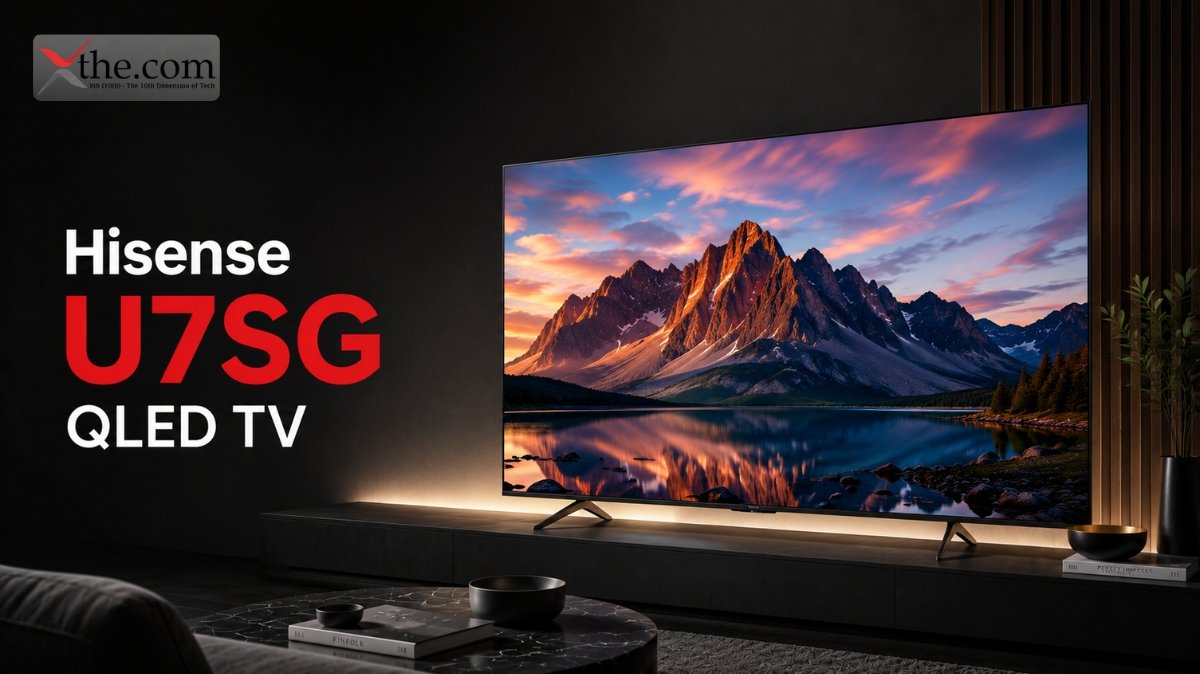
Hisense U7SG — ~$800 (65″) | The best value TV in the entire market according to several 2026 reviews. Strong Mini-LED backlight, excellent brightness for a living room setup, and Dolby Vision support. The answer if you want the most TV for your money without OLED pricing.
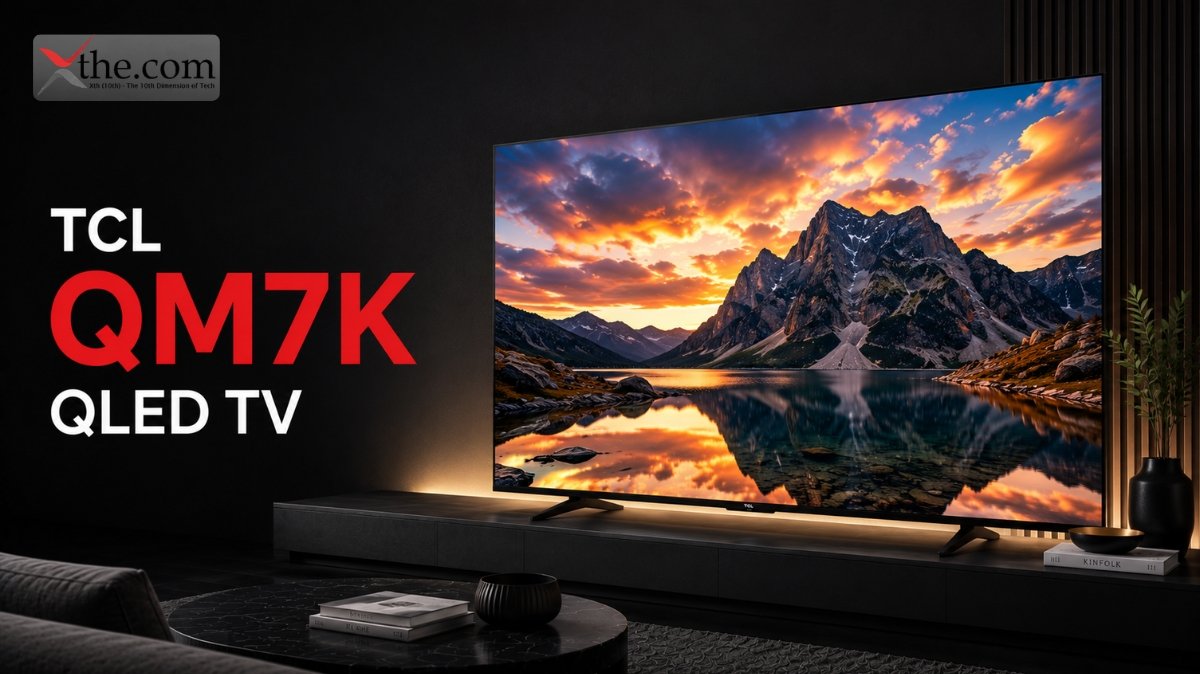
TCL QM7K — ~$900 (65″) | Consistently strong in RTINGS rankings for Neo QLED performance at accessible pricing. Good local dimming, solid HDR performance, and a capable smart TV platform.
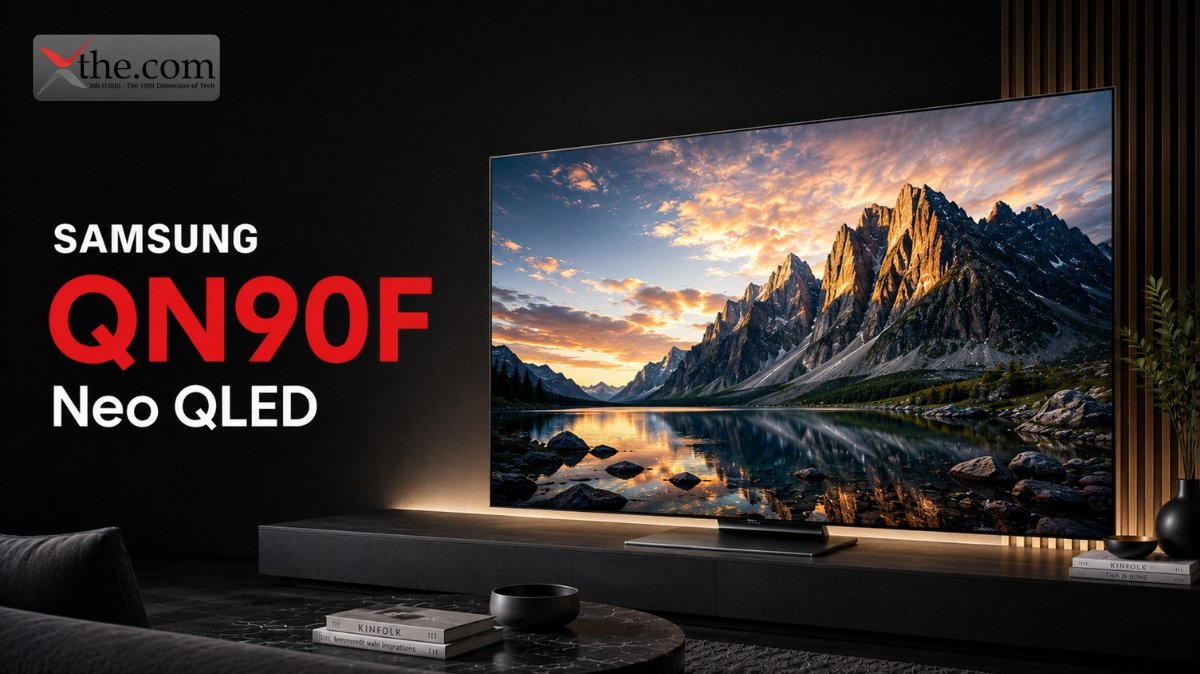
Samsung QN90F Neo QLED — ~$1,200 (65″) | Samsung’s flagship Neo QLED for 2026. The brightness ceiling — up to 4,000 nits on small areas — is the highest on this list. The right choice for a very bright living room where QLED’s brightness advantage matters most.
Frequently Asked Questions
1. Is OLED better than QLED for watching TV in a bright room?
No. QLED — specifically Neo QLED — is better for bright room viewing because of its higher peak brightness, which can reach 2,000 to 4,000 nits compared to OLED’s 800 to 1,500 nits. In a room with direct sunlight through windows or overhead lighting on during the day, Neo QLED holds up better. OLED’s advantages — perfect blacks and contrast — are most visible in darker viewing conditions where its backlight-free design makes a difference.
2. Will an OLED TV get burn-in?
With typical mixed-content viewing — streaming, cable, movies, gaming varied content — burn-in is not a practical concern on 2026 OLED TVs. Real-world data from years of OLED ownership shows burn-in occurring primarily in extreme use cases: static news tickers running for eight-plus hours daily, PC monitor use with permanent taskbars, or repetitive gaming with the same HUD for thousands of hours. If your viewing is varied, modern OLED TVs include pixel maintenance cycles that further reduce the already-low risk.
3. What is QD-OLED and is it worth the extra cost?
QD-OLED combines OLED’s self-emitting pixels with quantum dot material that produces more accurate colors and significantly higher brightness than standard OLED. The Samsung S95H QD-OLED reaches around 2,500 nits peak compared to standard OLED’s 800 to 1,500 nits. For buyers who want OLED quality in a bright living room where standard OLED sometimes struggles, QD-OLED closes that gap. Whether the premium over standard OLED is worth it depends on your room — in a dim room, the difference is minimal. In a moderately bright room, the extra brightness is genuinely useful.
4. Is a $2,000 OLED TV significantly better than a $1,000 OLED TV?
Yes, but the differences are more nuanced than the price gap suggests. At $1,000, the Samsung S90F gives you OLED black levels, 144Hz refresh rate, and solid gaming performance. At $2,000, the LG G6 or Samsung S95H give you higher peak brightness, better color volume, more processing power, and more complete feature sets. The step up is real — it is not twice as good for twice the price, but for buyers who keep TVs for seven to ten years, the premium-tier OLED holds up better as content and broadcast standards evolve.
5. How long do OLED TVs last compared to QLED?
Both technologies are rated for 30,000 to 100,000 hours of use at half brightness. At five hours of daily viewing, 30,000 hours is 16 years. Real-world longevity data shows both technologies outlasting most buyers’ desire to upgrade. QLED has no organic compounds and therefore no theoretical organic decay mechanism, giving it a slight theoretical longevity edge. In practice, neither technology fails before most buyers replace it for other reasons.
6. Which is better for 4K HDR content — OLED or QLED?
For HDR in a dark room, OLED delivers the most impactful experience because the contrast between the brightest highlights and the darkest shadows is maximized by the perfect blacks. For HDR in a bright room, Neo QLED’s higher sustained brightness makes HDR highlights more visible against the room’s ambient light. QD-OLED handles both cases better than either standard technology alone. The best HDR experience available on consumer hardware in 2026 is on the Samsung S95H QD-OLED.
The Bottom Line
OLED and QLED both produce excellent picture quality in 2026. The choice between them is not about which technology is better — it is about which technology is better for your room, your habits, and your budget.
The LG C6 or Samsung S90F is the answer for most buyers who want the best picture quality their money can buy and watch TV in a reasonably controlled lighting environment. Both bring OLED to prices that have no historical precedent.
The Samsung QN90F Neo QLED is the answer for bright living rooms, sports viewing, and buyers who want large screens at prices that OLED cannot match per inch.
The Samsung S95H QD-OLED is the answer for buyers who want the best of both — OLED’s contrast and QD-OLED’s brightness — and have the budget for it.
If you have been holding off on buying a new TV waiting for the technology to mature or the prices to drop, 2026 is the year where that wait has paid off. OLED has never been this accessible, and Neo QLED has never been this good. The decision is now less about technology and more about your room.